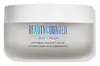
This barrier-repair moisturizer is formulated around Ceramide NP and Sodium Hyaluronate to strengthen the skin barrier and hydrate skin.
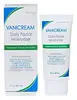
This barrier-repair moisturizer is formulated around Squalane and Hyaluronic Acid to strengthen the skin barrier and hydrate skin.

What's inside
What's inside
 Key Ingredients
Benefits
Concerns
Ingredients Side-by-side
Water
Skin ConditioningIsononyl Isononanoate
EmollientCoconut Alkanes
Emollient


Pentylene Glycol
Skin Conditioning
Propanediol
Solvent
C12-16 Alcohols
EmollientArginine
Masking
Ceramide NP
Skin Conditioning



Sodium Hyaluronate
Humectant
Sodium Acetylated Hyaluronate
Humectant
Helianthus Annuus Extract
Emollient
Biosaccharide Gum-1
Humectant
Palmitic Acid
Emollient


Ricinus Communis Seed Oil
Masking

Hydrogenated Lecithin
Emulsifying
Carbomer
Emulsion StabilisingCoco-Caprylate/Caprate
Emollient
Batyl Alcohol
EmollientPhytic Acid


Tocopherol
Antioxidant


Lavandula Hybrida Oil
Emollient
Citrus Nobilis Peel Oil
Masking
Abies Balsamea Extract
Perfuming
Viola Odorata Leaf Extract
Masking3-Hexenol
Masking
Dimethylheptenal
Perfuming
Potassium Sorbate
Preservative
Phenoxyethanol
Preservative
Limonene
Perfuming

Linalool
Perfuming
Water, Isononyl Isononanoate, Coconut Alkanes, Pentylene Glycol, Propanediol, C12-16 Alcohols, Arginine, Ceramide NP, Sodium Hyaluronate, Sodium Acetylated Hyaluronate, Helianthus Annuus Extract, Biosaccharide Gum-1, Palmitic Acid, Ricinus Communis Seed Oil, Hydrogenated Lecithin, Carbomer, Coco-Caprylate/Caprate, Batyl Alcohol, Phytic Acid, Tocopherol, Lavandula Hybrida Oil, Citrus Nobilis Peel Oil, Abies Balsamea Extract, Viola Odorata Leaf Extract, 3-Hexenol, Dimethylheptenal, Potassium Sorbate, Phenoxyethanol, Limonene, Linalool
Water
Skin ConditioningSqualane
Emollient
Glycerin
Humectant
Pentylene Glycol
Skin Conditioning
Polyglyceryl-2 Stearate
Emulsifying
Glyceryl Stearate
Emollient
Stearyl Alcohol
Emollient
Hyaluronic Acid
Humectant
Ceramide EOP
Skin Conditioning
Ceramide Ng
Skin Conditioning
Ceramide NP
Skin Conditioning
Ceramide As
Skin Conditioning
Ceramide AP
Skin Conditioning
Carnosine
Skin Conditioning
Hydrogenated Lecithin
Emulsifying
Phytosterols
Skin Conditioning
Caprylyl Glycol
Emollient
Polyacrylate Crosspolymer-11
Emulsion Stabilising1,2-Hexanediol
Skin Conditioning
Reviews
Ingredients Explained
These ingredients are found in both products.
Ingredients higher up in an ingredient list are typically present in a larger amount.
Ceramide NP (formerly known as Ceramide 3) is one of the skin's naturally occurring lipids.
Since ceramides are the major lipid components of the skin, they are crucial for maintaining skin barrier and hydration. Ceramide NP most closely mirrors the dominant kind in human skin amongst ceramide subtypes.
This ceramide works by slotting into gaps within the stratum corneum's lipid matrix to limit trans-epidermal water loss (TEWL) and shield the skin against external irritants.
A study with 312 patients found that using a ceramide-containing routine for 4 weeks reduced the severity of atopic dermatitis by over 61%.
Another clinical study in subjects aged 60 and older found that a ceramide body wash and moisturizer improved skin dryness and itchy skin in 15 days.
Overall, ceramides are considered non-irritating and safety tests have found little to no observable adverse effects from using this ingredient.
Ceramide NP is usually sourced from plants (like soybean or rice bran), or produced synthetically.
Learn more about Ceramide NPHydrogenated Lecithin is a more stable version of lecithin.
It's made by taking lecithin (a phospholipid commonly found in soybeans and egg yolks) and hydrogenating it. This just means the unsaturated fatty acids are turned into saturated ones so they don't go bad as easily.
This ingredient is an emollient, emulsifier, and penetration enhancer. As an emollient, it helps soften and hydrate skin by trapping moisture within. As an emulsifier, it prevents oil and water ingredients from separating.
Hydrogenated Lecithin can form tiny spherical structures made of phospholipid bilayers called liposomes. These liposomes are able to capture compounds inside their structure and deliver them through the skin barrier.
Because phospholipids are a natural component of our cell membranes, this ingredient is inherently compatible with skin.
A 2021 study found lecithin-based surfactants were less harsh and more tolerable comared to Sodium Lauryl Sulfate (SLS).
Learn more about Hydrogenated LecithinPentylene Glycol (1,2-pentanediol) is a multitasking little diol with three main roles in a formula:
Research on alkanediols (the family pentylene glycol belongs to) show they work by disrupting microbial cell membranes. This disruption helps the primary preservative system in a product work more effectively at lower doses.
On the safety side, the Cosmetic Ingredient Review Expert Panel has concluded this ingredient to be safe as used in current cosmetic practices + concentrations.
Typical use levels in a formula run about 1-5%.
Learn more about Pentylene GlycolWater. It's the most common cosmetic ingredient of all. You'll usually see it at the top of ingredient lists, meaning that it makes up the largest part of the product.
So why is it so popular? Water most often acts as a solvent - this means that it helps dissolve other ingredients into the formulation.
You'll also recognize water as that liquid we all need to stay alive. If you see this, drink a glass of water. Remember to stay hydrated!
Learn more about Water

