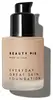
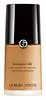
Beauty Pie Everyday Great Skin Foundation Versus Armani Beauty Luminous Silk Perfect Glow Flawless Foundation


What's inside
What's inside
 Key Ingredients
Benefits
Concerns
Ingredients Side-by-side
Water
Skin ConditioningCyclopentasiloxane
Emollient
Dimethicone
Emollient
Alcohol
Antimicrobial




Ethylene/Acrylic Acid Copolymer
Emulsion StabilisingPEG-4
HumectantHdi/Trimethylol Hexyllactone Crosspolymer
Polysorbate 20
Emulsifying
PEG-10 Dimethicone
Skin Conditioning
Isononyl Isononanoate
EmollientDisteardimonium Hectorite
StabilisingTrimethylsiloxysilicate
Emollient
Caprylyl Dimethicone Ethoxy Glucoside
Emulsifying
Dimethicone/Vinyl Dimethicone Crosspolymer
Skin Conditioning
Myristyl Lactate
Emollient

Phenoxyethanol
Preservative
Sodium Chloride
MaskingBenzyl Alcohol
Perfuming


Synthetic Fluorphlogopite
Sodium Dehydroacetate
Preservative
Aluminum Hydroxide
EmollientTocopheryl Acetate
Antioxidant


Cetyl Dimethicone
Emollient
Silica
Abrasive


Stearoyl Inulin
EmollientDisodium EDTA
ChelatingSodium Lauroyl Glutamate
SurfactantLysine
Skin ConditioningTriethoxycaprylylsilane
Titanium Dioxide
Cosmetic Colorant

CI 77491
Cosmetic ColorantCI 77492
Cosmetic ColorantCI 77499
Cosmetic ColorantWater, Cyclopentasiloxane, Dimethicone, Alcohol, Ethylene/Acrylic Acid Copolymer, PEG-4, Hdi/Trimethylol Hexyllactone Crosspolymer, Polysorbate 20, PEG-10 Dimethicone, Isononyl Isononanoate, Disteardimonium Hectorite, Trimethylsiloxysilicate, Caprylyl Dimethicone Ethoxy Glucoside, Dimethicone/Vinyl Dimethicone Crosspolymer, Myristyl Lactate, Phenoxyethanol, Sodium Chloride, Benzyl Alcohol, Synthetic Fluorphlogopite, Sodium Dehydroacetate, Aluminum Hydroxide, Tocopheryl Acetate, Cetyl Dimethicone, Silica, Stearoyl Inulin, Disodium EDTA, Sodium Lauroyl Glutamate, Lysine, Triethoxycaprylylsilane, Titanium Dioxide, CI 77491, CI 77492, CI 77499
Water
Skin ConditioningCyclopentasiloxane
Emollient
Glycerin
Humectant

Isododecane
EmollientAlcohol Denat.
Antimicrobial
Polyglyceryl-4 Isostearate
Emulsifying
Cetyl PEG/PPG-10/1 Dimethicone
Emulsifying
Hexyl Laurate
Emollient
Aluminum Starch Octenylsuccinate
Absorbent
Disteardimonium Hectorite
StabilisingPhenoxyethanol
Preservative
Acetylated Glycol Stearate
Emollient
Magnesium Sulfate
PEG-10 Dimethicone
Skin Conditioning
Trihydroxystearin
Skin Conditioning
Cellulose Gum
Emulsion StabilisingNylon-12
Limonene
Perfuming
Benzyl Salicylate
Perfuming
Benzyl Alcohol
Perfuming
Linalool
Perfuming
Pentaerythrityl Tetra-Di-T-Butyl Hydroxyhydrocinnamate
Antioxidant
Isobutane
Diphenyl Dimethicone
Emollient
Acrylonitrile/Methyl Methacrylate/Vinylidene Chloride Copolymer
Parfum
Masking
Disodium Stearoyl Glutamate
CleansingMethylparaben
Preservative
Butylphenyl Methylpropional
Perfuming
Aluminum Hydroxide
EmollientHexyl Cinnamal
Perfuming
Water, Cyclopentasiloxane, Glycerin, Isododecane, Alcohol Denat., Polyglyceryl-4 Isostearate, Cetyl PEG/PPG-10/1 Dimethicone, Hexyl Laurate, Aluminum Starch Octenylsuccinate, Disteardimonium Hectorite, Phenoxyethanol, Acetylated Glycol Stearate, Magnesium Sulfate, PEG-10 Dimethicone, Trihydroxystearin, Cellulose Gum, Nylon-12, Limonene, Benzyl Salicylate, Benzyl Alcohol, Linalool, Pentaerythrityl Tetra-Di-T-Butyl Hydroxyhydrocinnamate, Isobutane, Diphenyl Dimethicone, Acrylonitrile/Methyl Methacrylate/Vinylidene Chloride Copolymer, Parfum, Disodium Stearoyl Glutamate, Methylparaben, Butylphenyl Methylpropional, Aluminum Hydroxide, Hexyl Cinnamal
Reviews
Ingredients Explained
These ingredients are found in both products.
Ingredients higher up in an ingredient list are typically present in a larger amount.
Aluminum Hydroxide is a form of aluminum. It can be naturally found in nature as the mineral gibbsite. In cosmetics, Aluminum Hydroxide is used as a colorant, pH adjuster, and absorbent.
As a colorant, Aluminum Hydroxide may add opacity, or reduce the transparency. Aluminum hydroxide is contains both basic and acidic properties.
According to manufacturers, this ingredient is an emollient and humectant. This means it helps hydrate the skin.
In medicine, this ingredient is used to help relieve heartburn and help heal ulcers.
There is currently no credible scientific evidence linking aluminum hydroxide in cosmetics to increased cancer risk.
Major health organizations allow the use of aluminum hydroxide in personal care products and have not flagged it as a carcinogenic risk at typical usage levels.
Learn more about Aluminum HydroxideBenzyl Alcohol is an aromatic alcohol with several roles: it's a preservative, solvent, and mild fragrance component with a floral scent.
This ingredient has been deemed safe for use in cosmetic formulations at concentrations up to 5%, and up to 10% in hair dyes. You'll typically see 0.5-2% in most rinse-off or leave-on products.
As a preservative, it works by disrupting the membrane of microbial proteins. This helps keep bacteria and fungi from growing in your products.
The sensitization picture is actually quite assuring as well:of nearly 71,000 patients patch tested with benzyl alcohol, only 0.21% showed a positive reaction with most of them being weakly positive.
This led researchers to conclude that benzyl alcohol cannot be regarded as a significant contact allergen.
It is worth noting this ingredient is classified as one of the EU's regulated fragrance allergens and restricted to 1% in finished products.
Labels must also declare it in concentrations above 0.001% in leave-on products and 0.01% in rinse-off products.
At concentrations around 5%, localized redness and itching can appear as a direct irritant response and not as a true allergic reaction.
Learn more about Benzyl AlcoholCyclopentasiloxane (D5) is a lightweight silicone that mostly acts as an emollient and solvent in cosmetics. Its the reason your products feel silky, fast-spreading, and non-greasy.
Since D5 is volatile, it does its thing and then evaporates off the skin quickly.
The safety profile of this ingredient is reassuring; the US CIR Expert Panel concluded D5 is safe as used in cosmetics and Health Canada concluded that D5 is not harmful to human health or the environment as currently used in cosmetics
There's a study that people mention about D5 in a rat study showing tumors. This study is related to long-term inhalation of high D5 levels.
Regulatory bodies have judged this study to be not applicable in topical skincare since skin absorption of D5 is very low and we're not really inhaling huge amounts of D5.
The only restriction for this ingredient is environmental. The European Chemicals Agency (ECHA) restricted D5 in wash-off cosmetics at or above 0.1% due to their persistence in water.
Learn more about CyclopentasiloxaneDisteardimonium Hectorite comes from the clay mineral named hectorite. It is used to add thickness to a product.
It can also help stabilize a product by helping to disperse other ingredients.
Hectorite is a rare, white clay mineral.
Learn more about Disteardimonium HectoritePeg-10 Dimethicone is silicone with conditioner and emulsifier properties. It mostly acts as an emollient in skincare and and humectant in haircare.
According to the manufacturer, acidic formulations decrease the stability of this ingredient. It works best in neutral or near neutral formulations.
Phenoxyethanol is one of the most widely used preservatives in skincare (and for good reason!).
It has a large spectrum of antimicrobial activity and especially effective bacteria, yeast, and mold while only having a weak effect on your skin's natural microbiome.
On a cellular level, it disrupts the cell membranes of microbes by poking holes that make the cell leak. This shuts down the chemical reactions the microbe needs to make energy so it can no longer survive.
Another perk of this ingredient is that it stays functional across a wide pH range (3-10).
You'll often see it paired with boosters like Ethylhexylglycerin; one study showed that a 1:9 ratio of Ethylhexylglycerin to Phenoxyethanol damages bacterial membranes as effectively as doubling the Phenoxyethanol concentration on its own.
Typical use concentrations range from 0.3-1% depending on the formula, and this ingredient is capped at 1% int the EU.
Safety-wise, the fear mongering does not hold up to the evidence. The EU's Scientific Committee on Consumer Safety and FDA consider it safe as a preservative at up to 1%, including for children of all ages.
Adverse systemic effects only showed up in animal studies at exposures roughly 200x higher than what people get from cosmetics. And despite its very widespread use, this ingredient is a rare sensitizer and allergic reactions are uncommon.
Learn more about PhenoxyethanolWater. It's the most common cosmetic ingredient of all. You'll usually see it at the top of ingredient lists, meaning that it makes up the largest part of the product.
So why is it so popular? Water most often acts as a solvent - this means that it helps dissolve other ingredients into the formulation.
You'll also recognize water as that liquid we all need to stay alive. If you see this, drink a glass of water. Remember to stay hydrated!
Learn more about Water

