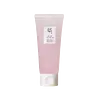
This calming moisturizer is formulated around Panthenol and Allantoin to calm redness and hydrate skin.
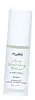
This calming serum is formulated around Camellia Sinensis Leaf Extract and Artemisia Vulgaris Extract to calm redness.


What's inside
What's inside
 Key Ingredients
Benefits
Concerns
No concerns
Ingredients Side-by-side
Water
Skin ConditioningButylene Glycol
Humectant

Glycerin
Humectant
1,2-Hexanediol
Skin Conditioning
Methyl Trimethicone
Skin Conditioning
Phaseolus Angularis Seed Extract
Antioxidant
Acrylates/C10-30 Alkyl Acrylate Crosspolymer
Emulsion StabilisingTromethamine
BufferingGlyceryl Glucoside
Humectant
C12-14 Alketh-12
EmulsifyingMaltodextrin
Absorbent
Ammonium Acryloyldimethyltaurate/Vp Copolymer
Dimethicone/Vinyl Dimethicone Crosspolymer
Skin Conditioning
Dimethicone Crosspolymer
Emulsion Stabilising
Ethylhexylglycerin
Skin ConditioningBetaine
Humectant
Panthenol
Skin Conditioning
Allantoin
Skin Conditioning
Dipotassium Glycyrrhizate
Humectant
Polyquaternium-51
Skin Conditioning
Xanthan Gum
EmulsifyingDisodium EDTA
Glyceryl Acrylate/Acrylic Acid Copolymer
HumectantDioscorea Japonica Root Extract
Skin Conditioning
Glucose
Humectant
Sodium Citrate
BufferingBeta-Glucan
Skin Conditioning
Hydrolyzed Corn Starch
HumectantCitric Acid
Buffering


Sucrose
Humectant
Magnesium Ascorbyl Phosphate
Antioxidant



Caprylyl Glycol
Emollient
Helianthus Annuus Seed Oil
Emollient

Tocopherol
Antioxidant

Cyanocobalamin
Skin ConditioningGlycine
Buffering
Serine
Masking
Glutamic Acid
Humectant
Aspartic Acid
Masking
Leucine
Skin ConditioningAcetyl Hexapeptide-8
Humectant
Alanine
Masking
Lysine
Skin ConditioningArginine
Masking
Tyrosine
MaskingPhenylalanine
Masking
Proline
Skin Conditioning
Threonine
Valine
MaskingIsoleucine
Skin ConditioningHistidine
Humectant
Cysteine
Antioxidant
Methionine
Skin ConditioningPhosphoric Acid
BufferingAscorbic Acid
Antioxidant
Sh-Oligopeptide-1
Skin Conditioning
Sh-Oligopeptide-2
Skin Conditioning
Sh-Polypeptide-1
Skin Conditioning
Water, Butylene Glycol, Glycerin, 1,2-Hexanediol, Methyl Trimethicone, Phaseolus Angularis Seed Extract, Acrylates/C10-30 Alkyl Acrylate Crosspolymer, Tromethamine, Glyceryl Glucoside, C12-14 Alketh-12, Maltodextrin, Ammonium Acryloyldimethyltaurate/Vp Copolymer, Dimethicone/Vinyl Dimethicone Crosspolymer, Dimethicone Crosspolymer, Ethylhexylglycerin, Betaine, Panthenol, Allantoin, Dipotassium Glycyrrhizate, Polyquaternium-51, Xanthan Gum, Disodium EDTA, Glyceryl Acrylate/Acrylic Acid Copolymer, Dioscorea Japonica Root Extract, Glucose, Sodium Citrate, Beta-Glucan, Hydrolyzed Corn Starch, Citric Acid, Sucrose, Magnesium Ascorbyl Phosphate, Caprylyl Glycol, Helianthus Annuus Seed Oil, Tocopherol, Cyanocobalamin, Glycine, Serine, Glutamic Acid, Aspartic Acid, Leucine, Acetyl Hexapeptide-8, Alanine, Lysine, Arginine, Tyrosine, Phenylalanine, Proline, Threonine, Valine, Isoleucine, Histidine, Cysteine, Methionine, Phosphoric Acid, Ascorbic Acid, Sh-Oligopeptide-1, Sh-Oligopeptide-2, Sh-Polypeptide-1
Water
Skin ConditioningNelumbo Nucifera Leaf Extract
Skin ConditioningCamellia Sinensis Leaf Extract
Antimicrobial
Psidium Guajava Leaf Extract
AstringentAngelica Gigas Extract
Skin ConditioningArtemisia Vulgaris Extract
Skin Conditioning
Panthenol
Skin Conditioning
Saccharide Isomerate
Humectant
Allantoin
Skin Conditioning
Sodium Carbomer
Emulsion StabilisingHydroxyacetophenone
Antioxidant
Caprylyl Glycol
Emollient
Dipropylene Glycol
HumectantDipotassium Glycyrrhizate
Humectant
Reviews
Ingredients Explained
These ingredients are found in both products.
Ingredients higher up in an ingredient list are typically present in a larger amount.
Allantoin is a soothing ingredient known for its protective and moisturizing properties; it's basically a quiet workhorse ingredient you can find in a huge range of cosmetics.
Though it can be derived from the comfrey plant, allantoin is produced synthetically for cosmetic products to ensure purity.
Research shows it can encourage your skin cells to turn over and renew by stimulating keratinocyte and fibroblast proliferation.
It also has mild keratolytic properties to help loosen and shed dead skin cells without being harsh.
Studies also suggest allantoin can help calm inflammation by dialing down some of the chemical signals your skin sends out when it is irritated.
This ingredient is typically used in the 0.1-0.5% range, and the FDA recognizes it as a skin protectant in OTC products up to 2%.
Overall, allantoin is a wonderful addition to most routines; it is stable across a wide pH range (~4-8), works well with other ingredients, and is considered non-sensitizing/non-irritating.
Fun fact: Allantoin is naturally occurring in comfrey root, beets, chamomile, and wheat sprouts. Our bodies even produce it as a byproduct of uric acid metabolism.
Learn more about AllantoinCaprylyl Glycol is a humectant, skin conditioner, emollient, and preservative booster derived from either caprylic acid or synthetically created.
Typical use levels vary from 0.3-1% as a preservative booster and go up to 2% to condition skin.
Because it is not a free-fatty acid, this ingredient is fungal acne safe (there's nothing for Malassezia to feed on).
Learn more about Caprylyl GlycolDipotassium Glycyrrhizate comes from licorice root.
Extracts of licorice have demonstrated to have antibacterial, anti‐inflammatory, antiviral, antioxidant properties.
One component, glabridin, has extra potent antioxidant and soothing properties. It has also been found to block pigmentation from UVB rays in guinea pigs.
Licorice Root also contains a flavonoid. Flavonoids are a natural substance from in plants. Flavonoids also have antioxidant properties.
Another component, glycyrrhizin, has been found to have anti-inflammatory and antimicrobial benefits. This may make licorice root extract effective at treating acne. However, more research is needed to support this.
Liquiritin is one of the flavone compounds found in licorice. It has been found to help lighten skin by preventing tyrosinase from reacting with tyrosine. When the two react, protein is converted to melanin. Melanin is the substance in your body that gives your features pigmentation.
Licorice root is native to Southern Europe and Asia. It has been used in traditional Chinese medicine to help with respiratory issues.
Learn more about Dipotassium GlycyrrhizatePanthenol is a common ingredient that helps hydrate and soothe the skin. It is found naturally in our skin and hair.
There are two forms of panthenol: D and L.
D-panthenol is also known as dexpanthenol. Most cosmetics use dexpanthenol or a mixture of D and L-panthenol.
Panthenol is famous due to its ability to go deeper into the skin's layers. Using this ingredient has numerous pros (and no cons):
Like hyaluronic acid, panthenol is a humectant. Humectants are able to bind and hold large amounts of water to keep skin hydrated.
This ingredient works well for wound healing. It works by increasing tissue in the wound and helps close open wounds.
Once oxidized, panthenol converts to pantothenic acid. Panthothenic acid is found in all living cells.
This ingredient is also referred to as pro-vitamin B5.
Learn more about PanthenolWater. It's the most common cosmetic ingredient of all. You'll usually see it at the top of ingredient lists, meaning that it makes up the largest part of the product.
So why is it so popular? Water most often acts as a solvent - this means that it helps dissolve other ingredients into the formulation.
You'll also recognize water as that liquid we all need to stay alive. If you see this, drink a glass of water. Remember to stay hydrated!
Learn more about Water

