
What's inside
What's inside
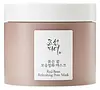 Key Ingredients
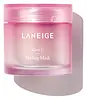
Benefits
Concerns
Ingredients Side-by-side
Water
Skin ConditioningGlycerin
Humectant


Kaolin
Abrasive



Caprylic/Capric Triglyceride
Masking
1,2-Hexanediol
Skin Conditioning
Phaseolus Angularis Seed Powder
Hectorite
AbsorbentCetyl Alcohol
Emollient


Glyceryl Stearate Se
Emulsifying


Cetearyl Olivate
Sorbitan Olivate
Emulsifying
Phaseolus Angularis Seed Extract
Antioxidant
Ultramarines
Pyrus Communis Fruit Extract
Skin ConditioningEthylhexylglycerin
Skin ConditioningSodium Acrylate/Sodium Acryloyldimethyl Taurate Copolymer
Emulsion StabilisingHedera Helix Leaf/Stem Extract
AntimicrobialPolyisobutene
Fragaria Chiloensis Fruit Extract
Skin Conditioning
Pyrus Malus Leaf Extract
Skin ConditioningCI 77491
Cosmetic ColorantCaprylyl/Capryl Glucoside
CleansingSorbitan Oleate
Emulsifying
Triethoxycaprylylsilane

Water, Glycerin, Kaolin, Caprylic/Capric Triglyceride, 1,2-Hexanediol, Phaseolus Angularis Seed Powder, Hectorite, Cetyl Alcohol, Glyceryl Stearate Se, Cetearyl Olivate, Sorbitan Olivate, Phaseolus Angularis Seed Extract, Ultramarines, Pyrus Communis Fruit Extract, Ethylhexylglycerin, Sodium Acrylate/Sodium Acryloyldimethyl Taurate Copolymer, Hedera Helix Leaf/Stem Extract, Polyisobutene, Fragaria Chiloensis Fruit Extract, Pyrus Malus Leaf Extract, CI 77491, Caprylyl/Capryl Glucoside, Sorbitan Oleate, Triethoxycaprylylsilane
Water
Skin ConditioningPropanediol
Solvent
Glycerin
Humectant
Dipropylene Glycol
HumectantGlycereth-26
Humectant
Sodium Polyacrylate
Absorbent
Kaolin
Abrasive
Mannan
Malpighia Emarginata Fruit Extract
Skin ConditioningVaccinium Myrtillus Fruit Extract
Skin ConditioningEuterpe Oleracea Fruit Extract

Yeast Ferment Extract
Skin ConditioningSaccharum Officinarum Extract
MoisturisingAcer Saccharum Extract
Skin ConditioningCitrus Limon Fruit Extract
Masking
Citrus Aurantium Dulcis Fruit Extract
MaskingFragaria Vesca Fruit
AstringentSilica
Abrasive
Xanthan Gum
EmulsifyingLactobacillus/Soybean Ferment Extract
Skin ConditioningTheobroma Cacao Extract
Skin ConditioningDextrin
AbsorbentAmmonium Acryloyldimethyltaurate/Vp Copolymer
Sodium Carbomer
Emulsion StabilisingEthylhexylglycerin
Skin ConditioningSodium Magnesium Silicate
1,2-Hexanediol
Skin Conditioning
Glutathione



PEG-60 Hydrogenated Castor Oil
Emulsifying
Disodium EDTA
ChelatingAroma


Water, Propanediol, Glycerin, Dipropylene Glycol, Glycereth-26, Sodium Polyacrylate, Kaolin, Mannan, Malpighia Emarginata Fruit Extract, Vaccinium Myrtillus Fruit Extract, Euterpe Oleracea Fruit Extract, Yeast Ferment Extract, Saccharum Officinarum Extract, Acer Saccharum Extract, Citrus Limon Fruit Extract, Citrus Aurantium Dulcis Fruit Extract, Fragaria Vesca Fruit, Silica, Xanthan Gum, Lactobacillus/Soybean Ferment Extract, Theobroma Cacao Extract, Dextrin, Ammonium Acryloyldimethyltaurate/Vp Copolymer, Sodium Carbomer, Ethylhexylglycerin, Sodium Magnesium Silicate, 1,2-Hexanediol, Glutathione, PEG-60 Hydrogenated Castor Oil, Disodium EDTA, Aroma
Reviews
Ingredients Explained
These ingredients are found in both products.
Ingredients higher up in an ingredient list are typically present in a larger amount.
1,2-Hexanediol is a synthetic liquid and another multi-functional powerhouse.
It is a:
- Humectant, drawing moisture into the skin
- Emollient, helping to soften skin
- Solvent, dispersing and stabilizing formulas
- Preservative booster, enhancing the antimicrobial activity of other preservatives
Ethylhexylglycerin is created from glycerin. It is a multitasker ingredient that:
The CIR Expert Panel found minimal skin absorption or sensitization of any kind in a safety assessment. Though this ingredient is considered well-tolerated, a small number of cases of allergic dermatitis have been published since 2002. Just be sure to patch test if you are unsure.
Industry-reported use ranges from 8% in rinse-off products and 2% in leave-on formulations.
Learn more about EthylhexylglycerinGlycerin (or glycerol) is a compound naturally found in your skin. It's a powerhouse humectant that pulls water into the stratum corneum.
Topically, glycerin does several things at once:
Your skin makes glycerin on its own (mostly from sebaceous oil breakdown) and shuttles it to your outermost layer of skin, or your epidermis, via aquaporin-3.
Aquaporin-3 is a transporter that is essential for normal skin hydration, elasticity, and repair. Interestingly, mice lacking in AQP3 have dry and less elastic skin that can be fully corrected with glycerin.
This ingredient is non-irritating, plays well with almost every ingredient, and works across all skin types. Typical use is anywhere between 3-10% but can go up to 79% in some leave-on products.
Just know very high concentrations (>40%) can feel tacky in low humidity.
Glycerin is the name for this ingredient in American English. British English uses Glycerol/Glycerine.
Learn more about GlycerinKaolin is a clay. It is used for oil control and to help minimize pores. Like other clays, kaolin has the ability to absorb excess sebum or oil. This can help clean out pores and mattify the skin.
Some types of kaolin may have exfoliating properties. When water is added to kaolin, it becomes a paste with small abrasive particles.
Most kaolin is a white color, but may be pink/orange/red depending on where it comes from.
The name 'kaolin' comes from a Chinese village named 'Gaoling'. Kaolin clay comes from rocks rich in kaolinite. Kaolinite, the mineral, has a silicate layered structure. Kaolinite is formed from chemical weathering of aluminum siilicate minerals.
Besides skincare, kaolin is commonly used to make glossy paper, in ceramics, toothpaste, and as medicine to soothe stomach issues.
Learn more about KaolinWater. It's the most common cosmetic ingredient of all. You'll usually see it at the top of ingredient lists, meaning that it makes up the largest part of the product.
So why is it so popular? Water most often acts as a solvent - this means that it helps dissolve other ingredients into the formulation.
You'll also recognize water as that liquid we all need to stay alive. If you see this, drink a glass of water. Remember to stay hydrated!
Learn more about Water

