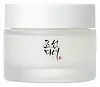
This barrier-repair moisturizer is formulated around Panax Ginseng Root Water and Niacinamide to strengthen the skin barrier.
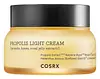
This calming moisturizer is formulated around Propolis Extract and Honey Extract to calm redness and hydrate skin.

What's inside
What's inside
 Key Ingredients
Benefits
Concerns
Ingredients Side-by-side
Water
Skin ConditioningOryza Sativa Bran Water
Masking
Glycerin
Humectant


Panax Ginseng Root Water
Masking

Hydrogenated Polydecene
Emollient1,2-Hexanediol
Skin Conditioning
Niacinamide
Smoothing







Squalane
Emollient
Butylene Glycol
Humectant
Propanediol
Solvent
Propylene Glycol Dicaprylate/Dicaprate
EmollientCetearyl Olivate


Sorbitan Olivate
Emulsifying
Ammonium Acryloyldimethyltaurate/Vp Copolymer
Xanthan Gum
EmulsifyingAcrylates/C10-30 Alkyl Acrylate Crosspolymer
Emulsion StabilisingTromethamine
BufferingCarthamus Tinctorius Seed Oil
Masking
Hydrogenated Coconut Oil
Emollient



Glyceryl Acrylate/Acrylic Acid Copolymer
HumectantEthylhexylglycerin
Skin ConditioningAdenosine
Skin Conditioning
Caprylic/Capric Triglyceride
Masking
Disodium EDTA
ChelatingHyaluronic Acid
Humectant
Hydrolyzed Hyaluronic Acid
Humectant
Sodium Hyaluronate
Humectant
Honey Extract
Humectant
Ceramide NP
Skin Conditioning
Hydrogenated Lecithin
Emulsifying
Coptis Japonica Root Extract
Skin ConditioningRaphanus Sativus Seed Extract
Skin ConditioningLycium Chinense Fruit Extract
Antioxidant
Theobroma Cacao Seed Extract
Antioxidant
Phellinus Linteus Extract
Skin ConditioningDextrin
AbsorbentScutellaria Baicalensis Root Extract
Astringent
Water, Oryza Sativa Bran Water, Glycerin, Panax Ginseng Root Water, Hydrogenated Polydecene, 1,2-Hexanediol, Niacinamide, Squalane, Butylene Glycol, Propanediol, Propylene Glycol Dicaprylate/Dicaprate, Cetearyl Olivate, Sorbitan Olivate, Ammonium Acryloyldimethyltaurate/Vp Copolymer, Xanthan Gum, Acrylates/C10-30 Alkyl Acrylate Crosspolymer, Tromethamine, Carthamus Tinctorius Seed Oil, Hydrogenated Coconut Oil, Glyceryl Acrylate/Acrylic Acid Copolymer, Ethylhexylglycerin, Adenosine, Caprylic/Capric Triglyceride, Disodium EDTA, Hyaluronic Acid, Hydrolyzed Hyaluronic Acid, Sodium Hyaluronate, Honey Extract, Ceramide NP, Hydrogenated Lecithin, Coptis Japonica Root Extract, Raphanus Sativus Seed Extract, Lycium Chinense Fruit Extract, Theobroma Cacao Seed Extract, Phellinus Linteus Extract, Dextrin, Scutellaria Baicalensis Root Extract
Propolis Extract
Skin Conditioning
Butylene Glycol
Humectant
Glycerin
Humectant
Caprylic/Capric Triglyceride
Masking
Helianthus Annuus Seed Oil
Emollient
1,2-Hexanediol
Skin Conditioning
Honey Extract
Humectant
Royal Jelly Extract
Skin Conditioning
Hydroxyethyl Acrylate/Sodium Acryloyldimethyl Taurate Copolymer
Emulsion StabilisingCassia Obtusifolia Seed Extract
Skin ConditioningCetearyl Olivate
Beeswax
Emulsion Stabilising
Cetearyl Alcohol
Emollient
Sorbitan Olivate
Emulsifying
Allantoin
Skin Conditioning
Arginine
Masking
Carbomer
Emulsion StabilisingXanthan Gum
EmulsifyingPropolis Extract, Butylene Glycol, Glycerin, Caprylic/Capric Triglyceride, Helianthus Annuus Seed Oil, 1,2-Hexanediol, Honey Extract, Royal Jelly Extract, Hydroxyethyl Acrylate/Sodium Acryloyldimethyl Taurate Copolymer, Cassia Obtusifolia Seed Extract, Cetearyl Olivate, Beeswax, Cetearyl Alcohol, Sorbitan Olivate, Allantoin, Arginine, Carbomer, Xanthan Gum
Reviews
Ingredients Explained
These ingredients are found in both products.
Ingredients higher up in an ingredient list are typically present in a larger amount.
1,2-Hexanediol is a synthetic liquid and another multi-functional powerhouse.
It is a:
- Humectant, drawing moisture into the skin
- Emollient, helping to soften skin
- Solvent, dispersing and stabilizing formulas
- Preservative booster, enhancing the antimicrobial activity of other preservatives
Butylene Glycol (or BG) is used within cosmetic products for a few different reasons:
Overall, Butylene Glycol is a safe and well-rounded ingredient that works well with other ingredients.
Though this ingredient works well with most skin types, some people with sensitive skin may experience a reaction such as allergic rashes, closed comedones, or itchiness.
Learn more about Butylene GlycolCaprylic/Capric Triglyceride (aka MCT Oil) is a lightweight emollient, solvent, and texture enhancer. It is considered a skin-softener by helping to prevent moisture loss.
Though it behaves like an oil, it is not technically one due to its chemical composition. One perk of this ingredient is that it is very stable, resistant to oxidation, and unlikely to go rancid.
In practice, that translates to a long shelf life and a consistently elegant skin feel.
While there is an assumption Caprylic Triglyceride can clog pores due to it being derived from coconut oil, there is no research supporting this. Just patch test if you have concerns.
Fractionated coconut oil and MCT Oil are both listed as Caprylic/Capric Triglyceride according to INCI. This is because INCI names are based on the ingredient’s final chemical composition and not its marketing name or source.
This ingredient is treated as the gold standard fungal acne safe oil. Even though it is coconut derived, the problematic lauric acid is stripped out.
This leaves just caprylic (C8) and capric (C10) acid. These chain lengths actually trend antifungal; a 2020 study found caprylic acid was enough to disrupt Malassezia furfur cell membrane, with a caprylic acid derivative damaging membrane structures at concentrations as low as 0.2%.
Learn more about Caprylic/Capric TriglycerideCetearyl Olivate is a plant-derived emulsifier and texture enhancer. It helps keep the oil and water phases from separating so your formulas stay stable.
You'll likely see it combined with Sorbitan Olivate (together sold as the trade name Olivem 1000). This combination generates a liquid crystal structure that closely resemble the lipid organization of the stratum corneum.
These "skin-like" liquid crystals improve skin barrier integrity and promote the delivery of actives into the skin.
This ingredient is well-tolerated and has no significant sensitization data.
Because it is derived from the fatty acids in olive oil, this ingredient may not be fungal acne safe.
Learn more about Cetearyl OlivateGlycerin (or glycerol) is a compound naturally found in your skin. It's a powerhouse humectant that pulls water into the stratum corneum.
Topically, glycerin does several things at once:
Your skin makes glycerin on its own (mostly from sebaceous oil breakdown) and shuttles it to your outermost layer of skin, or your epidermis, via aquaporin-3.
Aquaporin-3 is a transporter that is essential for normal skin hydration, elasticity, and repair. Interestingly, mice lacking in AQP3 have dry and less elastic skin that can be fully corrected with glycerin.
This ingredient is non-irritating, plays well with almost every ingredient, and works across all skin types. Typical use is anywhere between 3-10% but can go up to 79% in some leave-on products.
Just know very high concentrations (>40%) can feel tacky in low humidity.
Glycerin is the name for this ingredient in American English. British English uses Glycerol/Glycerine.
Learn more about GlycerinThis ingredient comes from honey made by bees. It is hydrating, antibacterial, anti-aging, and skin soothing.
Honey also contains amino acids, peptides, Vitamins A, C, and E.
The humectant property of honey draws moisture from the air to your skin. This makes it great at helping to hydrate the skin.
Honey may help reduce the signs of aging due to its antioxidant properties. Fun fact: darker honey has more antioxidants than light honey. The antibacterial property of honey may make it effective at helping to treat acne by killing acne-causing bacteria.
Many people wonder if honey extract is vegan. It is technically a byproduct from bees. This is because honey is created from the digestive enzymes in a bee's stomach.
Remember to be kind to bees :) They are important for many ecosystems and are endangered.
Learn more about Honey ExtractSorbitan Olivate is created from the fatty acids in olive oil and sorbitol.
This ingredient is an oil in water emulsifier. It helps stabilize a product by preventing oils and waters from separating. Sorbitan Olivate also helps hydrate the skin.
This ingredient is also known as part of Olivem 1000, with Cetearyl Olivate being the other part.
According to a manufacturer, this ingredient helps preserve the natural microbiome of skin. Having a healthy microbiome helps keep our skin healthy and protects against harmful bacteria.
Please note, having a healthy microbiome is different from fungal acne; a healthy microbiome includes small amounts of yeast that normally live on your skin without causing problems.
Fungal acne happens when one type of yeast (Malassezia) grows out of control. This is usually because it's feeding on certain oils or fatty acids. Due to the olive oil base, this ingredient may not be fungal acne safe.
Learn more about Sorbitan OlivateXanthan gum is used as a stabilizer and thickener within cosmetic products. It helps give products a sticky, thick feeling - preventing them from being too runny.
On the technical side of things, xanthan gum is a polysaccharide - a combination consisting of multiple sugar molecules bonded together.
Xanthan gum is a pretty common and great ingredient. It is a natural, non-toxic, non-irritating ingredient that is also commonly used in food products.
Learn more about Xanthan Gum

