

What's inside
What's inside
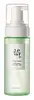 Key Ingredients
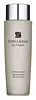
Benefits
Concerns
Ingredients Side-by-side
Water
Skin ConditioningPrunus Mume Fruit Water
HumectantGlycolic Acid
Buffering










Dipropylene Glycol
Humectant1,2-Hexanediol
Skin Conditioning
Pentylene Glycol
Skin Conditioning
Chlorella Vulgaris Extract
Skin ConditioningPortulaca Oleracea Extract
Skin Conditioning

Chondrus Crispus Extract
Skin Conditioning
Saccharum Officinarum Extract
MoisturisingOryza Sativa Bran Water
Masking
Honey Extract
Humectant
Panax Ginseng Root Extract
Emollient
Polygonum Cuspidatum Root Extract
Antioxidant
Glycerin
Humectant
Propanediol
Solvent
Tromethamine
BufferingSodium PCA
Humectant
Glucose
Humectant
C12-14 Pareth-12
EmulsifyingButylene Glycol
Humectant
Fructooligosaccharides
Humectant
Fructose
Humectant
Caprylyl Glycol
Emollient
Ethylhexylglycerin
Skin ConditioningSodium Phytate
Tocopherol
Antioxidant
Ethyl Hexanediol
SolventWater, Prunus Mume Fruit Water, Glycolic Acid, Dipropylene Glycol, 1,2-Hexanediol, Pentylene Glycol, Chlorella Vulgaris Extract, Portulaca Oleracea Extract, Chondrus Crispus Extract, Saccharum Officinarum Extract, Oryza Sativa Bran Water, Honey Extract, Panax Ginseng Root Extract, Polygonum Cuspidatum Root Extract, Glycerin, Propanediol, Tromethamine, Sodium PCA, Glucose, C12-14 Pareth-12, Butylene Glycol, Fructooligosaccharides, Fructose, Caprylyl Glycol, Ethylhexylglycerin, Sodium Phytate, Tocopherol, Ethyl Hexanediol
Water
Skin ConditioningPolysorbate 20
Emulsifying
Acetyl Glucosamine
Skin Conditioning
Faex Extract
Skin ConditioningCamellia Sinensis Leaf Extract
Antimicrobial
Adenosine Phosphate
Skin ConditioningHordeum Vulgare Extract
EmollientPantethine
EmollientTriticum Vulgare Germ Extract
Skin ConditioningCholesterol
Emollient
Squalane
Emollient
Linoleic Acid
Cleansing
Sodium Hyaluronate
Humectant
Glycerin
Humectant
Hydrolyzed Wheat Protein
Skin ConditioningGold
Cosmetic ColorantCaprylyl Glycol
Emollient
Acrylates/C10-30 Alkyl Acrylate Crosspolymer
Emulsion StabilisingSilica
Abrasive
Tromethamine
BufferingPolymethylsilsesquioxane

Hexylene Glycol
EmulsifyingParfum
Masking

Disodium EDTA
Phenoxyethanol
Preservative
Caramel
Cosmetic ColorantCI 77891
Cosmetic ColorantMica
Cosmetic ColorantCI 17200
Cosmetic ColorantWater, Polysorbate 20, Acetyl Glucosamine, Faex Extract, Camellia Sinensis Leaf Extract, Adenosine Phosphate, Hordeum Vulgare Extract, Pantethine, Triticum Vulgare Germ Extract, Cholesterol, Squalane, Linoleic Acid, Sodium Hyaluronate, Glycerin, Hydrolyzed Wheat Protein, Gold, Caprylyl Glycol, Acrylates/C10-30 Alkyl Acrylate Crosspolymer, Silica, Tromethamine, Polymethylsilsesquioxane, Hexylene Glycol, Parfum, Disodium EDTA, Phenoxyethanol, Caramel, CI 77891, Mica, CI 17200
Ingredients Explained
These ingredients are found in both products.
Ingredients higher up in an ingredient list are typically present in a larger amount.
Caprylyl Glycol is a humectant, skin conditioner, emollient, and preservative booster derived from either caprylic acid or synthetically created.
Typical use levels vary from 0.3-1% as a preservative booster and go up to 2% to condition skin.
Because it is not a free-fatty acid, this ingredient is fungal acne safe (there's nothing for Malassezia to feed on).
Learn more about Caprylyl GlycolGlycerin (or glycerol) is a compound naturally found in your skin. It's a powerhouse humectant that pulls water into the stratum corneum.
Topically, glycerin does several things at once:
Your skin makes glycerin on its own (mostly from sebaceous oil breakdown) and shuttles it to your outermost layer of skin, or your epidermis, via aquaporin-3.
Aquaporin-3 is a transporter that is essential for normal skin hydration, elasticity, and repair. Interestingly, mice lacking in AQP3 have dry and less elastic skin that can be fully corrected with glycerin.
This ingredient is non-irritating, plays well with almost every ingredient, and works across all skin types. Typical use is anywhere between 3-10% but can go up to 79% in some leave-on products.
Just know very high concentrations (>40%) can feel tacky in low humidity.
Glycerin is the name for this ingredient in American English. British English uses Glycerol/Glycerine.
Learn more about GlycerinTromethamine (aka THAM) is a synthetic amino acid that shows up in skincare as a helper ingredient.
It functions as a pH adjuster to help neutralize acidic ingredients and set a formula's pH to the right spot.
This matters a lot because a lot of actives (like vitamin C) needs a specific pH to work well and feel comfortable on skin.
Concentration use ranges from 0.1-1.0% depending on the formula.
Learn more about TromethamineWater. It's the most common cosmetic ingredient of all. You'll usually see it at the top of ingredient lists, meaning that it makes up the largest part of the product.
So why is it so popular? Water most often acts as a solvent - this means that it helps dissolve other ingredients into the formulation.
You'll also recognize water as that liquid we all need to stay alive. If you see this, drink a glass of water. Remember to stay hydrated!
Learn more about Water

