This oil-based makeup remover is made to dissolve makeup, sunscreen, and daily buildup.
This oil-based makeup remover is made to dissolve makeup, sunscreen, and daily buildup.

What's inside
What's inside
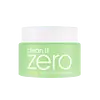 Key Ingredients
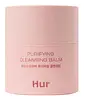
Benefits
Concerns
Ingredients Side-by-side
Cetyl Ethylhexanoate
EmollientEthylhexyl Stearate
Emollient




PEG-20 Glyceryl Triisostearate
Emollient
PEG-10 Isostearate
Emulsifying
Synthetic Wax
Abrasive
Simmondsia Chinensis Seed Oil
Emollient



1,2-Hexanediol
Skin Conditioning
Butylene Glycol
Humectant
Water
Skin ConditioningMelaleuca Alternifolia Leaf Extract
Perfuming
Parfum
Masking

Onsen-Sui
Carthamus Tinctorius Flower Extract
Skin ConditioningGardenia Florida Fruit Extract
Skin ConditioningCapryloyl Salicylic Acid
Exfoliating



Salicylic Acid
Masking




Dextrin
AbsorbentMelaleuca Alternifolia Leaf Oil
Antioxidant

Citric Acid
Buffering
Gluconolactone
Chelating

Lactobacillus Ferment
Skin Conditioning
4-Terpineol
Masking
Cetyl Ethylhexanoate, Ethylhexyl Stearate, PEG-20 Glyceryl Triisostearate, PEG-10 Isostearate, Synthetic Wax, Simmondsia Chinensis Seed Oil, 1,2-Hexanediol, Butylene Glycol, Water, Melaleuca Alternifolia Leaf Extract, Parfum, Onsen-Sui, Carthamus Tinctorius Flower Extract, Gardenia Florida Fruit Extract, Capryloyl Salicylic Acid, Salicylic Acid, Dextrin, Melaleuca Alternifolia Leaf Oil, Citric Acid, Gluconolactone, Lactobacillus Ferment, 4-Terpineol
Caprylic/Capric Triglyceride
Masking
C13-15 Alkane
SolventPEG-20 Glyceryl Triisostearate
Emollient
Synthetic Wax
Abrasive
Ricinus Communis Seed Oil
Masking
Helianthus Annuus Seed Oil
Emollient
Silica Dimethyl Silylate
EmollientPolysorbate 85
Emulsifying
Lithospermum Erythrorhizon Root Extract
Skin ConditioningPunica Granatum Fruit Extract
Antioxidant
Ribes Nigrum Fruit Extract
Astringent
Hippophae Rhamnoides Fruit Extract
Skin Conditioning
Fragaria Vesca Fruit Extract
AstringentMalpighia Emarginata Fruit Extract
Skin ConditioningEuterpe Oleracea Fruit Extract
Terminalia Ferdinandiana Fruit Extract
Antioxidant
1,2-Hexanediol
Skin Conditioning
Vaccinium Macrocarpon Fruit Powder
Antioxidant
Trihydroxystearin
Skin Conditioning
Tocopheryl Acetate
Antioxidant
Zea Mays Germ Oil
Emollient
Pentaerythrityl Tetra-Di-T-Butyl Hydroxyhydrocinnamate
Antioxidant
Water
Skin ConditioningButylene Glycol
Humectant
Caprylic/Capric Triglyceride, C13-15 Alkane, PEG-20 Glyceryl Triisostearate, Synthetic Wax, Ricinus Communis Seed Oil, Helianthus Annuus Seed Oil, Silica Dimethyl Silylate, Polysorbate 85, Lithospermum Erythrorhizon Root Extract, Punica Granatum Fruit Extract, Ribes Nigrum Fruit Extract, Hippophae Rhamnoides Fruit Extract, Fragaria Vesca Fruit Extract, Malpighia Emarginata Fruit Extract, Euterpe Oleracea Fruit Extract, Terminalia Ferdinandiana Fruit Extract, 1,2-Hexanediol, Vaccinium Macrocarpon Fruit Powder, Trihydroxystearin, Tocopheryl Acetate, Zea Mays Germ Oil, Pentaerythrityl Tetra-Di-T-Butyl Hydroxyhydrocinnamate, Water, Butylene Glycol
Reviews
Ingredients Explained
These ingredients are found in both products.
Ingredients higher up in an ingredient list are typically present in a larger amount.
1,2-Hexanediol is a synthetic liquid and another multi-functional powerhouse.
It is a:
- Humectant, drawing moisture into the skin
- Emollient, helping to soften skin
- Solvent, dispersing and stabilizing formulas
- Preservative booster, enhancing the antimicrobial activity of other preservatives
Butylene Glycol (or BG) is used within cosmetic products for a few different reasons:
Overall, Butylene Glycol is a safe and well-rounded ingredient that works well with other ingredients.
Though this ingredient works well with most skin types, some people with sensitive skin may experience a reaction such as allergic rashes, closed comedones, or itchiness.
Learn more about Butylene GlycolPEG-20 Glyceryl Triisostearate is a synthetic, oil-loving helper ingredient that does two jobs:
This ingredient is made by joining three building blocks: PEG, Isostearic Acid and glycerin. The PEG gives it the oil-and-water blending power.
This ingredient has been found safe for use in cosmetics and broader PEG family testing shows minimal irritation/sensitization. The molecule's large size also means it isn't expected to penetrate skin to any meaningful degree.
Fungal acne note: This ingredient may not be fungal acne safe due to isostearic acid (C18). Isostearic acid falls into the C11-24 range that Malassezia can feed on.
Learn more about PEG-20 Glyceryl TriisostearateSynthetic Wax is a manufactured hydrocarbon wax. In formulas, it works as an occlusive emollient that helps reduce water loss and improves the spreadability of products.
Research comparing synthetic wax to traditional mineral-derived products found that formulas containing it perform as well for skin hydration.
It is considered non-comedogenic and vegan-friendly.
This ingredient has a well-established safety record by the CIR Expert Panel for Cosmetic Ingredient Safety.
Synthetic Waxes are straight/branched-chain hydrocarbons with no ester bond or fatty acids. That means there is nothing for the Malassezia yeast to feed on.
Learn more about Synthetic WaxWater. It's the most common cosmetic ingredient of all. You'll usually see it at the top of ingredient lists, meaning that it makes up the largest part of the product.
So why is it so popular? Water most often acts as a solvent - this means that it helps dissolve other ingredients into the formulation.
You'll also recognize water as that liquid we all need to stay alive. If you see this, drink a glass of water. Remember to stay hydrated!
Learn more about Water

