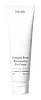
This anti-aging eye moisturizer is formulated around Niacinamide and Hydrolyzed Collagen Extract to soften the look of wrinkles.
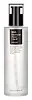
This pore-care exfoliator is formulated around Salix Alba Bark Water and Betaine Salicylate to refine the look of pores and clear breakouts.

What's inside
What's inside
 Key Ingredients
Benefits
Concerns
Ingredients Side-by-side
Water
Skin ConditioningButylene Glycol
Humectant

Caprylic/Capric Triglyceride
Masking
Glycerin
Humectant
Hydrogenated Polydecene
EmollientButyrospermum Parkii Butter
Skin Conditioning




Butylene Glycol Dicaprylate/Dicaprate
EmollientCetearyl Alcohol
Emollient
Niacinamide
Smoothing









1,2-Hexanediol
Skin Conditioning
Behenyl Alcohol
Emollient
Betaine
Humectant
Polyglyceryl-3 Methylglucose Distearate
Emulsifying
Cyclopentasiloxane
Emollient
Glyceryl Stearate
Emollient
Hydrolyzed Collagen Extract
Skin Protecting
Ethyl Hexanediol
SolventC12-16 Alcohols
EmollientPalmitic Acid
Emollient
Hydrogenated Lecithin
Emulsifying
Dimethicone/Vinyl Dimethicone Crosspolymer
Skin Conditioning
Albizia Julibrissin Bark Extract
MaskingDimethylsilanol Hyaluronate
Humectant
Tromethamine
BufferingCaprylyl Glycol
Emollient
Acrylates/C10-30 Alkyl Acrylate Crosspolymer
Emulsion StabilisingSqualane
Emollient
Carbomer
Emulsion StabilisingPhyllanthus Emblica Fruit Extract
HumectantPropanediol
Solvent
Adenosine
Skin Conditioning
Ethylhexylglycerin
Skin ConditioningChrysanthemum Indicum Extract
Antioxidant
Styrax Japonicus Branch Extract
EmollientMoringa Oleifera Seed Oil
Emollient
Trifolium Pratense Extract
Skin ConditioningHydrolyzed Sodium Hyaluronate
Skin Conditioning
Sodium Hyaluronate
Humectant
Sodium Acetylated Hyaluronate
Humectant
Sodium Hyaluronate Crosspolymer
Humectant
Potassium Hyaluronate
Skin ConditioningCeramide NP
Skin Conditioning
Glutathione
Phenoxyethanol
Preservative
Sodium Stearoyl Glutamate
CleansingUbiquinone
Antioxidant
Soluble Collagen
Humectant
Collagen
Moisturising
Cucumis Melo Fruit Extract
Skin ConditioningCollagen Extract
Skin Conditioning
Palmitoyl Tripeptide-5
Skin Conditioning
Water, Butylene Glycol, Caprylic/Capric Triglyceride, Glycerin, Hydrogenated Polydecene, Butyrospermum Parkii Butter, Butylene Glycol Dicaprylate/Dicaprate, Cetearyl Alcohol, Niacinamide, 1,2-Hexanediol, Behenyl Alcohol, Betaine, Polyglyceryl-3 Methylglucose Distearate, Cyclopentasiloxane, Glyceryl Stearate, Hydrolyzed Collagen Extract, Ethyl Hexanediol, C12-16 Alcohols, Palmitic Acid, Hydrogenated Lecithin, Dimethicone/Vinyl Dimethicone Crosspolymer, Albizia Julibrissin Bark Extract, Dimethylsilanol Hyaluronate, Tromethamine, Caprylyl Glycol, Acrylates/C10-30 Alkyl Acrylate Crosspolymer, Squalane, Carbomer, Phyllanthus Emblica Fruit Extract, Propanediol, Adenosine, Ethylhexylglycerin, Chrysanthemum Indicum Extract, Styrax Japonicus Branch Extract, Moringa Oleifera Seed Oil, Trifolium Pratense Extract, Hydrolyzed Sodium Hyaluronate, Sodium Hyaluronate, Sodium Acetylated Hyaluronate, Sodium Hyaluronate Crosspolymer, Potassium Hyaluronate, Ceramide NP, Glutathione, Phenoxyethanol, Sodium Stearoyl Glutamate, Ubiquinone, Soluble Collagen, Collagen, Cucumis Melo Fruit Extract, Collagen Extract, Palmitoyl Tripeptide-5


Reviews
Ingredients Explained
These ingredients are found in both products.
Ingredients higher up in an ingredient list are typically present in a larger amount.
1,2-Hexanediol is a synthetic liquid and another multi-functional powerhouse.
It is a:
- Humectant, drawing moisture into the skin
- Emollient, helping to soften skin
- Solvent, dispersing and stabilizing formulas
- Preservative booster, enhancing the antimicrobial activity of other preservatives
Butylene Glycol (or BG) is used within cosmetic products for a few different reasons:
Overall, Butylene Glycol is a safe and well-rounded ingredient that works well with other ingredients.
Though this ingredient works well with most skin types, some people with sensitive skin may experience a reaction such as allergic rashes, closed comedones, or itchiness.
Learn more about Butylene GlycolEthyl Hexanediol is an aliphatic alcohol. It is a solvent.
Solvents are used to keep ingredients together in a product. They can help dissolve ingredients to stable bases or help evenly distribute ingredients throughout the product.
Niacinamide is a multitasking form of vitamin B3 that strengthens the skin barrier, reduces pores and dark spots, regulates oil, and improves signs of aging.
And the best part? It's gentle and well-tolerated by most skin types, including sensitive and reactive skin.
You might have heard of "niacin flush", or the reddening of skin that causes itchiness. Niacinamide has not been found to cause this.
In very rare cases, some individuals may not be able to tolerate niacinamide at all or experience an allergic reaction to it.
If you are experiencing flaking, irritation, and dryness with this ingredient, be sure to double check all your products as this ingredient can be found in all categories of skincare.
When incorporating niacinamide into your routine, look out for concentration amounts. Typically, 5% niacinamide provides benefits such as fading dark spots. However, if you have sensitive skin, it is better to begin with a smaller concentration.
When you apply niacinamide to your skin, your body converts it into nicotinamide adenine dinucleotide (NAD). NAD is an essential coenzyme that is already found in your cells as "fuel" and powers countless biological processes.
In your skin, NAD helps repair cell damage, produce new healthy cells, support collagen production, strengthen the skin barrier, and fight environmental stressors (like UV and pollution).
Our natural NAD levels start to decline with age, leading to slower skin repair, visible aging, and a weaker skin barrier. By providing your skin niacinamide, you're recharging your skin's NAD levels. This leads to stronger, healthier, and younger looking skin.
Another name for vitamin B3 is nicotinamide. This vitamin is water-soluble and our bodies don't store it. We obtain Vitamin B3 from either food or skincare. Meat, fish, wheat, yeast, and leafy greens contain vitamin B3.
The type of niacinamide used in skincare is synthetically created.
Learn more about NiacinamideSodium Hyaluronate is the salt form of hyaluronic acid. It is a long sugar chain that is naturally found in your skin, joints, and connective tissue that maintains hydration and elasticity.
In skincare, it works as a humectant. It pulls water from the environment and deeper layers of skin and binds it to the surface.
Interestingly, the size of the molecule affects its behavior:
Some clinical evidence links low molecular weight versions to improved wrinkle depth, elasticity, anti-inflammatory effects, and barrier repair.
Many serums use a blend of both weights so you can get surface hydration plus longer-lasting and deeper effects.
You'll typically see concentrations between 0.1-2% for this ingredient.
Learn more about Sodium Hyaluronate

