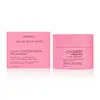
This anti-aging moisturizer is formulated around Acetyl Glucosamine and Copper Tripeptide-1 to soften the look of wrinkles and brighten dull-looking skin.
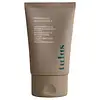
This barrier-repair moisturizer is formulated around Panthenol and Lactobacillus Ferment to strengthen the skin barrier and calm redness.

What's inside
What's inside
 Key Ingredients
Benefits
Concerns
Ingredients Side-by-side
Water
Skin ConditioningGlycerin
Humectant


Propanediol
Solvent
1,2-Hexanediol
Skin Conditioning
Pentylene Glycol
Skin Conditioning
Dicaprylyl Carbonate
EmollientButylene Glycol
Humectant
Glyceryl Acrylate/Acrylic Acid Copolymer
HumectantAcetyl Glucosamine
Skin Conditioning


Leuconostoc/Radish Root Ferment Filtrate
Antimicrobial

Lactobacillus/Soybean Ferment Extract
Skin ConditioningLactobacillus Ferment
Skin Conditioning
Lactobacillus/Acerola Cherry Ferment
Skin ProtectingLactococcus Ferment
Skin ConditioningBifida Ferment Filtrate
Skin Conditioning
Lactococcus Ferment Lysate
Skin Conditioning
Lactobacillus/Punica Granatum Fruit Ferment Extract
Antioxidant
Lactobacillus Ferment Lysate
Skin Conditioning
Hydroxyethyl Acrylate/Sodium Acryloyldimethyl Taurate Copolymer
Emulsion StabilisingAcrylates/C10-30 Alkyl Acrylate Crosspolymer
Emulsion StabilisingTromethamine
BufferingGlucose
Humectant
Chlorella Vulgaris Extract
Skin ConditioningChondrus Crispus Extract
Skin Conditioning

Sodium Polyglutamate
HumectantFructose
Humectant
Fructooligosaccharides
Humectant
Saccharum Officinarum Extract
MoisturisingEthylhexylglycerin
Skin ConditioningDipeptide Diaminobutyroyl Benzylamide Diacetate
Skin Conditioning
Sodium Phytate
ChelatingTocopherol
Antioxidant
Copper Tripeptide-1
Skin Conditioning
Acetyl Hexapeptide-8
Humectant
Water, Glycerin, Propanediol, 1,2-Hexanediol, Pentylene Glycol, Dicaprylyl Carbonate, Butylene Glycol, Glyceryl Acrylate/Acrylic Acid Copolymer, Acetyl Glucosamine, Leuconostoc/Radish Root Ferment Filtrate, Lactobacillus/Soybean Ferment Extract, Lactobacillus Ferment, Lactobacillus/Acerola Cherry Ferment, Lactococcus Ferment, Bifida Ferment Filtrate, Lactococcus Ferment Lysate, Lactobacillus/Punica Granatum Fruit Ferment Extract, Lactobacillus Ferment Lysate, Hydroxyethyl Acrylate/Sodium Acryloyldimethyl Taurate Copolymer, Acrylates/C10-30 Alkyl Acrylate Crosspolymer, Tromethamine, Glucose, Chlorella Vulgaris Extract, Chondrus Crispus Extract, Sodium Polyglutamate, Fructose, Fructooligosaccharides, Saccharum Officinarum Extract, Ethylhexylglycerin, Dipeptide Diaminobutyroyl Benzylamide Diacetate, Sodium Phytate, Tocopherol, Copper Tripeptide-1, Acetyl Hexapeptide-8
Water
Skin ConditioningGlycerin
Humectant
Butylene Glycol
Humectant
Dicaprylyl Ether
Emollient
Pentylene Glycol
Skin Conditioning
Dicaprylyl Carbonate
Emollient1,2-Hexanediol
Skin Conditioning
Panthenol
Skin Conditioning
Hydrogenated Polydecene
EmollientHydroxyethyl Acrylate/Sodium Acryloyldimethyl Taurate Copolymer
Emulsion StabilisingAllantoin
Skin Conditioning
Acrylates/C10-30 Alkyl Acrylate Crosspolymer
Emulsion StabilisingHydroxyacetophenone
Antioxidant
Sodium Polyacryloyldimethyl Taurate
Emulsion StabilisingTromethamine
BufferingGlyceryl Acrylate/Acrylic Acid Copolymer
HumectantXanthan Gum
EmulsifyingCitric Acid
Buffering
Dipotassium Glycyrrhizate
Humectant
Sodium Phytate
ChelatingTocopherol
Antioxidant
Palmitoyl Pentapeptide-4
Skin Conditioning
Caprylic/Capric Triglyceride
Masking
Hydrogenated Lecithin
Emulsifying
Lactobacillus Ferment
Skin Conditioning
Lactobacillus/Acerola Cherry Ferment
Skin ProtectingLactococcus Ferment
Skin ConditioningLeuconostoc/Radish Root Ferment Filtrate
Antimicrobial
Bifida Ferment Filtrate
Skin Conditioning
Ceramide NP
Skin Conditioning
Lactococcus Ferment Lysate
Skin Conditioning
Lactobacillus/Punica Granatum Fruit Ferment Extract
Antioxidant
Lactobacillus/Soybean Ferment Extract
Skin ConditioningLactobacillus Ferment Lysate
Skin Conditioning
Sodium Stearoyl Glutamate
CleansingWater, Glycerin, Butylene Glycol, Dicaprylyl Ether, Pentylene Glycol, Dicaprylyl Carbonate, 1,2-Hexanediol, Panthenol, Hydrogenated Polydecene, Hydroxyethyl Acrylate/Sodium Acryloyldimethyl Taurate Copolymer, Allantoin, Acrylates/C10-30 Alkyl Acrylate Crosspolymer, Hydroxyacetophenone, Sodium Polyacryloyldimethyl Taurate, Tromethamine, Glyceryl Acrylate/Acrylic Acid Copolymer, Xanthan Gum, Citric Acid, Dipotassium Glycyrrhizate, Sodium Phytate, Tocopherol, Palmitoyl Pentapeptide-4, Caprylic/Capric Triglyceride, Hydrogenated Lecithin, Lactobacillus Ferment, Lactobacillus/Acerola Cherry Ferment, Lactococcus Ferment, Leuconostoc/Radish Root Ferment Filtrate, Bifida Ferment Filtrate, Ceramide NP, Lactococcus Ferment Lysate, Lactobacillus/Punica Granatum Fruit Ferment Extract, Lactobacillus/Soybean Ferment Extract, Lactobacillus Ferment Lysate, Sodium Stearoyl Glutamate
Ingredients Explained
These ingredients are found in both products.
Ingredients higher up in an ingredient list are typically present in a larger amount.
1,2-Hexanediol is a synthetic liquid and another multi-functional powerhouse.
It is a:
- Humectant, drawing moisture into the skin
- Emollient, helping to soften skin
- Solvent, dispersing and stabilizing formulas
- Preservative booster, enhancing the antimicrobial activity of other preservatives
Acrylates/C10-30 Alkyl Acrylate Crosspolymer is a synthetic polymer. It is used to thicken, emulsify, and improve the texture of products.
As an emulsifier, it helps stabilize oil-in-water emulsions to give products an elegant feel when applied.
It can also form a thin protective film on skin. One study found that a formula using this polymer helped slow down how quickly other ingredients (like DEET) were absorbed through skin.
A 2024 study of over 1,300 patients confirmed that sensitization to this ingredient is rare. It is also non-mutagenic and has a clean track record.
Learn more about Acrylates/C10-30 Alkyl Acrylate CrosspolymerThis ingredient is a postbiotic made by fermenting Bifidobacterium (a probiotic bacteria) and then filtering out the liquid portion. It has skin conditioning properties.
Much of the evidence for this ingredient is borrowed from the lysate form of this ingredient, which has a much stronger research base.
This ingredient is generally considered fungal acne (Malassezia) safe; Bifidobacterium is a bacterium, not a yeast or fungus.
The fungal acne concern with fermented ingredients mainly applies to yeast-derived ferments like Saccharomyces and Galactomyces, because those are in the same kingdom as Malassezia and could theoretically contain residual compounds that feed it.
Bifida is a completely different organism, so on its own it doesn't provide a food source for the Malassezia yeast that causes fungal acne.
Learn more about Bifida Ferment FiltrateButylene Glycol (or BG) is used within cosmetic products for a few different reasons:
Overall, Butylene Glycol is a safe and well-rounded ingredient that works well with other ingredients.
Though this ingredient works well with most skin types, some people with sensitive skin may experience a reaction such as allergic rashes, closed comedones, or itchiness.
Learn more about Butylene GlycolDicaprylyl Carbonate comes from carbonic acid and caprylyl alcohol, a fatty alcohol. It is an emollient and gives skin a velvet feel. The sources of Dicaprylyl Carbonate may be synthetic or from animals.
As an emollient, Dicaprylyl Carbonate creates a film on the skin. This film traps moisture in, keeping your skin soft and hydrated.
Glycerin (or glycerol) is a compound naturally found in your skin. It's a powerhouse humectant that pulls water into the stratum corneum.
Topically, glycerin does several things at once:
Your skin makes glycerin on its own (mostly from sebaceous oil breakdown) and shuttles it to your outermost layer of skin, or your epidermis, via aquaporin-3.
Aquaporin-3 is a transporter that is essential for normal skin hydration, elasticity, and repair. Interestingly, mice lacking in AQP3 have dry and less elastic skin that can be fully corrected with glycerin.
This ingredient is non-irritating, plays well with almost every ingredient, and works across all skin types. Typical use is anywhere between 3-10% but can go up to 79% in some leave-on products.
Just know very high concentrations (>40%) can feel tacky in low humidity.
Glycerin is the name for this ingredient in American English. British English uses Glycerol/Glycerine.
Learn more about GlycerinGlyceryl Acrylate/Acrylic Acid Copolymer is made up of glycerin and polyacrylic acid. It helps hydrate your skin as a humectant.
This ingredient forms a hydrogel that delivers moisturizing, water-based ingredients to the skin. It is also used to thicken a product and to give it a smooth texture.
Acrylic acid itself is toxic, but the polymer form (this ingredient) is too large to penetrate skin, making it non-toxic.
Learn more about Glyceryl Acrylate/Acrylic Acid CopolymerThis is a synthetic polymer. It helps improve the texture of products by adding thickness and gel-like feel.
It is also an emulsifer, meaning it prevents ingredients such as oil and water from separating. It also helps evenly disperse other ingredients.
This ingredient is made when the Lactobacillus bacteria (the same kind that makes yogurt and kimchi) are allowed to ferment a nutrient medium.
As it ferments, it collects lactic acid, peptides, enzymes, and other bioactive metabolites to provide:
A 2023 review noted that probiotic fermentation ingredients like this one can enhance antioxidant capacity, reduce UV-induced oxidative damage, and support barrier function.
One clinical study from the same year showed a Lactobacillus ferment lysate significantly reduced transepidermal water loss and improved skin hydration.
Another review highlighted that topical Lactobacillus-based preparations can improve ceramide levels in the stratum corneum, support barrier integrity, and even help reduce S. aureus colonization in atopic dermatitis.
Why is this so cool?
Basically, your skin's outer layer works as a brick wall; skin cells are bricks and ceramides are the mortar holding it together. Moisture escapes, irritants get in, and your skin gets dry and reactive when ceramide levels drop. On top of that, "bad" skin bacteria S. aureus loves to move in when your barrier is weak to make inflammation and irritation worse.
So Lactobacillus ferment is basically patching the wall and evicting the troublemaker when it boosts ceramide production and help keep S. aureus in check.
On top of all this, it also acts as a mild antimicrobial preservative booster.
Just so you know, most studies focus on specific strains or the lysate form rather than this generic "Lactobacillus Ferment", so results can vary.
Though it's a promising ingredient, it doesn't have decades of robust clinical data behind it just yet.
Lactobacillus Ferment is generally considered safe for fungal-acne prone skin. The key thing to understand is that it comes from bacteria, not yeast or fungus.
Yeast-derived ferments (like galactomyces) have been shown to activate a protein that's linked to Malassezia-related skin issues whereas lactobacillus doesn't have that problem.
Its byproducts also don't contain the types of fatty acids (C11-24 chain lengths) that Malassezia feeds on.
Learn more about Lactobacillus FermentLactobacillus Ferment Lysate is a postbiotic with skin soothing properties. Postbiotics are inactive molecules produced by probiotic bacteria that provide skin benefits.
This ingredient comes from the secretion of the bacteria, Lactobacillus.
Studies show this ingredient can help calm redness and may help treat the signs of photoaging; however, the evidence is inconclusive and further studies are needed.
Lactobacillus Ferment is generally considered safe for fungal-acne prone skin. The key thing to understand is that it comes from bacteria, not yeast or fungus.
Yeast-derived ferments (like galactomyces) have been shown to activate a protein that's linked to Malassezia-related skin issues whereas lactobacillus doesn't have that problem.
Its byproducts also don't contain the types of fatty acids (C11-24 chain lengths) that Malassezia feeds on.
Learn more about Lactobacillus Ferment LysateWe don't have a description for Lactobacillus/Acerola Cherry Ferment yet.
This one is the fancy name for pomegranate enzyme. It is created by fermenting pomegranate (Punica Granatum) with Lactobacillus bacteria.
The fermentation step breaks down the fruit's bound polyphenols into smaller, more skin-available forms. Most notably, Punicalagin gets converted into Ellagic Acid.
What you end up with is a water-loving ingredient packed with plant antioxidants and a gentle skin-dissolving enzyme that works in two ways:
1) it fights daily damage from things like pollution and UV
2) it lightly loosens dead skin cells on the surface for a smoother, brighter look.
The antioxidant side is the better studied half. Pomegranate's natural compounds help neutralize unstable molecules that damage skin cells and lab studies on skin cells show they can also help calm inflammation.
Exfoliation from this ingredient is soft; it gently loosens dead skin cells on the surface. Even manufacturers admit it's not as strong as AHAs like glycolic acid.
A 2022 human trial on a fermented pomegranate serum reported improvements in moisture, brightness, elasticity, spots, and collagen density after 4-8 weeks.
This ingredient is recommended to be used at 1-3% by suppliers. Since the Lactobacillus is a fermenting organism rather than live culture in a final product, there's no known fungal acne concern.
Just be sure to patch test or avoid if you have known pomegranate allergies.
Learn more about Lactobacillus/Punica Granatum Fruit Ferment ExtractLactobacillus/Soybean Ferment Extract is the result of fermenting soybeans with the Lactobacillus bacteria. It mainly acts as a skin conditioning agent in a formula, and the interesting part is what fermentation does to the soy.
Fermenting soy:
The isoflavones are the workhorses behind the common claims; lab and animal studies show they mop up free radicals, help protect skin cells from UVB damage, and nudge fibroblasts to make more collagen while slowing the enzymes that break collagen down.
One controlled clinical study using an isoflavone cream reported softer wrinkles and better skin texture over time. A topical fermented soy extract also improved hydration and elasticity in an animal aging model.
The big caveat is that most of this evidence comes from soy isoflavones and related fermented soy extracts rather than this exact INCI. Some of the strongest data also comes from oral studies.
So it's best to think of this ingredient as a gentle, antioxidant-leaning conditioning agent rather than a proven wrinkle eraser.
At this time, there's no published concentration levels for this specific ferment but it usually shows up at modest levels in real products (~1% or less).
One last thing for people with soy allergies: it's always worth patch testing this ingredient despite the lowered allergy risk.
Learn more about Lactobacillus/Soybean Ferment ExtractWe don't have a description for Lactococcus Ferment yet.
Lactococcus Ferment Lysate is a postbiotic created by fermenting Lactoccus lactis, a type of bacteria more commonly used to create Lactic acid.
Postbiotics are inactive molecules produced by probiotic bacteria that provide skin benefits.
This ingredient offers promising benefits, but it is relatively new and more evidence is needed to prove its efficacy. The manufacturer claims this ingredient:
A study from 2022 found this ingredient helped protect skin against damaged from UV exposure (though this should not replace your sunscreen!).
The lysate in the ingredient name refers to a fluid that forms from breaking down the cell membrane.
Learn more about Lactococcus Ferment LysateLeuconostoc/Radish Root Ferment Filtrate is a natural preservative. It comes from fermenting radish roots with a bacteria called leuconostoc. The trade name for this ingredient is Leucidal.
Leuconostoc comes from lactic acid.
This ingredient has antimicrobial properties and helps prevent the growth of bacteria in a product.
Leuconostoc is used to make the traditional Korean side-dish, kimchi. It is also used to make sourdough bread (both incredibly yummy foods).
Learn more about Leuconostoc/Radish Root Ferment FiltratePentylene Glycol (1,2-pentanediol) is a multitasking little diol with three main roles in a formula:
Research on alkanediols (the family pentylene glycol belongs to) show they work by disrupting microbial cell membranes. This disruption helps the primary preservative system in a product work more effectively at lower doses.
On the safety side, the Cosmetic Ingredient Review Expert Panel has concluded this ingredient to be safe as used in current cosmetic practices + concentrations.
Typical use levels in a formula run about 1-5%.
Learn more about Pentylene GlycolSodium Phytate is the sodium salt of Phytic acid, a compound that plants store phosphorus in. It's the plant-derived alternative to ingredients like Disodium EDTA.
In skincare, this ingredient is a chelator that grabs onto trace metal ions like iron and copper that sneak into formulas through water/raw materials.
Those metals speed up oxidation so binding them keeps oils, fragrance, and actives from going off, stops color changes, and helps the preservative system work harder.
Survey data shows usage levels range from 0.0099%-0.5% in leave-on products, 0.025%-0.3% in rinse-off, and up to 0.05% in eye-area products. Suppliers typically recommend a range between 0.05-0.5%.
Learn more about Sodium PhytateTocopherol is a fat-soluble antioxidant known as Vitamin E.
You'll find this ingredient in the vast majority of skincare (for good reason). It works to neutralize free radicals, or unstable molecules generated by UV exposure, pollution, and other environmental stressors, before they can cause oxidative damage to your skin cells.
Topically applied tocopherol has been shown to protect against UV damage by ramping up the skin's own natural defense enzymes.
It also acts as a skin conditioning agent; some studies show that regular topical use can improve the skin's water-binding capacity over 2-4 weeks.
This ingredient is especially loved for being a team player. When combined with Vitamin C, the photoprotective effect of both ingredients roughly doubles and the combo also helps reduce UV-induced DNA damage.
This ingredient has some brightening potential but it's more of a prevention ingredient than spot-fader. Cell studies show it can slow down melanin production but it's worth noting that it's not the most powerful brightener out there.
In formulations, it also serves as a stabilizer that helps protect other oxidation-prone ingredients from degrading.
Concentrations usually range from 0.1-1% in most leave-on products.
Learn more about TocopherolTromethamine (aka THAM) is a synthetic amino acid that shows up in skincare as a helper ingredient.
It functions as a pH adjuster to help neutralize acidic ingredients and set a formula's pH to the right spot.
This matters a lot because a lot of actives (like vitamin C) needs a specific pH to work well and feel comfortable on skin.
Concentration use ranges from 0.1-1.0% depending on the formula.
Learn more about TromethamineWater. It's the most common cosmetic ingredient of all. You'll usually see it at the top of ingredient lists, meaning that it makes up the largest part of the product.
So why is it so popular? Water most often acts as a solvent - this means that it helps dissolve other ingredients into the formulation.
You'll also recognize water as that liquid we all need to stay alive. If you see this, drink a glass of water. Remember to stay hydrated!
Learn more about Water


