This oil-based makeup remover is made to dissolve makeup, sunscreen, and daily buildup.
This oil-based makeup remover is made to dissolve makeup, sunscreen, and daily buildup.


What's inside
What's inside
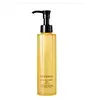 Key Ingredients
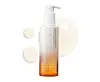
Benefits
Concerns
Ingredients Side-by-side
Cetyl Ethylhexanoate
EmollientPolyglyceryl-10 Diisostearate
Emulsifying

Polyglyceryl-6 Dicaprate
EmulsifyingGlycerin
Humectant


Dicaprylyl Ether
Emollient
PEG-20 Glyceryl Triisostearate
Emollient
Methyl Gluceth-10
EmulsifyingGlyceryl Behenate/Eicosadioate
Emollient
Aleurites Moluccanus Seed Oil
Skin Conditioning
Simmondsia Chinensis Seed Oil
Emollient
Salicornia Herbacea Extract
Skin ConditioningCistus Monspeliensis Extract
MaskingHelichrysum Italicum Extract
AntiseborrhoeicPlukenetia Volubilis Seed Oil
Emollient
Limnanthes Alba Seed Oil
Skin Conditioning
Argania Spinosa Kernel Oil
Emollient


Lemongrass Oil

Citrus Aurantium Bergamia Fruit Oil
Masking


Citrus Aurantium Amara Flower Oil
Masking
Lavandula Angustifolia Oil
Masking
Polyglyceryl-2 Isostearate
Emulsifying
Diglycerin
Humectant
PEG-20 Sorbitan Isostearate
Emulsifying
Water
Skin ConditioningStearoyl Inulin
EmollientCaprylic/Capric Triglyceride
Masking
Helianthus Annuus Seed Oil
Emollient
PEG/PPG/Polybutylene Glycol-8/5/3 Glycerin
HumectantTocopherol
Antioxidant




Parfum
Masking

Phenoxyethanol
Preservative
Cetyl Ethylhexanoate, Polyglyceryl-10 Diisostearate, Polyglyceryl-6 Dicaprate, Glycerin, Dicaprylyl Ether, PEG-20 Glyceryl Triisostearate, Methyl Gluceth-10, Glyceryl Behenate/Eicosadioate, Aleurites Moluccanus Seed Oil, Simmondsia Chinensis Seed Oil, Salicornia Herbacea Extract, Cistus Monspeliensis Extract, Helichrysum Italicum Extract, Plukenetia Volubilis Seed Oil, Limnanthes Alba Seed Oil, Argania Spinosa Kernel Oil, Lemongrass Oil, Citrus Aurantium Bergamia Fruit Oil, Citrus Aurantium Amara Flower Oil, Lavandula Angustifolia Oil, Polyglyceryl-2 Isostearate, Diglycerin, PEG-20 Sorbitan Isostearate, Water, Stearoyl Inulin, Caprylic/Capric Triglyceride, Helianthus Annuus Seed Oil, PEG/PPG/Polybutylene Glycol-8/5/3 Glycerin, Tocopherol, Parfum, Phenoxyethanol
Ethylhexyl Palmitate
Emollient

PEG-20 Glyceryl Triisostearate
Emollient
Prunus Amygdalus Dulcis Oil
Skin Conditioning
C15-19 Alkane
SolventSesamum Indicum Seed Oil
Emollient
Vitis Vinifera Seed Oil
Emollient
Pyrus Malus Seed Oil
Emollient
Rubus Idaeus Seed Oil
Emollient
Camellia Sinensis Leaf Extract
Antimicrobial
Rosmarinus Officinalis Leaf Extract
AntimicrobialCitrus Sinensis Peel Oil Expressed
Perfuming
Tocopheryl Acetate
Antioxidant
Ethylhexylglycerin
Skin ConditioningPhenoxyethanol
Preservative
Parfum
Masking
Ethylhexyl Palmitate, PEG-20 Glyceryl Triisostearate, Prunus Amygdalus Dulcis Oil, C15-19 Alkane, Sesamum Indicum Seed Oil, Vitis Vinifera Seed Oil, Pyrus Malus Seed Oil, Rubus Idaeus Seed Oil, Camellia Sinensis Leaf Extract, Rosmarinus Officinalis Leaf Extract, Citrus Sinensis Peel Oil Expressed, Tocopheryl Acetate, Ethylhexylglycerin, Phenoxyethanol, Parfum
Reviews
Ingredients Explained
These ingredients are found in both products.
Ingredients higher up in an ingredient list are typically present in a larger amount.
Parfum is a catch-all term for an ingredient or more that is used to give a scent to products.
Also called "fragrance", this ingredient can be a blend of hundreds of chemicals or plant oils. This means every product with "fragrance" or "parfum" in the ingredients list is a different mixture.
For instance, Habanolide is a proprietary trade name for a specific aroma chemical. When used as a fragrance ingredient in cosmetics, most aroma chemicals fall under the broad labeling category of “FRAGRANCE” or “PARFUM” according to EU and US regulations.
The term 'parfum' or 'fragrance' is not regulated in many countries. In many cases, it is up to the brand to define this term.
For instance, many brands choose to label themselves as "fragrance-free" because they are not using synthetic fragrances. However, their products may still contain ingredients such as essential oils that are considered a fragrance by INCI standards.
One example is Calendula flower extract. Calendula is an essential oil that still imparts a scent or 'fragrance'.
Depending on the blend, the ingredients in the mixture can cause allergies and sensitivities on the skin. Some ingredients that are known EU allergens include linalool and citronellol.
Parfum can also be used to mask or cover an unpleasant scent.
The bottom line is: not all fragrances/parfum/ingredients are created equally. If you are worried about fragrances, we recommend taking a closer look at an ingredient. And of course, we always recommend speaking with a professional.
Learn more about ParfumPEG-20 Glyceryl Triisostearate is a synthetic, oil-loving helper ingredient that does two jobs:
This ingredient is made by joining three building blocks: PEG, Isostearic Acid and glycerin. The PEG gives it the oil-and-water blending power.
This ingredient has been found safe for use in cosmetics and broader PEG family testing shows minimal irritation/sensitization. The molecule's large size also means it isn't expected to penetrate skin to any meaningful degree.
Fungal acne note: This ingredient may not be fungal acne safe due to isostearic acid (C18). Isostearic acid falls into the C11-24 range that Malassezia can feed on.
Learn more about PEG-20 Glyceryl TriisostearatePhenoxyethanol is one of the most widely used preservatives in skincare (and for good reason!).
It has a large spectrum of antimicrobial activity and especially effective bacteria, yeast, and mold while only having a weak effect on your skin's natural microbiome.
On a cellular level, it disrupts the cell membranes of microbes by poking holes that make the cell leak. This shuts down the chemical reactions the microbe needs to make energy so it can no longer survive.
Another perk of this ingredient is that it stays functional across a wide pH range (3-10).
You'll often see it paired with boosters like Ethylhexylglycerin; one study showed that a 1:9 ratio of Ethylhexylglycerin to Phenoxyethanol damages bacterial membranes as effectively as doubling the Phenoxyethanol concentration on its own.
Typical use concentrations range from 0.3-1% depending on the formula, and this ingredient is capped at 1% int the EU.
Safety-wise, the fear mongering does not hold up to the evidence. The EU's Scientific Committee on Consumer Safety and FDA consider it safe as a preservative at up to 1%, including for children of all ages.
Adverse systemic effects only showed up in animal studies at exposures roughly 200x higher than what people get from cosmetics. And despite its very widespread use, this ingredient is a rare sensitizer and allergic reactions are uncommon.
Learn more about Phenoxyethanol

