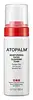
This mild foaming cleanser is made to cleanse without leaving your skin tight or dry.

What's inside
What's inside
 Key Ingredients
Benefits
Concerns
Ingredients Side-by-side
Water
Skin ConditioningPotassium Cocoyl Glutamate
Surfactant
Disodium Cocoamphodiacetate
CleansingDisodium Lauryl Sulfosuccinate
CleansingDecyl Glucoside
Cleansing
Glycerin
Humectant


Betaine
Humectant
Sodium Lactate
Buffering
Caprylyl Glycol
Emollient
Potassium Sorbate
Preservative
Citric Acid
Buffering


Citrus Aurantium Amara Fruit Extract
Skin ConditioningLactic Acid
Buffering






Sodium Hyaluronate
Humectant

Myristoyl/Palmitoyl Oxostearamide/Arachamide Mea
Skin ConditioningParfum
Masking

Water, Potassium Cocoyl Glutamate, Disodium Cocoamphodiacetate, Disodium Lauryl Sulfosuccinate, Decyl Glucoside, Glycerin, Betaine, Sodium Lactate, Caprylyl Glycol, Potassium Sorbate, Citric Acid, Citrus Aurantium Amara Fruit Extract, Lactic Acid, Sodium Hyaluronate, Myristoyl/Palmitoyl Oxostearamide/Arachamide Mea, Parfum
Water
Skin ConditioningSodium Methyl Cocoyl Taurate
Cleansing
Lauryl Hydroxysultaine
CleansingSodium Chloride
MaskingDisodium Cocoamphodiacetate
CleansingCoco-Glucoside
Cleansing
Panthenol
Skin Conditioning
Myristoyl/Palmitoyl Oxostearamide/Arachamide Mea
Skin ConditioningSimmondsia Chinensis Seed Oil
Emollient

Helianthus Annuus Seed Oil
Emollient
Vitis Vinifera Seed Oil
Emollient
Carthamus Tinctorius Seed Oil
Masking
Camellia Sinensis Seed Oil
Humectant
Trehalose
Humectant
Sodium PCA
Humectant
Hydrolyzed Hyaluronic Acid
Humectant
Hexylene Glycol
EmulsifyingSodium Phytate
ChelatingCitric Acid
Buffering
Sodium Citrate
BufferingPhenethyl Alcohol
MaskingCaprylyl Glycol
Emollient
Artemisia Vulgaris Oil
Perfuming
Santalum Album Oil
Masking
Water, Sodium Methyl Cocoyl Taurate, Lauryl Hydroxysultaine, Sodium Chloride, Disodium Cocoamphodiacetate, Coco-Glucoside, Panthenol, Myristoyl/Palmitoyl Oxostearamide/Arachamide Mea, Simmondsia Chinensis Seed Oil, Helianthus Annuus Seed Oil, Vitis Vinifera Seed Oil, Carthamus Tinctorius Seed Oil, Camellia Sinensis Seed Oil, Trehalose, Sodium PCA, Hydrolyzed Hyaluronic Acid, Hexylene Glycol, Sodium Phytate, Citric Acid, Sodium Citrate, Phenethyl Alcohol, Caprylyl Glycol, Artemisia Vulgaris Oil, Santalum Album Oil
Ingredients Explained
These ingredients are found in both products.
Ingredients higher up in an ingredient list are typically present in a larger amount.
Caprylyl Glycol is a humectant, skin conditioner, emollient, and preservative booster derived from either caprylic acid or synthetically created.
Typical use levels vary from 0.3-1% as a preservative booster and go up to 2% to condition skin.
Because it is not a free-fatty acid, this ingredient is fungal acne safe (there's nothing for Malassezia to feed on).
Learn more about Caprylyl GlycolCitric Acid is an alpha hydroxy acid (AHA) naturally found in citrus fruits like oranges, lemons, and limes.
Like other AHAs, citric acid can exfoliate skin by breaking down the bonds that hold dead skin cells together. This helps reveal smoother and brighter skin underneath.
However, this exfoliating effect only happens at high concentrations (20%) which can be hard to find in cosmetic products.
Due to this, citric acid is usually included in small amounts as a pH adjuster. This helps keep products slightly more acidic and compatible with skin's natural pH.
In skincare formulas, citric acid can:
While it can provide some skin benefits, research shows lactic acid and glycolic acid are generally more effective and less irritating exfoliants.
Most citric acid used in skincare today is made by fermenting sugars (usually from molasses). This synthetic version is identical to the natural citrus form but easier to stabilize and use in formulations.
Rosacea skin has a lower threshold for acids generally, with 62.5% of rosacea subjects in one study reacting to lactic acid in a sting test. This is why we mark citric acid as a potential rosacea trigger.
However, this ingredient shows up as a pH adjuster or chelator at roughly 0.1-1% in many products. These low levels are unlikely to be an issue for rosacea skin and becomes a potential trigger at exfoliating concentrations (20%). Because everybody's skin is unique, we recommend a patch test if you are unsure.
Learn more about Citric AcidDisodium Cocoamphodiacetate is a surfactant and helps cleanse skin. It is created from the fatty acids of coconut oil.
Surfactants help rinse oil, dirt, and other pollutants easily from skin. It has a faint fruit-like scent.
Myristoyl/Palmitoyl Oxostearamide/Arachamide Mea (M/PO/AM) is a synthetic pseudoceramide; it's basically a lab-made ingredient designed to mimic the ceramides that your skin naturally produces.
What makes this ingredient special? It is connected to something called multi-lamellar emulsion (MLE) technology.
Your skin's outermost layer (stratum corneum) is often described as a "brick wall" where skin cells are bricks and lipids hold everything together. Your lipids are Ceramides, Cholesterol, and free fatty acids.
These fatty acids are not just randomly squished together. They're arranged in very specific layered (lamellar) structures. Your barrier suffers when the layer structure gets disrupted from things like eczema, harsh weather, or over-exfoliating.
M/PO/AM is formulated within MLE technology to closely replicate your skin's natural layers, setting it apart from other ceramides.
The research behind M/PO/AM is pretty solid for eczema, aka atopic dermatitis. A 2003 study on children with eczema found that an MLE cream containing M/PO/AM outperformed a standard urea-based moisturizer. The study also found a 31-35% decrease in severity index compared to smaller improvements from the control cream.
Recently, a 2024 trial found that combining M/PO/AM with topical corticosteroid led to better outcomes than using the steroid alone. The trial noted improvements in skin hydration, dryness, itching, and quality of life scores.
Research has also shown that M/PO/AM can help reduce barrier-damaging side effects of long term topical steroid use.
This ingredient also goes by the trade name PC-9S. No notable allergy concerns have been flagged for this ingredient in the published literature.
Learn more about Myristoyl/Palmitoyl Oxostearamide/Arachamide MeaWater. It's the most common cosmetic ingredient of all. You'll usually see it at the top of ingredient lists, meaning that it makes up the largest part of the product.
So why is it so popular? Water most often acts as a solvent - this means that it helps dissolve other ingredients into the formulation.
You'll also recognize water as that liquid we all need to stay alive. If you see this, drink a glass of water. Remember to stay hydrated!
Learn more about Water

