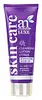
This glycolic acid cream cleanser is formulated around Glycolic Acid to exfoliate and smooth skin.
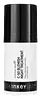
This acne treatment is formulated around Sodium Ascorbyl Phosphate and Salicylic Acid to clear breakouts and refine skin texture.


What's inside
What's inside
 Key Ingredients
Benefits
Concerns
Ingredients Side-by-side
Water
Skin ConditioningPropanediol
Solvent

Cetearyl Alcohol
Emollient






Lactobacillus Ferment
Skin Conditioning
Glycerin
Humectant
Glycolic Acid
Buffering









Xylitylglucoside
Humectant
Ceteareth-20
Cleansing
Hydroxyethylcellulose
Emulsion StabilisingButyrospermum Parkii Butter
Skin Conditioning
Ethylhexylglycerin
Skin ConditioningAnhydroxylitol
Humectant
Sodium Hydroxide
BufferingLactobacillus
Skin ConditioningAnthemis Nobilis Flower Oil
Masking



Citrus Aurantium Amara Leaf/Twig Extract
Skin ConditioningXylitol
Humectant
Cocos Nucifera Fruit Extract
Emollient
Helianthus Annuus Seed Oil
Emollient
Citrus Grandis Fruit Extract
Astringent
Citrus Aurantium Amara Flower Extract
RefreshingSodium Phytate
ChelatingCrocus Sativus Flower Extract
MaskingAloe Barbadensis Leaf Juice
Skin Conditioning
Sodium Hyaluronate
Humectant
Alcohol
Antimicrobial

Water, Propanediol, Cetearyl Alcohol, Lactobacillus Ferment, Glycerin, Glycolic Acid, Xylitylglucoside, Ceteareth-20, Hydroxyethylcellulose, Butyrospermum Parkii Butter, Ethylhexylglycerin, Anhydroxylitol, Sodium Hydroxide, Lactobacillus, Anthemis Nobilis Flower Oil, Citrus Aurantium Amara Leaf/Twig Extract, Xylitol, Cocos Nucifera Fruit Extract, Helianthus Annuus Seed Oil, Citrus Grandis Fruit Extract, Citrus Aurantium Amara Flower Extract, Sodium Phytate, Crocus Sativus Flower Extract, Aloe Barbadensis Leaf Juice, Sodium Hyaluronate, Alcohol
Water
Skin ConditioningPropanediol
Solvent
Sodium Ascorbyl Phosphate
Antioxidant

Salicylic Acid
Masking

Ammonium Acryloyldimethyltaurate/Vp Copolymer
Phenoxyethanol
Preservative
Caprylyl/Capryl Glucoside
CleansingXanthan Gum
EmulsifyingGlycerin
Humectant
Sodium Hydroxide
BufferingMadecassoside
Antioxidant
Ethylhexylglycerin
Skin ConditioningHydroxyacetophenone
Antioxidant
Sodium Gluconate
ChelatingSodium Metabisulfite
Antioxidant
Lecithin
Emollient
Ascorbyl Palmitate
Antioxidant
Nelumbo Nucifera Flower Extract
Skin ConditioningNymphaea Coerulea Flower Extract
Skin ConditioningTocopherol
Antioxidant
Helianthus Annuus Seed Oil
Emollient
Water, Propanediol, Sodium Ascorbyl Phosphate, Salicylic Acid, Ammonium Acryloyldimethyltaurate/Vp Copolymer, Phenoxyethanol, Caprylyl/Capryl Glucoside, Xanthan Gum, Glycerin, Sodium Hydroxide, Madecassoside, Ethylhexylglycerin, Hydroxyacetophenone, Sodium Gluconate, Sodium Metabisulfite, Lecithin, Ascorbyl Palmitate, Nelumbo Nucifera Flower Extract, Nymphaea Coerulea Flower Extract, Tocopherol, Helianthus Annuus Seed Oil
Reviews
Ingredients Explained
These ingredients are found in both products.
Ingredients higher up in an ingredient list are typically present in a larger amount.
Ethylhexylglycerin is created from glycerin. It is a multitasker ingredient that:
The CIR Expert Panel found minimal skin absorption or sensitization of any kind in a safety assessment. Though this ingredient is considered well-tolerated, a small number of cases of allergic dermatitis have been published since 2002. Just be sure to patch test if you are unsure.
Industry-reported use ranges from 8% in rinse-off products and 2% in leave-on formulations.
Learn more about EthylhexylglycerinGlycerin (or glycerol) is a compound naturally found in your skin. It's a powerhouse humectant that pulls water into the stratum corneum.
Topically, glycerin does several things at once:
Your skin makes glycerin on its own (mostly from sebaceous oil breakdown) and shuttles it to your outermost layer of skin, or your epidermis, via aquaporin-3.
Aquaporin-3 is a transporter that is essential for normal skin hydration, elasticity, and repair. Interestingly, mice lacking in AQP3 have dry and less elastic skin that can be fully corrected with glycerin.
This ingredient is non-irritating, plays well with almost every ingredient, and works across all skin types. Typical use is anywhere between 3-10% but can go up to 79% in some leave-on products.
Just know very high concentrations (>40%) can feel tacky in low humidity.
Glycerin is the name for this ingredient in American English. British English uses Glycerol/Glycerine.
Learn more about GlycerinHelianthus Annuus Seed Oil is a plant oil derived from the seeds of a sunflower.
It is rich in fatty acids, primarily linoleic acid and oleic acid. This gives it emollient and skin conditioning properties.
The reason this ingredient is so effective is because it forms a thin film on the skin that reduces transepidermal water loss (TEWL) while supplying linoleic acid to the stratum corneum to improve barrier strength.
The high linoleic acid content is particularly noteworthy for acne-prone skin.
Research suggests that acne-prone skin tends to be deficient in linoleic acid in sebum. Topical application may help replenish this to support a healthier follicular environment and less comedone-promoting sebum.
One randomized study found sunflower seed oil preserved skin barrier integrity in adult volunteers with and without atopic dermatitis (outperforming olive oil).
This ingredient is well-studied, gentle, and an effective emollient suitable for most skin types.
On fungal acne: This ingredient may not be Fungal acne (Malassezia folliculitis) safe. This is because it contains fatty acids with carbon chain lengths in the C11-C24 range.
Learn more about Helianthus Annuus Seed OilPropanediol is an all-star ingredient. It softens, hydrates, and smooths the skin.
It’s often used to:
Propanediol is not likely to cause sensitivity and considered safe to use. It is derived from corn or petroleum with a clear color and no scent.
Learn more about PropanediolSodium Hydroxide is also known as lye or caustic soda. It is used to adjust the pH of products; many ingredients require a specific pH to be effective.
In small amounts, sodium hydroxide is considered safe to use. However, large amounts may cause chemical burns due to its high alkaline.
Your skin has a natural pH and acid mantle. This acid mantle helps prevent harmful bacteria from breaking through. The acid mantle also helps keep your skin hydrated.
"Alkaline" refers to a high pH level. A low pH level would be considered acidic.
Learn more about Sodium HydroxideWater. It's the most common cosmetic ingredient of all. You'll usually see it at the top of ingredient lists, meaning that it makes up the largest part of the product.
So why is it so popular? Water most often acts as a solvent - this means that it helps dissolve other ingredients into the formulation.
You'll also recognize water as that liquid we all need to stay alive. If you see this, drink a glass of water. Remember to stay hydrated!
Learn more about Water

