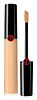
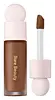
Armani Beauty Power Fabric + Longwear Matte Concealer Versus Rare Beauty Liquid Touch Brightening Concealer


What's inside
What's inside
 Key Ingredients
Benefits
Concerns
Ingredients Side-by-side
Water
Skin ConditioningUndecane
EmollientDimethicone
Emollient

Glycerin
Humectant

Tridecane
Perfuming

Polyglyceryl-4 Isostearate
Emulsifying

Pentylene Glycol
Skin Conditioning
Cetyl PEG/PPG-10/1 Dimethicone
Emulsifying
Hexyl Laurate
Emollient
Magnesium Sulfate
Disteardimonium Hectorite
StabilisingTocopherol
Antioxidant





Acetylated Glycol Stearate
Emollient
Ethylhexylglycerin
Skin ConditioningTrihydroxystearin
Skin Conditioning
Cellulose Gum
Emulsion StabilisingHelianthus Annuus Seed Oil
Emollient
Pentaerythrityl Tetra-Di-T-Butyl Hydroxyhydrocinnamate
Antioxidant
Isobutane
Acrylonitrile/Methyl Methacrylate/Vinylidene Chloride Copolymer
Disodium Stearoyl Glutamate
CleansingAluminum Hydroxide
EmollientCI 77891
Cosmetic ColorantCI 77491
Cosmetic ColorantCI 77492
Cosmetic ColorantCI 77499
Cosmetic ColorantWater, Undecane, Dimethicone, Glycerin, Tridecane, Polyglyceryl-4 Isostearate, Pentylene Glycol, Cetyl PEG/PPG-10/1 Dimethicone, Hexyl Laurate, Magnesium Sulfate, Disteardimonium Hectorite, Tocopherol, Acetylated Glycol Stearate, Ethylhexylglycerin, Trihydroxystearin, Cellulose Gum, Helianthus Annuus Seed Oil, Pentaerythrityl Tetra-Di-T-Butyl Hydroxyhydrocinnamate, Isobutane, Acrylonitrile/Methyl Methacrylate/Vinylidene Chloride Copolymer, Disodium Stearoyl Glutamate, Aluminum Hydroxide, CI 77891, CI 77491, CI 77492, CI 77499
Water
Skin ConditioningDimethicone
Emollient
Hydrogenated Didecene
Skin ConditioningCetyl PEG/PPG-10/1 Dimethicone
Emulsifying
Propanediol
Solvent
Glycerin
Humectant
Acrylates/Polytrimethylsiloxymethacrylate Copolymer
Skin ConditioningBoron Nitride
Absorbent
Polyglyceryl-4 Isostearate
Emulsifying
Trimethylsiloxysilicate
Emollient
Isododecane
EmollientDisodium Stearoyl Glutamate
CleansingDisteardimonium Hectorite
StabilisingHydroxyacetophenone
Antioxidant
Oryza Sativa Bran Wax
Skin Conditioning
Sodium Chloride
MaskingDimethicone Crosspolymer
Emulsion Stabilising
Helianthus Annuus Seed Oil
Emollient
Caprylyl Glycol
Emollient
1,2-Hexanediol
Skin Conditioning
Phenyl Trimethicone
Skin Conditioning
Tocopheryl Acetate
Antioxidant
Aluminum Hydroxide
EmollientTrisodium Ethylenediamine Disuccinate
ChelatingDimethiconol
Emollient
Decyl Glucoside
Cleansing
Gardenia Florida Fruit Extract
Skin ConditioningHexylene Glycol
EmulsifyingNelumbo Nucifera Flower Extract
Skin ConditioningNymphaea Odorata Root Extract
RefreshingPhenoxyethanol
Preservative
CI 77891
Cosmetic ColorantIron Oxides
Water, Dimethicone, Hydrogenated Didecene, Cetyl PEG/PPG-10/1 Dimethicone, Propanediol, Glycerin, Acrylates/Polytrimethylsiloxymethacrylate Copolymer, Boron Nitride, Polyglyceryl-4 Isostearate, Trimethylsiloxysilicate, Isododecane, Disodium Stearoyl Glutamate, Disteardimonium Hectorite, Hydroxyacetophenone, Oryza Sativa Bran Wax, Sodium Chloride, Dimethicone Crosspolymer, Helianthus Annuus Seed Oil, Caprylyl Glycol, 1,2-Hexanediol, Phenyl Trimethicone, Tocopheryl Acetate, Aluminum Hydroxide, Trisodium Ethylenediamine Disuccinate, Dimethiconol, Decyl Glucoside, Gardenia Florida Fruit Extract, Hexylene Glycol, Nelumbo Nucifera Flower Extract, Nymphaea Odorata Root Extract, Phenoxyethanol, CI 77891, Iron Oxides
Reviews
Ingredients Explained
These ingredients are found in both products.
Ingredients higher up in an ingredient list are typically present in a larger amount.
Aluminum Hydroxide is a form of aluminum. It can be naturally found in nature as the mineral gibbsite. In cosmetics, Aluminum Hydroxide is used as a colorant, pH adjuster, and absorbent.
As a colorant, Aluminum Hydroxide may add opacity, or reduce the transparency. Aluminum hydroxide is contains both basic and acidic properties.
According to manufacturers, this ingredient is an emollient and humectant. This means it helps hydrate the skin.
In medicine, this ingredient is used to help relieve heartburn and help heal ulcers.
There is currently no credible scientific evidence linking aluminum hydroxide in cosmetics to increased cancer risk.
Major health organizations allow the use of aluminum hydroxide in personal care products and have not flagged it as a carcinogenic risk at typical usage levels.
Learn more about Aluminum HydroxideThis ingredient is a silicone-based emulsifer that helps the water and oil phases play nicely together.
It's pretty effective because one end of the molecule loves oil and the other one loves water.
Besides holding formulas together, it also leaves a silky and lightweight feel on skin without the greasiness. A manufacturer also claims it can help with the controlled release of active ingredients.
The CIR Expert Panel found this ingredient to not be sensitizing in concentrations up to 15% in human maximazation testing and dimethicone-based compounds were not comedogenic.
It has a high molecular weight well above 1,000 g/mol which means it limits meaningful skin penetration.
A 2019 study specifically tested this ingredient and found no observable Malassezia growth in its presence.
Learn more about Cetyl PEG/PPG-10/1 DimethiconeCi 77891 is a white pigment from Titanium dioxide. It is naturally found in minerals such as rutile and ilmenite.
It's main function is to add a white color to cosmetics. It can also be mixed with other colors to create different shades.
Ci 77891 is commonly found in sunscreens due to its ability to block UV rays.
Learn more about CI 77891Dimethicone is a type of synthetic silicone created from natural materials such as quartz. It is also known as polydimethylsiloxane.
What it does:
Dimethicone comes in different viscosities:
Depending on the viscosity, dimethicone has different properties.
Ingredients lists don't always show which type is used, so we recommend reaching out to the brand if you have questions about the viscosity.
This ingredient is unlikely to cause irritation because it does not get absorbed into skin. However, people with silicone allergies should be careful about using this ingredient.
Note: Dimethicone may contribute to pilling. This is because it is not oil or water soluble, so pilling may occur when layered with products. When mixed with heavy oils in a formula, the outcome is also quite greasy.
Learn more about DimethiconeDSG is used as a surfactant.
Surfactants are cleansing ingredients that help remove oil, dirt, and other impurities from the skin. They work by reducing surface tension between water and oils/dirt to allow them to be easily rinsed away.
Disteardimonium Hectorite comes from the clay mineral named hectorite. It is used to add thickness to a product.
It can also help stabilize a product by helping to disperse other ingredients.
Hectorite is a rare, white clay mineral.
Learn more about Disteardimonium HectoriteGlycerin (or glycerol) is a compound naturally found in your skin. It's a powerhouse humectant that pulls water into the stratum corneum.
Topically, glycerin does several things at once:
Your skin makes glycerin on its own (mostly from sebaceous oil breakdown) and shuttles it to your outermost layer of skin, or your epidermis, via aquaporin-3.
Aquaporin-3 is a transporter that is essential for normal skin hydration, elasticity, and repair. Interestingly, mice lacking in AQP3 have dry and less elastic skin that can be fully corrected with glycerin.
This ingredient is non-irritating, plays well with almost every ingredient, and works across all skin types. Typical use is anywhere between 3-10% but can go up to 79% in some leave-on products.
Just know very high concentrations (>40%) can feel tacky in low humidity.
Glycerin is the name for this ingredient in American English. British English uses Glycerol/Glycerine.
Learn more about GlycerinHelianthus Annuus Seed Oil is a plant oil derived from the seeds of a sunflower.
It is rich in fatty acids, primarily linoleic acid and oleic acid. This gives it emollient and skin conditioning properties.
The reason this ingredient is so effective is because it forms a thin film on the skin that reduces transepidermal water loss (TEWL) while supplying linoleic acid to the stratum corneum to improve barrier strength.
The high linoleic acid content is particularly noteworthy for acne-prone skin.
Research suggests that acne-prone skin tends to be deficient in linoleic acid in sebum. Topical application may help replenish this to support a healthier follicular environment and less comedone-promoting sebum.
One randomized study found sunflower seed oil preserved skin barrier integrity in adult volunteers with and without atopic dermatitis (outperforming olive oil).
This ingredient is well-studied, gentle, and an effective emollient suitable for most skin types.
On fungal acne: This ingredient may not be Fungal acne (Malassezia folliculitis) safe. This is because it contains fatty acids with carbon chain lengths in the C11-C24 range.
Learn more about Helianthus Annuus Seed OilPolyglyceryl-4 Isostearate is a plant-derived, PEG-free emulsifier.
It's made by hooking isostearic acid onto a chain of glycerin units to give it a water-loving "head" and oil-loving "tail". This allows it to keep the oil and water mixed in a formula.
The highest reported concentration is about 24% in eye makeup but most suppliers recommend a level below 10%.
It has a clean track record for safety and found to be non-irritating.
Because it is an ester of a C18 fatty acid, Malassezia can potentially metabolize it (it sits in the C11-24 range that Malassezia likes). Therefore, this ingredient may not be fungal acne safe.
Learn more about Polyglyceryl-4 IsostearateWater. It's the most common cosmetic ingredient of all. You'll usually see it at the top of ingredient lists, meaning that it makes up the largest part of the product.
So why is it so popular? Water most often acts as a solvent - this means that it helps dissolve other ingredients into the formulation.
You'll also recognize water as that liquid we all need to stay alive. If you see this, drink a glass of water. Remember to stay hydrated!
Learn more about Water

