
What's inside
What's inside
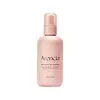 Key Ingredients
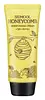
Benefits
Ingredients Side-by-side
Water
Skin ConditioningGlycerin
Humectant


Niacinamide
Smoothing









Caprylic/Capric Triglyceride
Masking
1,2-Hexanediol
Skin Conditioning
Cetyl Ethylhexanoate
EmollientPropanediol
Solvent
C14-22 Alcohols
Emulsion Stabilising
Glyceryl Stearate
Emollient
Carbomer
Emulsion StabilisingC12-20 Alkyl Glucoside
EmulsifyingTromethamine
BufferingAdenosine
Skin Conditioning
Eclipta Prostrata Extract
Skin ConditioningButylene Glycol
Humectant
Betaine
Humectant
Melia Azadirachta Leaf Extract
Skin ConditioningAvena Sativa Kernel Extract
Abrasive

Moringa Oleifera Seed Oil
Emollient
Polyglyceryl-10 Laurate
Skin Conditioning
Hydrolyzed Collagen
Emollient
Hydrolyzed Extensin
Skin ConditioningBeta-Glucan
Skin Conditioning
Cornus Officinalis Fruit Extract
Skin ConditioningPrunus Serotina Fruit Extract
MaskingPunica Granatum Fruit Extract
Antioxidant
Rubus Idaeus Fruit Extract
AstringentVaccinium Macrocarpon Fruit Extract
AstringentEthylhexylglycerin
Skin ConditioningTripeptide-1
Skin Conditioning
Palmitoyl Pentapeptide-4
Skin Conditioning
Palmitoyl Tripeptide-1
Skin Conditioning
Acetyl Tetrapeptide-2
Skin Conditioning
Acetyl Tetrapeptide-5
Humectant
Copper Tripeptide-1
Skin Conditioning
Hexapeptide-11
Skin Conditioning
Hexapeptide-9
Skin Conditioning
Palmitoyl Tripeptide-5
Skin Conditioning
Water, Glycerin, Niacinamide, Caprylic/Capric Triglyceride, 1,2-Hexanediol, Cetyl Ethylhexanoate, Propanediol, C14-22 Alcohols, Glyceryl Stearate, Carbomer, C12-20 Alkyl Glucoside, Tromethamine, Adenosine, Eclipta Prostrata Extract, Butylene Glycol, Betaine, Melia Azadirachta Leaf Extract, Avena Sativa Kernel Extract, Moringa Oleifera Seed Oil, Polyglyceryl-10 Laurate, Hydrolyzed Collagen, Hydrolyzed Extensin, Beta-Glucan, Cornus Officinalis Fruit Extract, Prunus Serotina Fruit Extract, Punica Granatum Fruit Extract, Rubus Idaeus Fruit Extract, Vaccinium Macrocarpon Fruit Extract, Ethylhexylglycerin, Tripeptide-1, Palmitoyl Pentapeptide-4, Palmitoyl Tripeptide-1, Acetyl Tetrapeptide-2, Acetyl Tetrapeptide-5, Copper Tripeptide-1, Hexapeptide-11, Hexapeptide-9, Palmitoyl Tripeptide-5
Honey Extract
Humectant
Propolis Extract
Skin Conditioning
Glycerin
Humectant
Butylene Glycol
Humectant
1,2-Hexanediol
Skin Conditioning
Trehalose
Humectant
Hydrogenated Lecithin
Emulsifying
Bioflavonoids
Skin ConditioningPortulaca Oleracea Extract
Skin Conditioning
Crinum Asiaticum Extract
Skin ConditioningMorus Alba Bark Extract
Skin ConditioningSaururus Chinensis Extract
Skin ConditioningHippophae Rhamnoides Fruit Extract
Skin Conditioning
Glycyrrhiza Glabra Root Extract
Bleaching
Sodium Hyaluronate
Humectant
Hyaluronic Acid
Humectant
Biosaccharide Gum-1
Humectant
Heptyl Undecylenate
EmollientEthylhexylglycerin
Skin ConditioningCaprylic/Capric Triglyceride
Masking
Tocopherol
Antioxidant
Allantoin
Skin Conditioning
Dipotassium Glycyrrhizate
Humectant
Honey Extract, Propolis Extract, Glycerin, Butylene Glycol, 1,2-Hexanediol, Trehalose, Hydrogenated Lecithin, Bioflavonoids, Portulaca Oleracea Extract, Crinum Asiaticum Extract, Morus Alba Bark Extract, Saururus Chinensis Extract, Hippophae Rhamnoides Fruit Extract, Glycyrrhiza Glabra Root Extract, Sodium Hyaluronate, Hyaluronic Acid, Biosaccharide Gum-1, Heptyl Undecylenate, Ethylhexylglycerin, Caprylic/Capric Triglyceride, Tocopherol, Allantoin, Dipotassium Glycyrrhizate
Ingredients Explained
These ingredients are found in both products.
Ingredients higher up in an ingredient list are typically present in a larger amount.
1,2-Hexanediol is a synthetic liquid and another multi-functional powerhouse.
It is a:
- Humectant, drawing moisture into the skin
- Emollient, helping to soften skin
- Solvent, dispersing and stabilizing formulas
- Preservative booster, enhancing the antimicrobial activity of other preservatives
Butylene Glycol (or BG) is used within cosmetic products for a few different reasons:
Overall, Butylene Glycol is a safe and well-rounded ingredient that works well with other ingredients.
Though this ingredient works well with most skin types, some people with sensitive skin may experience a reaction such as allergic rashes, closed comedones, or itchiness.
Learn more about Butylene GlycolThis ingredient is a lightweight emollient, solvent, and texture enhancer. It is considered a skin-softener by helping the skin prevent moisture loss.
It helps thicken a product's formula and makes it easier to spread by dissolving clumping compounds.
Caprylic Triglyceride is made by combining glycerin with coconut oil, forming a clear liquid. Though it behaves like an oil, it is not technically one due to its chemical composition. It is very stable, resistant to oxidation, and unlikely to go rancid. In practice, that translates to a long shelf life and a consistently elegant skin feel.
While there is an assumption Caprylic Triglyceride can clog pores due to it being derived from coconut oil, there is no research supporting this. Be sure to patch test if you have concerns.
Fractionated coconut oil and MCT Oil are both listed as Caprylic/Capric Triglyceride according to INCI. This is because INCI names are based on the ingredient’s final chemical composition and not its marketing name or source.
Learn more about Caprylic/Capric TriglycerideEthylhexylglycerin is created from glycerin. It is a multitasker ingredient that:
The CIR Expert Panel found minimal skin absorption or sensitization of any kind in a safety assessment. Though this ingredient is considered well-tolerated, a small number of cases of allergic dermatitis have been published since 2002. Just be sure to patch test if you are unsure.
Industry-reported use ranges from 8% in rinse-off products and 2% in leave-on formulations.
Learn more about EthylhexylglycerinGlycerin (or glycerol) is a compound naturally found in your skin. It's a powerhouse humectant that pulls water into the stratum corneum.
Topically, glycerin does several things at once:
Your skin makes glycerin on its own (mostly from sebaceous oil breakdown) and shuttles it to your outermost layer of skin, or your epidermis, via aquaporin-3.
Aquaporin-3 is a transporter that is essential for normal skin hydration, elasticity, and repair. Interestingly, mice lacking in AQP3 have dry and less elastic skin that can be fully corrected with glycerin.
This ingredient is non-irritating, plays well with almost every ingredient, and works across all skin types. Typical use is anywhere between 3-10% but can go up to 79% in some leave-on products.
Just know very high concentrations (>40%) can feel tacky in low humidity.
Glycerin is the name for this ingredient in American English. British English uses Glycerol/Glycerine.
Learn more about Glycerin
