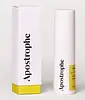
This brightening treatment is formulated around Hydroquinone and Niacinamide to fade the look of dark spots and brighten dull-looking skin.

What's inside
What's inside
 Key Ingredients
Benefits
Concerns
Ingredients Side-by-side



Hydroquinone 12%
Stabilising

Niacinamide 2%
Smoothing










Hydrocortisone 1%
Glycerin
Humectant
Alcohol Denat.
Antimicrobial



Sodium Bisulfate
BufferingBHT
Antioxidant
Acrylates/C12-22 Alkyl Methacrylate Copolymer
Aluminum Starch Octenylsuccinate
Absorbent
Bis-Vinyldimethicone/Bis-Isobutyl PPG-20 Crosspolymer
Emollient
Caprylic/Capric Triglyceride
Masking
Carthamus Tinctorius Seed Oil
Masking

Ceteth-20
CleansingCetyl Alcohol
Emollient
Cyclohexasiloxane
Emollient
Cyclopentasiloxane
Emollient
Dicaprylyl Ether
Emollient
Dimethicone
Emollient
Dimethyl Isosorbide
SolventDisteardimonium Hectorite
StabilisingGlyceryl Stearate
Emollient
Isodecyl Neopentanoate
EmollientIsododecane
EmollientIsopropyl Palmitate
Emollient

Laureth-12
EmulsifyingLecithin
Emollient
Ozokerite
Emulsion StabilisingPEG-75 Stearate
Surfactant
Petrolatum
Emollient
Polysilicone-11
Potassium Sorbate
Preservative
Propylene Carbonate
SolventSilica
Abrasive
Silica Silylate
Emollient
Sodium Lauryl Sulfoacetate
CleansingSorbic Acid
Preservative
Steareth-20
CleansingTitanium Dioxide
Cosmetic Colorant

Triethoxycaprylylsilane
Hydroquinone 12%, Niacinamide 2%, Hydrocortisone 1%, Glycerin, Alcohol Denat., Sodium Bisulfate, BHT, Acrylates/C12-22 Alkyl Methacrylate Copolymer, Aluminum Starch Octenylsuccinate, Bis-Vinyldimethicone/Bis-Isobutyl PPG-20 Crosspolymer, Caprylic/Capric Triglyceride, Carthamus Tinctorius Seed Oil, Ceteth-20, Cetyl Alcohol, Cyclohexasiloxane, Cyclopentasiloxane, Dicaprylyl Ether, Dimethicone, Dimethyl Isosorbide, Disteardimonium Hectorite, Glyceryl Stearate, Isodecyl Neopentanoate, Isododecane, Isopropyl Palmitate, Laureth-12, Lecithin, Ozokerite, PEG-75 Stearate, Petrolatum, Polysilicone-11, Potassium Sorbate, Propylene Carbonate, Silica, Silica Silylate, Sodium Lauryl Sulfoacetate, Sorbic Acid, Steareth-20, Titanium Dioxide, Triethoxycaprylylsilane
Reviews
Ingredients Explained
These ingredients are found in both products.
Ingredients higher up in an ingredient list are typically present in a larger amount.
Caprylic/Capric Triglyceride (aka MCT Oil) is a lightweight emollient, solvent, and texture enhancer. It is considered a skin-softener by helping to prevent moisture loss.
Though it behaves like an oil, it is not technically one due to its chemical composition. One perk of this ingredient is that it is very stable, resistant to oxidation, and unlikely to go rancid.
In practice, that translates to a long shelf life and a consistently elegant skin feel.
While there is an assumption Caprylic Triglyceride can clog pores due to it being derived from coconut oil, there is no research supporting this. Just patch test if you have concerns.
Fractionated coconut oil and MCT Oil are both listed as Caprylic/Capric Triglyceride according to INCI. This is because INCI names are based on the ingredient’s final chemical composition and not its marketing name or source.
This ingredient is treated as the gold standard fungal acne safe oil. Even though it is coconut derived, the problematic lauric acid is stripped out.
This leaves just caprylic (C8) and capric (C10) acid. These chain lengths actually trend antifungal; a 2020 study found caprylic acid was enough to disrupt Malassezia furfur cell membrane, with a caprylic acid derivative damaging membrane structures at concentrations as low as 0.2%.
Learn more about Caprylic/Capric TriglycerideHydroquinone is a classic ingredient dermatologists use to fade dark spots (things like melasma, acne marks, sun spots, and freckles).
It works in two ways:
1. By blocking an enzyme called tyrosinase; your skin uses this to make melanin, or the pigment that causes dark spots.
2. By interfering with the pigment making cells themselves so less pigment shows up over time
Just know this ingredient fades spots near the surface of skin and not the deeper ones. It's usually used at 2-4% / twice a day for 3 months, and ALWAYS with sunscreen.
This ingredient is usually well tolerated with short-term use under medical guidance. But possible reactions include irritation, contact dermatitis, and lightening of the skin around the spot you're treating.
You might hear hydroquinone called "cancer-causing". That concern comes from studies where rats were fed high oral doses; no skin cancer cases have been linked to it after more than 50 years of people putting it on their skin.
Long-term, high-strength, and unsupervised use can lead to a condition called ochronosis. This is where the skin turns blue-grey color and sometimes causes nails to turn dark as well.
The rules around it vary by country.
The EU bans it in regular cosmetics and it is prescription only in the US, EU, Japan, Canada, and Australia. Anything you see on the shelf without a prescription is technically not allowed.
Check out the European alternative to hydroquinone here.
SkinSort would like to remind friends from around the world that all skin tones are beautiful!
Learn more about Hydroquinone

