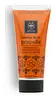
This calming moisturizer is formulated around Propolis Extract and Calendula Officinalis Flower Extract to calm redness and clear breakouts.
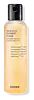
This hydrating toner is formulated around Propolis Extract and Honey Extract to hydrate skin and calm redness.


What's inside
What's inside
 Key Ingredients
Benefits
Concerns
Ingredients Side-by-side
Water
Skin ConditioningPropanediol Dicaprylate
EmollientCetearyl Alcohol
Emollient






Helianthus Annuus Seed Oil
Emollient

Alcohol Denat.
Antimicrobial


Caprylic/Capric Triglyceride
Masking
Propolis Extract
Skin Conditioning




Glyceryl Stearate
Emollient
PEG-100 Stearate
Surfactant
Butylene Glycol
Humectant
Calendula Officinalis Flower Extract
Masking
Hypericum Perforatum Flower/Leaf/Stem Extract
Skin ConditioningPrunella Vulgaris Flower/Leaf/Stem Extract
Skin ProtectingAmmonium Glycyrrhizate
MaskingPanthenol
Skin Conditioning
PEG-20 Stearate
Emulsifying
Phenoxyethanol
Preservative
Carbomer
Emulsion StabilisingEthylhexylglycerin
Skin ConditioningCaprylyl Glycol
Emollient
Tocopherol
Antioxidant




Sodium Hydroxide
BufferingSodium Phytate
ChelatingRetinyl Palmitate
Skin Conditioning
Arachis Hypogaea Oil
Skin Conditioning
Pelargonium Graveolens Flower Oil
Masking

Melaleuca Alternifolia Leaf Oil
Antioxidant
Water, Propanediol Dicaprylate, Cetearyl Alcohol, Helianthus Annuus Seed Oil, Alcohol Denat., Caprylic/Capric Triglyceride, Propolis Extract, Glyceryl Stearate, PEG-100 Stearate, Butylene Glycol, Calendula Officinalis Flower Extract, Hypericum Perforatum Flower/Leaf/Stem Extract, Prunella Vulgaris Flower/Leaf/Stem Extract, Ammonium Glycyrrhizate, Panthenol, PEG-20 Stearate, Phenoxyethanol, Carbomer, Ethylhexylglycerin, Caprylyl Glycol, Tocopherol, Sodium Hydroxide, Sodium Phytate, Retinyl Palmitate, Arachis Hypogaea Oil, Pelargonium Graveolens Flower Oil, Melaleuca Alternifolia Leaf Oil
Propolis Extract
Skin Conditioning
Honey Extract
Humectant
Butylene Glycol
Humectant
1,2-Hexanediol
Skin Conditioning
Glycerin
Humectant
Betaine
Humectant
Cassia Obtusifolia Seed Extract
Skin ConditioningPanthenol
Skin Conditioning
Polyglyceryl-10 Laurate
Skin Conditioning
Polyglyceryl-10 Myristate
Skin Conditioning
Ethylhexylglycerin
Skin ConditioningSodium Hyaluronate
Humectant
Hydroxyethyl Acrylate/Sodium Acryloyldimethyl Taurate Copolymer
Emulsion StabilisingCaprylic/Capric Triglyceride
Masking
Propolis Extract, Honey Extract, Butylene Glycol, 1,2-Hexanediol, Glycerin, Betaine, Cassia Obtusifolia Seed Extract, Panthenol, Polyglyceryl-10 Laurate, Polyglyceryl-10 Myristate, Ethylhexylglycerin, Sodium Hyaluronate, Hydroxyethyl Acrylate/Sodium Acryloyldimethyl Taurate Copolymer, Caprylic/Capric Triglyceride
Reviews
Ingredients Explained
These ingredients are found in both products.
Ingredients higher up in an ingredient list are typically present in a larger amount.
Butylene Glycol (or BG) is used within cosmetic products for a few different reasons:
Overall, Butylene Glycol is a safe and well-rounded ingredient that works well with other ingredients.
Though this ingredient works well with most skin types, some people with sensitive skin may experience a reaction such as allergic rashes, closed comedones, or itchiness.
Learn more about Butylene GlycolCaprylic/Capric Triglyceride (aka MCT Oil) is a lightweight emollient, solvent, and texture enhancer. It is considered a skin-softener by helping to prevent moisture loss.
Though it behaves like an oil, it is not technically one due to its chemical composition. One perk of this ingredient is that it is very stable, resistant to oxidation, and unlikely to go rancid.
In practice, that translates to a long shelf life and a consistently elegant skin feel.
While there is an assumption Caprylic Triglyceride can clog pores due to it being derived from coconut oil, there is no research supporting this. Just patch test if you have concerns.
Fractionated coconut oil and MCT Oil are both listed as Caprylic/Capric Triglyceride according to INCI. This is because INCI names are based on the ingredient’s final chemical composition and not its marketing name or source.
This ingredient is treated as the gold standard fungal acne safe oil. Even though it is coconut derived, the problematic lauric acid is stripped out.
This leaves just caprylic (C8) and capric (C10) acid. These chain lengths actually trend antifungal; a 2020 study found caprylic acid was enough to disrupt Malassezia furfur cell membrane, with a caprylic acid derivative damaging membrane structures at concentrations as low as 0.2%.
Learn more about Caprylic/Capric TriglycerideEthylhexylglycerin is created from glycerin. It is a multitasker ingredient that:
The CIR Expert Panel found minimal skin absorption or sensitization of any kind in a safety assessment. Though this ingredient is considered well-tolerated, a small number of cases of allergic dermatitis have been published since 2002. Just be sure to patch test if you are unsure.
Industry-reported use ranges from 8% in rinse-off products and 2% in leave-on formulations.
Learn more about EthylhexylglycerinPanthenol is a common ingredient that helps hydrate and soothe the skin. It is found naturally in our skin and hair.
There are two forms of panthenol: D and L.
D-panthenol is also known as dexpanthenol. Most cosmetics use dexpanthenol or a mixture of D and L-panthenol.
Panthenol is famous due to its ability to go deeper into the skin's layers. Using this ingredient has numerous pros (and no cons):
Like hyaluronic acid, panthenol is a humectant. Humectants are able to bind and hold large amounts of water to keep skin hydrated.
This ingredient works well for wound healing. It works by increasing tissue in the wound and helps close open wounds.
Once oxidized, panthenol converts to pantothenic acid. Panthothenic acid is found in all living cells.
This ingredient is also referred to as pro-vitamin B5.
Learn more about PanthenolPropolis Extract is a natural ingredient derived from propolis (also known as bee glue). Bees make propolis by mixing their saliva and beeswax with resins collected from tree buds and plants.
This ingredient is packed with bioactive compounds like flavonoids, phenolic acids, and amino acids that give it antioxidant and anti-inflammatory properties.
Research shows it can help:
It also pairs nicely with hydrating ingredients like niacinamide and ceramides.
Just so you know, Propolis Extract is recognized as a contact allergen. In patch tests done in the EU, roughly 1-6% of patients react to it. Be sure to steer clear of this ingredient if you have a known allergy to bee products.
Since it is an animal-derived product, this ingredient is not considered vegan. For vegan alternatives, check out Galactomyces Ferment Filtrate or Centella Asiatica Extract.
Learn more about Propolis Extract

