Anua Heartleaf 77% Soothing Toner Versus Dr. Jart+ Cicapair Intensive Soothing Repair Treatment Lotion
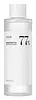
This calming toner is formulated around Houttuynia Cordata Extract and Panthenol to calm redness and hydrate skin.
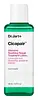
This calming toner is formulated around Panthenol and Centella Asiatica Leaf Extract to calm redness and strengthen the skin barrier.

What's inside
What's inside
 Key Ingredients
No key ingredients
Benefits
Concerns
No concerns
Ingredients Side-by-side
Houttuynia Cordata Extract 77%
Skin Conditioning

Water
Skin Conditioning1,2-Hexanediol
Skin Conditioning
Glycerin
Humectant

Betaine
Humectant
Panthenol
Skin Conditioning
Saccharum Officinarum Extract
MoisturisingPortulaca Oleracea Extract
Skin Conditioning
Butylene Glycol
Humectant
Vitex Agnus Castus Extract
AstringentChamomilla Recutita Flower Extract
Masking
Arctium Lappa Root Extract
Skin Conditioning
Phellinus Linteus Extract
Skin ConditioningVitis Vinifera Fruit Extract
Skin ConditioningPyrus Malus Fruit Extract
Skin Conditioning
Centella Asiatica Extract
Cleansing

Isopentyldiol
Humectant
Methylpropanediol
SolventAcrylates/C10-30 Alkyl Acrylate Crosspolymer
Emulsion StabilisingTromethamine
BufferingDisodium EDTA
ChelatingHouttuynia Cordata Extract 77%, Water, 1,2-Hexanediol, Glycerin, Betaine, Panthenol, Saccharum Officinarum Extract, Portulaca Oleracea Extract, Butylene Glycol, Vitex Agnus Castus Extract, Chamomilla Recutita Flower Extract, Arctium Lappa Root Extract, Phellinus Linteus Extract, Vitis Vinifera Fruit Extract, Pyrus Malus Fruit Extract, Centella Asiatica Extract, Isopentyldiol, Methylpropanediol, Acrylates/C10-30 Alkyl Acrylate Crosspolymer, Tromethamine, Disodium EDTA
Water
Skin ConditioningPropanediol
Solvent
Dipropylene Glycol
Humectant1,2-Hexanediol
Skin Conditioning
Glycerin
Humectant
Methylpropanediol
SolventBetaine
Humectant
Allantoin
Skin Conditioning
Panthenol
Skin Conditioning
Ethylhexylglycerin
Skin ConditioningSodium Hyaluronate
Humectant
Butylene Glycol
Humectant
Polyglyceryl-4 Oleate
Emulsifying

Centella Asiatica Leaf Extract
Skin Conditioning
Sodium Stearoyl Glutamate
CleansingAsiaticoside
Antioxidant
Madecassic Acid
Skin Conditioning
Asiatic Acid
Skin Conditioning
Palmitoyl Tripeptide-8
Skin Conditioning

Xanthan Gum
EmulsifyingSodium Surfactin
CleansingIsopentyldiol
Humectant
Dextran
Tocopherol
Antioxidant


Water, Propanediol, Dipropylene Glycol, 1,2-Hexanediol, Glycerin, Methylpropanediol, Betaine, Allantoin, Panthenol, Ethylhexylglycerin, Sodium Hyaluronate, Butylene Glycol, Polyglyceryl-4 Oleate, Centella Asiatica Leaf Extract, Sodium Stearoyl Glutamate, Asiaticoside, Madecassic Acid, Asiatic Acid, Palmitoyl Tripeptide-8, Xanthan Gum, Sodium Surfactin, Isopentyldiol, Dextran, Tocopherol
Reviews
Ingredients Explained
These ingredients are found in both products.
Ingredients higher up in an ingredient list are typically present in a larger amount.
1,2-Hexanediol is a synthetic liquid and another multi-functional powerhouse.
It is a:
- Humectant, drawing moisture into the skin
- Emollient, helping to soften skin
- Solvent, dispersing and stabilizing formulas
- Preservative booster, enhancing the antimicrobial activity of other preservatives
Betaine is a humectant. Like hyaluronic acid, it helps attract and retain moisture in the skin. It’s known for being gentle and for helping the skin maintain balanced hydration.
Betaine is mainly used to improve hydration and support calmer skin. It helps skin cells regulate water balance because it functions as an osmolyte.
Some studies suggest betaine may support making skin tone more even.
Fun fact: Betaine naturally exists in the skin and the body. In cosmetic products, it can be either plant-derived (most commonly from sugar beets) or synthetically produced for consistency and stability.
Betaine is also known as trimethylglycine.
Learn more about BetaineButylene Glycol (or BG) is used within cosmetic products for a few different reasons:
Overall, Butylene Glycol is a safe and well-rounded ingredient that works well with other ingredients.
Though this ingredient works well with most skin types, some people with sensitive skin may experience a reaction such as allergic rashes, closed comedones, or itchiness.
Learn more about Butylene GlycolGlycerin (or glycerol) is a compound naturally found in your skin. It's a powerhouse humectant that pulls water into the stratum corneum.
Topically, glycerin does several things at once:
Your skin makes glycerin on its own (mostly from sebaceous oil breakdown) and shuttles it to your outermost layer of skin, or your epidermis, via aquaporin-3.
Aquaporin-3 is a transporter that is essential for normal skin hydration, elasticity, and repair. Interestingly, mice lacking in AQP3 have dry and less elastic skin that can be fully corrected with glycerin.
This ingredient is non-irritating, plays well with almost every ingredient, and works across all skin types. Typical use is anywhere between 3-10% but can go up to 79% in some leave-on products.
Just know very high concentrations (>40%) can feel tacky in low humidity.
Glycerin is the name for this ingredient in American English. British English uses Glycerol/Glycerine.
Learn more about GlycerinIsopentyldiol is a synthetic solvent, humectant, and emollient.
Humectants have the ability to attract and hold water while emollients create a thin film to prevent water from evaporating. This combination keeps your skin and hair soft and hydrated. Plus, isopentyldiol does not leave a sticky feeling behind.
As a surfactant, isopentyldiol is a hydrotrope. Hydrotropes help surfactants (cleansing agents) dissolve into water.
According to the manufacturer, using this ingredient with sorbitol boosts skin hydration and helps close cuticles of damaged hair.
This ingredient is water-soluble.
Learn more about IsopentyldiolMethylpropanediol is a synthetic solvent and humectant.
As a solvent, it helps dissolve other ingredients, helping to evenly distribute ingredients throughout the product. This ingredient has also been shown to have antimicrobial properties which makes it a preservative booster.
Methylpropanediol is able to add a bit of moisture to the skin. It also helps other ingredients be better absorbed into the skin, such as salicylic acid.
Learn more about MethylpropanediolPanthenol is a common ingredient that helps hydrate and soothe the skin. It is found naturally in our skin and hair.
There are two forms of panthenol: D and L.
D-panthenol is also known as dexpanthenol. Most cosmetics use dexpanthenol or a mixture of D and L-panthenol.
Panthenol is famous due to its ability to go deeper into the skin's layers. Using this ingredient has numerous pros (and no cons):
Like hyaluronic acid, panthenol is a humectant. Humectants are able to bind and hold large amounts of water to keep skin hydrated.
This ingredient works well for wound healing. It works by increasing tissue in the wound and helps close open wounds.
Once oxidized, panthenol converts to pantothenic acid. Panthothenic acid is found in all living cells.
This ingredient is also referred to as pro-vitamin B5.
Learn more about PanthenolWater. It's the most common cosmetic ingredient of all. You'll usually see it at the top of ingredient lists, meaning that it makes up the largest part of the product.
So why is it so popular? Water most often acts as a solvent - this means that it helps dissolve other ingredients into the formulation.
You'll also recognize water as that liquid we all need to stay alive. If you see this, drink a glass of water. Remember to stay hydrated!
Learn more about Water

