
What's inside
What's inside
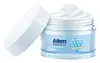 Key Ingredients
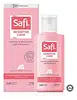
Benefits
Concerns
No concerns
Ingredients Side-by-side
Water
Skin ConditioningNiacinamide
Smoothing











Glycerin
Humectant
Betaine
Humectant
Butylene Glycol
Humectant
Biosaccharide Gum-1
Humectant
Dimethicone
Emollient
Cyclopentasiloxane
Emollient
Carbomer
Emulsion StabilisingCyclohexasiloxane
Emollient
Bisabolol
Antioxidant
Aminomethyl Propanol
BufferingSodium Polyacrylate
Absorbent
Xanthan Gum
EmulsifyingDisodium EDTA
Sodium Hyaluronate
Humectant
Diethylhexyl Syringylidenemalonate
Skin ProtectingTrideceth-6
EmulsifyingPEG/PPG-18/18 Dimethicone
Emulsifying
Alpha-Glucan Oligosaccharide
Cleansing
Caprylic/Capric Triglyceride
Masking
Polymnia Sonchifolia Root Juice
Skin ConditioningMaltodextrin
Absorbent
Aspergillus Ferment
Skin ConditioningZingiber Officinale Root Extract
Masking
Lactobacillus
Skin ConditioningPhenoxyethanol
Preservative
Chlorphenesin
Antimicrobial
Water, Niacinamide, Glycerin, Betaine, Butylene Glycol, Biosaccharide Gum-1, Dimethicone, Cyclopentasiloxane, Carbomer, Cyclohexasiloxane, Bisabolol, Aminomethyl Propanol, Sodium Polyacrylate, Xanthan Gum, Disodium EDTA, Sodium Hyaluronate, Diethylhexyl Syringylidenemalonate, Trideceth-6, PEG/PPG-18/18 Dimethicone, Alpha-Glucan Oligosaccharide, Caprylic/Capric Triglyceride, Polymnia Sonchifolia Root Juice, Maltodextrin, Aspergillus Ferment, Zingiber Officinale Root Extract, Lactobacillus, Phenoxyethanol, Chlorphenesin
Water
Skin ConditioningEthylhexyl Palmitate
Emollient


Glycerin
Humectant
Dipropylene Glycol
HumectantDimethicone
Emollient
Cyclopentasiloxane
Emollient
Cyclohexasiloxane
Emollient
Polyacrylate-13
Methyl Methacrylate Crosspolymer
Ethylhexyl Methoxycinnamate
UV Absorber


Allantoin
Skin Conditioning
Dimethicone Crosspolymer
Emulsion Stabilising
Carbomer
Emulsion StabilisingBisabolol
Antioxidant
Sodium Hydroxide
BufferingDisodium EDTA
Niacinamide
Smoothing
Tocopheryl Acetate
Antioxidant
Alpha-Glucan Oligosaccharide
Cleansing
PEG-7 Glyceryl Cocoate
Emulsifying
Polymnia Sonchifolia Root Juice
Skin ConditioningAloe Barbadensis Leaf Extract
Emollient
Maltodextrin
Absorbent
Ceramide NP
Skin Conditioning
Lactobacillus
Skin ConditioningPhenoxyethanol
Preservative
Chlorphenesin
Antimicrobial
Water, Ethylhexyl Palmitate, Glycerin, Dipropylene Glycol, Dimethicone, Cyclopentasiloxane, Cyclohexasiloxane, Polyacrylate-13, Methyl Methacrylate Crosspolymer, Ethylhexyl Methoxycinnamate, Allantoin, Dimethicone Crosspolymer, Carbomer, Bisabolol, Sodium Hydroxide, Disodium EDTA, Niacinamide, Tocopheryl Acetate, Alpha-Glucan Oligosaccharide, PEG-7 Glyceryl Cocoate, Polymnia Sonchifolia Root Juice, Aloe Barbadensis Leaf Extract, Maltodextrin, Ceramide NP, Lactobacillus, Phenoxyethanol, Chlorphenesin
Reviews
Ingredients Explained
These ingredients are found in both products.
Ingredients higher up in an ingredient list are typically present in a larger amount.
Alpha-Glucan Oligosaccharide is a prebiotic. It prevents harmful bacteria from growing on skin by keeping the skin's microbiome in balance.
Another benefit of this ingredient is its antioxidant properties. Antioxidants protect our skin from oxidative damage.
Bisabolol is a gentle skin conditioner, antioxidant, and soothing ingredient.
It's primary claim to fame is soothing and research shows topically applied bisabolol can quiet the chemical messengers that cause your skin to become inflamed, helping to sooth any irritation.
A clinical study found that applying 0.5% bisabolol daily for 8 weeks produced an average 9% decrease in skin pigmentation. Researchers found it can also suppress the process that leads to excess melanin production in skin.
In vitro studies found that bisabolol combined with propylene glycol significantly increased skin permeability by increasing lipid fluidity in the stratum corneum.
You'll likely see use concentrations quite low, usually 0.1-0.2%.
Overall, this is a well-tolerated ingredient that works well in formulas designed for sensitive, reactive, or post-procedure skin.
Learn more about BisabololCarbomer is a high-molecular weight polymer of acrylic acid. It is used to form gels and thicken formulas.
Due to its large molecular size, carbomer has minimal skin penetration and is considered an inert ingredient.
A high amount of carbomer can cause pilling or balling up of products. Don't worry, most products contain 1% or less of carbomer.
Learn more about CarbomerChlorphenesin is a synthetic preservative. It helps protect a product against bacteria in order to extend shelf life. In most cases, Chlorphenesin is paired with other preservatives such as phenoxyethanol and caprylyl glycol.
Chlorphenesin is a biocide. This means it is able to help fight the microorganisms on our skin. It is also able to fight odor-releasing bacteria.
Chlorphenesin is soluble in both water and glycerin.
Studies show Chlorphenesin is easily absorbed by our skin. You should speak with a skincare professional if you have concerns about using Chlorphenesin.
Learn more about ChlorphenesinCyclohexasiloxane is a type of silicone more commonly known as D6. It is an emollient and solvent.
Cyclohexasiloxane is used to evenly distribute ingredients throughout the product. When applied to the skin, Cyclohexasiloxane evaporates and leaves behind a silky feel.
As an emollient, it can help the skin feel soft and hydrated. It is also used to reduce frizz in hair products.
Learn more about CyclohexasiloxaneCyclopentasiloxane, or D5, is a silicone used to improve texture of products and trap moisture.
D5 is considered lightweight and volatile. Volatile means it evaporates quickly after application. Once evaporated, D5 leaves a thin barrier that helps keep skin hydrated.
It is also an emollient. Emollients help soften the skin and prevent water loss. Silicones create a silky texture in products. D5 helps other ingredients become more spreadable.
Studies show D5 is safe to use in skincare products. We recommend speaking with a skincare professional if you have concerns.
Learn more about CyclopentasiloxaneDimethicone is a type of synthetic silicone created from natural materials such as quartz. It is also known as polydimethylsiloxane.
What it does:
Dimethicone comes in different viscosities:
Depending on the viscosity, dimethicone has different properties.
Ingredients lists don't always show which type is used, so we recommend reaching out to the brand if you have questions about the viscosity.
This ingredient is unlikely to cause irritation because it does not get absorbed into skin. However, people with silicone allergies should be careful about using this ingredient.
Note: Dimethicone may contribute to pilling. This is because it is not oil or water soluble, so pilling may occur when layered with products. When mixed with heavy oils in a formula, the outcome is also quite greasy.
Learn more about DimethiconeDisodium EDTA is a chelating agent. It grabs onto and deactivates metal ions that sneak into your products from water, packaging, or air.
This ingredient mainly works behind the scenes and helps with:
On top of that, this ingredient can counteract the effects of hard water by binding to the minerals in it.
One thing worth knowing is that Disodium EDTA has been shown to be a mild penetration enhancer. It can help other ingredients absorb into skin more effectively which can be a double-edged sword (great for actives, but can also make the active too strong if you have sensitive skin).
Clinical patch testing showed no significant skin irritation at typical use concentrations and minimal dermal absorption.
You'll most likely see this ingredient near the end of an ingredient list. It's typically found in concentrations less than 1%.
Learn more about Disodium EDTAGlycerin (or glycerol) is a compound naturally found in your skin. It's a powerhouse humectant that pulls water into the stratum corneum.
Topically, glycerin does several things at once:
Your skin makes glycerin on its own (mostly from sebaceous oil breakdown) and shuttles it to your outermost layer of skin, or your epidermis, via aquaporin-3.
Aquaporin-3 is a transporter that is essential for normal skin hydration, elasticity, and repair. Interestingly, mice lacking in AQP3 have dry and less elastic skin that can be fully corrected with glycerin.
This ingredient is non-irritating, plays well with almost every ingredient, and works across all skin types. Typical use is anywhere between 3-10% but can go up to 79% in some leave-on products.
Just know very high concentrations (>40%) can feel tacky in low humidity.
Glycerin is the name for this ingredient in American English. British English uses Glycerol/Glycerine.
Learn more about GlycerinLactobacillus is a type of bacteria with skin conditioning properties. This ingredient has antibacterial and antifungal properties (that's why we can eat fermented foods).
Learn more about the benefits of lactobacillus ferment here.
Fun Fact: Lactobacillus is used to create wine, yogurt, cheese, sauerkraut, pickles, beer, cider, kimchi, cocoa, kefir.
Learn more about LactobacillusMaltodextrin is a polysaccharide. It is derived from starch such as rice, corn, wheat, or potato starch.
In food, Maltodextrin is used to improve the texture and thicken a product. Due to its structure, it can help create a gel texture. As an emulsion stabilizer, it helps keep the ingredients in a product together.
As a polysaccharide, Maltodextrin has moisturizing properties. Polysaccharides are a type of carbohydrate. The top layer of skin uses polysaccharides to retain water, keeping the skin hydrated.
Maltodextrin is water soluble and has a sweet taste.
Learn more about MaltodextrinNiacinamide is a multitasking form of vitamin B3 that strengthens the skin barrier, reduces pores and dark spots, regulates oil, and improves signs of aging.
And the best part? It's gentle and well-tolerated by most skin types, including sensitive and reactive skin.
You might have heard of "niacin flush", or the reddening of skin that causes itchiness. Niacinamide has not been found to cause this.
In very rare cases, some individuals may not be able to tolerate niacinamide at all or experience an allergic reaction to it.
If you are experiencing flaking, irritation, and dryness with this ingredient, be sure to double check all your products as this ingredient can be found in all categories of skincare.
When incorporating niacinamide into your routine, look out for concentration amounts. Typically, 5% niacinamide provides benefits such as fading dark spots. However, if you have sensitive skin, it is better to begin with a smaller concentration.
When you apply niacinamide to your skin, your body converts it into nicotinamide adenine dinucleotide (NAD). NAD is an essential coenzyme that is already found in your cells as "fuel" and powers countless biological processes.
In your skin, NAD helps repair cell damage, produce new healthy cells, support collagen production, strengthen the skin barrier, and fight environmental stressors (like UV and pollution).
Our natural NAD levels start to decline with age, leading to slower skin repair, visible aging, and a weaker skin barrier. By providing your skin niacinamide, you're recharging your skin's NAD levels. This leads to stronger, healthier, and younger looking skin.
Another name for vitamin B3 is nicotinamide. This vitamin is water-soluble and our bodies don't store it. We obtain Vitamin B3 from either food or skincare. Meat, fish, wheat, yeast, and leafy greens contain vitamin B3.
The type of niacinamide used in skincare is synthetically created.
Learn more about NiacinamidePhenoxyethanol is a preservative that has germicide, antimicrobial, and aromatic properties. Studies show that phenoxyethanol can prevent microbial growth. By itself, it has a scent that is similar to that of a rose.
It's often used in formulations along with Caprylyl Glycol to preserve the shelf life of products.
Polymnia Sonchifolia Root Juice comes from the roots of the Yacon plant native to South America. It is a skin conditioning ingredient that helps keep skin feeling soft and hydrated.
Yacon roots are naturally loaded with fructooligosaccharides (FOS), a type of prebiotic sugar. Prebiotics like FOS help feed the "good" bacteria on your skin to support a healthy and balanced environment.
This root juice also contains antioxidant compounds (like chlorogenic acid and caffeic acid).
Just so you know, Yacon belongs to the daisy family so be sure to patch test if you have a known allergy to plants in that family.
Learn more about Polymnia Sonchifolia Root JuiceWater. It's the most common cosmetic ingredient of all. You'll usually see it at the top of ingredient lists, meaning that it makes up the largest part of the product.
So why is it so popular? Water most often acts as a solvent - this means that it helps dissolve other ingredients into the formulation.
You'll also recognize water as that liquid we all need to stay alive. If you see this, drink a glass of water. Remember to stay hydrated!
Learn more about Water
