
What's inside
What's inside
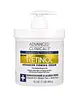 Key Ingredients
Benefits
Concerns
Ingredients Side-by-side
Water
Skin ConditioningParaffinum Liquidum
Emollient

Cetearyl Alcohol
Emollient



Glyceryl Stearate Se
Emulsifying
Butylene Glycol Myristate
EmollientGlycerin
Humectant


Ceteareth-20
CleansingCaprylic/Capric Triglyceride
Masking
Retinol
Skin Conditioning








Tocopherol
Antioxidant


Anthemis Nobilis Flower Extract
Masking

Camellia Sinensis Leaf Extract
Antimicrobial
Aloe Barbadensis Leaf Juice Powder
Skin Conditioning
Phenoxyethanol
Preservative
Caprylyl Glycol
Emollient
Acrylates/C10-30 Alkyl Acrylate Crosspolymer
Emulsion StabilisingTetrasodium Glutamate Diacetate
Sodium Hydroxide
BufferingIodopropynyl Butylcarbamate
Preservative
BHT
Antioxidant
Water, Paraffinum Liquidum, Cetearyl Alcohol, Glyceryl Stearate Se, Butylene Glycol Myristate, Glycerin, Ceteareth-20, Caprylic/Capric Triglyceride, Retinol, Tocopherol, Anthemis Nobilis Flower Extract, Camellia Sinensis Leaf Extract, Aloe Barbadensis Leaf Juice Powder, Phenoxyethanol, Caprylyl Glycol, Acrylates/C10-30 Alkyl Acrylate Crosspolymer, Tetrasodium Glutamate Diacetate, Sodium Hydroxide, Iodopropynyl Butylcarbamate, BHT
Water
Skin ConditioningCetyl Alcohol
Emollient
Glycerin
Humectant
Dimethicone
Emollient
Butyrospermum Parkii Butter
Skin Conditioning
Ceteareth-20
CleansingTetrahexyldecyl Ascorbate
Antioxidant
Ascorbic Acid
Antioxidant
Curcuma Longa Root Extract
Masking
Ferulic Acid
Antimicrobial
Terminalia Ferdinandiana Fruit Extract
Antioxidant
Pyrus Malus Fruit Extract
Skin Conditioning
Zingiber Officinale Root Extract
Masking
Aloe Barbadensis Leaf Juice
Skin Conditioning
Panax Ginseng Root Extract
Emollient
Tocopheryl Acetate
Antioxidant
Helianthus Annuus Extract
Emollient
Oryza Sativa Bran Extract
Skin Conditioning
Rosmarinus Officinalis Leaf Extract
AntimicrobialTocopherol
Antioxidant
Cetearyl Ethylhexanoate
Emollient
Isopropyl Myristate
Emollient
Cetearyl Phosphate
Skin Conditioning
Glyceryl Stearate
Emollient
Synthetic Beeswax
Emulsion Stabilising
Carbomer
Emulsion StabilisingXanthan Gum
EmulsifyingTetrasodium Glutamate Diacetate
Parfum
Masking

Phenoxyethanol
Preservative
Ethylhexylglycerin
Skin ConditioningCaprylyl Glycol
Emollient
Hexylene Glycol
EmulsifyingSodium Hydroxide
BufferingLimonene
Perfuming

Linalool
Perfuming
Water, Cetyl Alcohol, Glycerin, Dimethicone, Butyrospermum Parkii Butter, Ceteareth-20, Tetrahexyldecyl Ascorbate, Ascorbic Acid, Curcuma Longa Root Extract, Ferulic Acid, Terminalia Ferdinandiana Fruit Extract, Pyrus Malus Fruit Extract, Zingiber Officinale Root Extract, Aloe Barbadensis Leaf Juice, Panax Ginseng Root Extract, Tocopheryl Acetate, Helianthus Annuus Extract, Oryza Sativa Bran Extract, Rosmarinus Officinalis Leaf Extract, Tocopherol, Cetearyl Ethylhexanoate, Isopropyl Myristate, Cetearyl Phosphate, Glyceryl Stearate, Synthetic Beeswax, Carbomer, Xanthan Gum, Tetrasodium Glutamate Diacetate, Parfum, Phenoxyethanol, Ethylhexylglycerin, Caprylyl Glycol, Hexylene Glycol, Sodium Hydroxide, Limonene, Linalool
Reviews
Ingredients Explained
These ingredients are found in both products.
Ingredients higher up in an ingredient list are typically present in a larger amount.
Caprylyl Glycol is a humectant, skin conditioner, emollient, and preservative booster derived from either caprylic acid or synthetically created.
Typical use levels vary from 0.3-1% as a preservative booster and go up to 2% to condition skin.
Because it is not a free-fatty acid or alcohol, this ingredient is fungal acne safe (there's nothing for Malassezia to feed on).
Learn more about Caprylyl GlycolCeteareth-20 is an emulsifier and surfactant made by reacting cetearyl alcohol with 20 moles of ethylene oxide.
This gives it both oil and water-loving properties that makes it an effect emulsifier; it's really great at pulling oil droplets into water to create a stable, creamy, and easy-to-spread base.
Typical use ranges from 0.5-30%. Most leave-on products are in the 1-10% zone.
The 20 ethylene oxide units is well above the PEG-10 threshold and therefore not a food source for Malassezia (it's fungal acne safe).
This ingredient has a comedogenic rating of 2 and an irritancy rating of 3. These numbers come from testing the raw ingredient on rabbit ears and doesn't reflect how it will behave in a finished product.
In practice, this ingredient is a well-tolerated ingredient. The ratings reflect cautious lab conditions and not real-world use. Just be sure to patch test any formulas you feel unsure about.
Learn more about Ceteareth-20Glycerin (or glycerol) is a compound naturally found in your skin. It's a powerhouse humectant that pulls water into the stratum corneum.
Topically, glycerin does several things at once:
Your skin makes glycerin on its own (mostly from sebaceous oil breakdown) and shuttles it to your outermost layer of skin, or your epidermis, via aquaporin-3.
Aquaporin-3 is a transporter that is essential for normal skin hydration, elasticity, and repair. Interestingly, mice lacking in AQP3 have dry and less elastic skin that can be fully corrected with glycerin.
This ingredient is non-irritating, plays well with almost every ingredient, and works across all skin types. Typical use is anywhere between 3-10% but can go up to 79% in some leave-on products.
Just know very high concentrations (>40%) can feel tacky in low humidity.
Glycerin is the name for this ingredient in American English. British English uses Glycerol/Glycerine.
Learn more about GlycerinPhenoxyethanol is a preservative that has germicide, antimicrobial, and aromatic properties. Studies show that phenoxyethanol can prevent microbial growth. By itself, it has a scent that is similar to that of a rose.
It's often used in formulations along with Caprylyl Glycol to preserve the shelf life of products.
Sodium Hydroxide is also known as lye or caustic soda. It is used to adjust the pH of products; many ingredients require a specific pH to be effective.
In small amounts, sodium hydroxide is considered safe to use. However, large amounts may cause chemical burns due to its high alkaline.
Your skin has a natural pH and acid mantle. This acid mantle helps prevent harmful bacteria from breaking through. The acid mantle also helps keep your skin hydrated.
"Alkaline" refers to a high pH level. A low pH level would be considered acidic.
Learn more about Sodium HydroxideTetrasodium Glutamate Diacetate is a chelating agent. Chelating agents help prevent metal ions from binding to other ingredients. This helps prevent unwanted effects and reactions from a product. These metal ions may come from water and are found in miniscule amounts.
Tetrasodium Glutamate Diacetate can also help other preservatives be more effective.
Tocopherol (also known as Vitamin E) is a common antioxidant used to help protect the skin from free-radicals and strengthen the skin barrier. It's also fat soluble - this means our skin is great at absorbing it.
Vitamin E also helps keep your natural skin lipids healthy. Your lipid skin barrier naturally consists of lipids, ceramides, and fatty acids. Vitamin E offers extra protection for your skin’s lipid barrier, keeping your skin healthy and nourished.
Another benefit is a bit of UV protection. Vitamin E helps reduce the damage caused by UVB rays. (It should not replace your sunscreen). Combining it with Vitamin C can decrease sunburned cells and hyperpigmentation after UV exposure.
You might have noticed Vitamin E + C often paired together. This is because it is great at stabilizing Vitamin C. Using the two together helps increase the effectiveness of both ingredients.
There are often claims that Vitamin E can reduce/prevent scarring, but these claims haven't been confirmed by scientific research.
Learn more about TocopherolWater. It's the most common cosmetic ingredient of all. You'll usually see it at the top of ingredient lists, meaning that it makes up the largest part of the product.
So why is it so popular? Water most often acts as a solvent - this means that it helps dissolve other ingredients into the formulation.
You'll also recognize water as that liquid we all need to stay alive. If you see this, drink a glass of water. Remember to stay hydrated!
Learn more about Water
