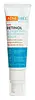
This acne serum is formulated around Zinc Gluconate and Niacinamide to clear breakouts and refine skin texture.
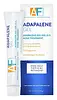
This acne treatment is formulated around Adapalene to clear breakouts and refine skin texture.

What's inside
What's inside
 Key Ingredients
Benefits
Concerns
Ingredients Side-by-side
Water
Skin ConditioningDimethicone
Emollient

Cetearyl Ethylhexanoate
Emollient

Propanediol
Solvent

Zinc Gluconate
Skin Conditioning



Hydrogenated Lecithin
Emulsifying
Niacinamide
Smoothing






Caprylic/Capric Triglyceride
Masking
Zingiber Officinale Root Extract
Masking
Bisabolol
Antioxidant
Sodium Lauroyl Lactylate
EmulsifyingGlycerin
Humectant
Chamomilla Recutita Extract
Skin Conditioning
Retinol
Skin Conditioning

Sodium Hyaluronate
Humectant
Polysorbate 20
Emulsifying
Cetearyl Glucoside
Emulsifying
Ceramide NP
Skin Conditioning
Phytosphingosine
Skin Conditioning
Ceramide AP
Skin Conditioning
Cholesterol
Emollient
Ceramide EOP
Skin Conditioning
Cetyl Palmitate
Emollient
Laureth-23
Cleansing

Trideceth-6 Phosphate
EmulsifyingSodium Hydroxide
BufferingPolyacrylate Crosspolymer-6
Emulsion StabilisingCetearyl Alcohol
Emollient

Isopropyl Myristate
Emollient
Phenoxyethanol
Preservative
Ethylhexylglycerin
Skin ConditioningXanthan Gum
EmulsifyingCarbomer
Emulsion StabilisingBHT
Antioxidant
BHA
Antioxidant
Tocopherol
Antioxidant
Water, Dimethicone, Cetearyl Ethylhexanoate, Propanediol, Zinc Gluconate, Hydrogenated Lecithin, Niacinamide, Caprylic/Capric Triglyceride, Zingiber Officinale Root Extract, Bisabolol, Sodium Lauroyl Lactylate, Glycerin, Chamomilla Recutita Extract, Retinol, Sodium Hyaluronate, Polysorbate 20, Cetearyl Glucoside, Ceramide NP, Phytosphingosine, Ceramide AP, Cholesterol, Ceramide EOP, Cetyl Palmitate, Laureth-23, Trideceth-6 Phosphate, Sodium Hydroxide, Polyacrylate Crosspolymer-6, Cetearyl Alcohol, Isopropyl Myristate, Phenoxyethanol, Ethylhexylglycerin, Xanthan Gum, Carbomer, BHT, BHA, Tocopherol


Reviews
Ingredients Explained
These ingredients are found in both products.
Ingredients higher up in an ingredient list are typically present in a larger amount.
Carbomer is a synthetic thickening and gelling agent. It's basically the ingredient that gives a lot of serums, gels, creams, and sunscreens their smooth, non-sticky texture.
Although legally permitted at very high levels, carbomers are normally used at concentrations below 1%.
It also needs to be neutralized to actually thicken, and because it is a large molecule, it doesn't really penetrate the skin barrier.
Allergy-wise, the risk is very low. Clinical studies show carbomers have low potential for skin irritation/sensitization even at concentrations up to 100%.
A 2024 UK study patch-tested 1,302 patients and found true allergy to the parent group of carbomer to be rare with no confirmed relevant reactions.
Learn more about CarbomerSodium Hydroxide is also known as lye or caustic soda. It is used to adjust the pH of products; many ingredients require a specific pH to be effective.
In small amounts, sodium hydroxide is considered safe to use. However, large amounts may cause chemical burns due to its high alkaline.
Your skin has a natural pH and acid mantle. This acid mantle helps prevent harmful bacteria from breaking through. The acid mantle also helps keep your skin hydrated.
"Alkaline" refers to a high pH level. A low pH level would be considered acidic.
Learn more about Sodium Hydroxide

