
What's inside
What's inside
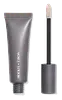 Key Ingredients
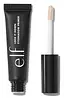
Benefits
Concerns
Ingredients Side-by-side
Isododecane
EmollientMica
Cosmetic ColorantSilica
Abrasive


Trimethylsiloxysilicate
Emollient
Aluminum Starch Octenylsuccinate
Absorbent
Disteardimonium Hectorite
StabilisingTrihydroxystearin
Skin Conditioning

Polyethylene
Abrasive
Triethylhexanoin
MaskingSorbitan Sesquioleate
Emulsifying
Hydrogenated Polycyclopentadiene
Dimethicone
Emollient
Bis-Diglyceryl Polyacyladipate-2
Emollient
Althaea Officinalis Root Extract
Skin Conditioning
Water
Skin ConditioningBrassica Campestris Seed Oil
Skin Conditioning
Ethylhexylglycerin
Skin ConditioningGlycine Soja Oil
Emollient



Glycyrrhiza Glabra Root Extract
Bleaching


Lecithin
Emollient
Oleic Acid
Emollient
Oryza Sativa Bran Extract
Skin Conditioning
Oryza Sativa Extract
Absorbent
Oryza Sativa Germ Extract
EmollientPEG-40 Stearate
Emulsifying
Polyglyceryl-3 Diisostearate
Emulsifying
Propylene Carbonate
SolventSynthetic Beeswax
Emulsion Stabilising
Terminalia Arjuna Extract
Skin ConditioningTocopherol
Antioxidant

Phenoxyethanol
Preservative
CI 77163
Cosmetic Colorant
Iron Oxides
CI 77891
Cosmetic ColorantIsododecane, Mica, Silica, Trimethylsiloxysilicate, Aluminum Starch Octenylsuccinate, Disteardimonium Hectorite, Trihydroxystearin, Polyethylene, Triethylhexanoin, Sorbitan Sesquioleate, Hydrogenated Polycyclopentadiene, Dimethicone, Bis-Diglyceryl Polyacyladipate-2, Althaea Officinalis Root Extract, Water, Brassica Campestris Seed Oil, Ethylhexylglycerin, Glycine Soja Oil, Glycyrrhiza Glabra Root Extract, Lecithin, Oleic Acid, Oryza Sativa Bran Extract, Oryza Sativa Extract, Oryza Sativa Germ Extract, PEG-40 Stearate, Polyglyceryl-3 Diisostearate, Propylene Carbonate, Synthetic Beeswax, Terminalia Arjuna Extract, Tocopherol, Phenoxyethanol, CI 77163, Iron Oxides, CI 77891
Isododecane
EmollientTrimethylsiloxysilicate
Emollient
Mica
Cosmetic ColorantHydroxystearic/Linolenic/Linoleic Polyglycerides
EmollientDimethicone
Emollient
Synthetic Wax
Abrasive
Disteardimonium Hectorite
StabilisingTriethylhexanoin
MaskingTrihydroxystearin
Skin Conditioning
Sorbitan Sesquioleate
Emulsifying
Vp/Eicosene Copolymer
C18-38 Alkyl Hydroxystearoyl Stearate
EmollientPropylene Carbonate
SolventEthylhexylglycerin
Skin ConditioningTriethoxycaprylylsilane
Tocopherol
Antioxidant
CI 77891
Cosmetic ColorantCI 77492
Cosmetic ColorantCI 77491
Cosmetic ColorantIsododecane, Trimethylsiloxysilicate, Mica, Hydroxystearic/Linolenic/Linoleic Polyglycerides, Dimethicone, Synthetic Wax, Disteardimonium Hectorite, Triethylhexanoin, Trihydroxystearin, Sorbitan Sesquioleate, Vp/Eicosene Copolymer, C18-38 Alkyl Hydroxystearoyl Stearate, Propylene Carbonate, Ethylhexylglycerin, Triethoxycaprylylsilane, Tocopherol, CI 77891, CI 77492, CI 77491
Ingredients Explained
These ingredients are found in both products.
Ingredients higher up in an ingredient list are typically present in a larger amount.
Ci 77891 is a white pigment from Titanium dioxide. It is naturally found in minerals such as rutile and ilmenite.
It's main function is to add a white color to cosmetics. It can also be mixed with other colors to create different shades.
Ci 77891 is commonly found in sunscreens due to its ability to block UV rays.
Learn more about CI 77891Dimethicone is a type of synthetic silicone created from natural materials such as quartz. It is also known as polydimethylsiloxane.
What it does:
Dimethicone comes in different viscosities:
Depending on the viscosity, dimethicone has different properties.
Ingredients lists don't always show which type is used, so we recommend reaching out to the brand if you have questions about the viscosity.
This ingredient is unlikely to cause irritation because it does not get absorbed into skin. However, people with silicone allergies should be careful about using this ingredient.
Note: Dimethicone may contribute to pilling. This is because it is not oil or water soluble, so pilling may occur when layered with products. When mixed with heavy oils in a formula, the outcome is also quite greasy.
Learn more about DimethiconeDisteardimonium Hectorite comes from the clay mineral named hectorite. It is used to add thickness to a product.
It can also help stabilize a product by helping to disperse other ingredients.
Hectorite is a rare, white clay mineral.
Learn more about Disteardimonium HectoriteEthylhexylglycerin is created from glycerin. It is a multitasker ingredient that:
The CIR Expert Panel found minimal skin absorption or sensitization of any kind in a safety assessment. Though this ingredient is considered well-tolerated, a small number of cases of allergic dermatitis have been published since 2002. Just be sure to patch test if you are unsure.
Industry-reported use ranges from 8% in rinse-off products and 2% in leave-on formulations.
Learn more about EthylhexylglycerinIsododecane is a fragrance, emollient, and solvent.
As an emollient, it helps your skin stay soft and hydrated. Emollients help trap moisture into your skin.
Isododecane's role as a solvent makes it a great texture enhancer. It spreads smoothly on skin and does not leave a sticky feeling behind. Isododecane also helps prevent color transfer in makeup products.
Isododecane is not absorbed into skin.
The chemical name for this ingredient is 2,2,4,6,6-PENTAMETHYLHEPTANE.
Learn more about IsododecaneMica is a naturally occurring mineral used to add shimmer and color in cosmetics. It can also help improve the texture of a product or give it an opaque, white/silver color.
Serecite is the name for very fine but ragged grains of mica.
This ingredient is often coated with metal oxides like titanium dioxide. Trace amounts of heavy metals may be found in mica, but these metals are not harmful in our personal products.
Mica has been used since prehistoric times throughout the world. Ancient Egyptian, Indian, Greek, Roman, Aztec, and Chinese civilizations have used mica.
Learn more about MicaThis ingredient is a solvent. It helps dissolve active ingredients and alter the texture of products.
Propylene Carbonate is commonly used in makeup and with clay, such as montmorillonite or bentonite.
Studies show this ingredient to be safe for cosmetics. When it is undiluted, it can cause skin irritation. (It is always diluted in skincare and makeup). This ingredient is water-soluble.
Propylene Carbonate is created from propylene glycol and carbonic acid.
Learn more about Propylene CarbonateSorbitan Sesquioleate is derived from sorbitol and oleic acid. It is an emulsifier and prevents ingredients from separating.
Specifically, this ingredient is a water-in-oil emulsifier, meaning it helps water dissolve into oil.
Some studies suggest this ingredient may cause irritation in some people. If you are unsure, it is best to patch test.
This ingredient may not be Malassezia folliculitis, or fungal-acne safe due to the oleic acid. In vitro studies have shown that Oleic Acid is one of the fatty acids that induce rapid Malassezia growth in lab settings.
This ingredient does have a comedogenic rating of 0-1. The original test stated 0-1 meant an ingredient is unlikely to cause comedones.
Just remember human testing has proved that any finished product with a comedogenic ingredient won't automatically make you break out; it really comes down to concentration, formula, and your skin.
Learn more about Sorbitan SesquioleateTocopherol is a fat-soluble antioxidant known as Vitamin E.
You'll find this ingredient in the vast majority of skincare (for good reason). It works to neutralize free radicals, or unstable molecules generated by UV exposure, pollution, and other environmental stressors, before they can cause oxidative damage to your skin cells.
Topically applied tocopherol has been shown to protect against UV damage by ramping up the skin's own natural defense enzymes.
It also acts as a skin conditioning agent; some studies show that regular topical use can improve the skin's water-binding capacity over 2-4 weeks.
This ingredient is especially loved for being a team player. When combined with Vitamin C, the photoprotective effect of both ingredients roughly doubles and the combo also helps reduce UV-induced DNA damage.
This ingredient has some brightening potential but it's more of a prevention ingredient than spot-fader. Cell studies show it can slow down melanin production but it's worth noting that it's not the most powerful brightener out there.
In formulations, it also serves as a stabilizer that helps protect other oxidation-prone ingredients from degrading.
Concentrations usually range from 0.1-1% in most leave-on products.
Learn more about TocopherolTriethylhexanoin is created from glycerin and 2-ethylhexanoic acid. It is a solvent and emollient.
As a solvent, Triethylhexanoin helps dissolve ingredients to stable bases or help evenly distribute ingredients throughout the product.
It is also an emollient and helps condition the skin.
Learn more about TriethylhexanoinTrihydroxystearin is what you get when you fully hydrogenate castor oil into a waxy, fine powder.
It's mostly a behind-the-scenes texture enhancer that's especially good at "thixotropic" thing where the product stays thick but applies nicely.
Because of its structure, it also acts as a mild skin conditioning emollient that helps soften skin while preventing moisture loss.
Safety studies show it to be safe and non-irritation in clinical tests. It's typically used in concentrations up to 5%.
Since its an ester of a C18 fatty acid, it falls into the C11-24 range that Malassezia can potentially feed on. This makes it not fungal-acne safe.
Learn more about TrihydroxystearinThis silicone is an emollient. Emollients create a thin film on the skin to prevent moisture from escaping.
It is not soluble in water and helps increase water-resistance in products.
According to a manufacturer, it can blend seamlessly with silicone oils, such as Cyclopentasiloxane.
Learn more about Trimethylsiloxysilicate

