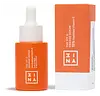
This brightening serum is formulated around 3-O-Ethyl Ascorbic Acid and Aloe Barbadensis Leaf Juice to brighten dull-looking skin and fade the look of dark spots.
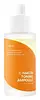
This brightening ampoule is formulated around Hippophae Rhamnoides Fruit Extract and Niacinamide to brighten dull-looking skin and calm redness.


What's inside
What's inside
 Key Ingredients
Benefits
Concerns
Ingredients Side-by-side
Aloe Barbadensis Leaf Juice
Skin Conditioning


Water
Skin ConditioningPropylene Glycol
Humectant

3-O-Ethyl Ascorbic Acid
Skin Conditioning




Propanediol
Solvent
3-Glyceryl Ascorbate
Antioxidant
Glycerin
Humectant
Citric Acid
Buffering
Sodium Citrate
BufferingPPG-26-Buteth-26
Skin ConditioningSodium Benzoate
Masking
Polyacrylate Crosspolymer-6
Emulsion StabilisingTetrasodium Glutamate Diacetate
PEG-40 Hydrogenated Castor Oil
Emulsifying

Parfum
Masking


Potassium Sorbate
Preservative
Citrus Limon Fruit Water
MaskingSodium Metabisulfite
Antioxidant
Xanthan Gum
EmulsifyingAloe Barbadensis Leaf Juice, Water, Propylene Glycol, 3-O-Ethyl Ascorbic Acid, Propanediol, 3-Glyceryl Ascorbate, Glycerin, Citric Acid, Sodium Citrate, PPG-26-Buteth-26, Sodium Benzoate, Polyacrylate Crosspolymer-6, Tetrasodium Glutamate Diacetate, PEG-40 Hydrogenated Castor Oil, Parfum, Potassium Sorbate, Citrus Limon Fruit Water, Sodium Metabisulfite, Xanthan Gum
Hippophae Rhamnoides Fruit Extract
Skin Conditioning
Butylene Glycol
Humectant
Pentylene Glycol
Skin Conditioning
Glycerin
Humectant
Betaine
Humectant
Water
Skin ConditioningNiacinamide
Smoothing




Propanediol
Solvent
Aloe Barbadensis Leaf Extract
Emollient
Melia Azadirachta Flower Extract
Skin ConditioningMelia Azadirachta Leaf Extract
Skin ConditioningCucurbita Pepo Fruit Extract
Skin Conditioning
Physalis Alkekengi Fruit Extract
Skin ConditioningSodium Hyaluronate
Humectant
Dipotassium Glycyrrhizate
Humectant
Ocimum Sanctum Leaf Extract
Skin ConditioningBeta-Glucan
Skin Conditioning
Curcuma Longa Root Extract
Antioxidant
Corallina Officinalis Extract
Skin Conditioning
Brassica Oleracea Italica Extract
AstringentCoccinia Indica Fruit Extract
Skin Conditioning
Moringa Oleifera Seed Oil
Emollient
Boswellia Serrata Resin Extract
SmoothingBioflavonoids
Skin ConditioningPanthenol
Skin Conditioning
Allantoin
Skin Conditioning
Sodium Polyacrylate
Absorbent
Ammonium Acryloyldimethyltaurate/Vp Copolymer
3-O-Ethyl Ascorbic Acid
Skin Conditioning
Ethyl Hexanediol
SolventPolysorbate 80
Emulsifying
1,2-Hexanediol
Skin Conditioning
Hippophae Rhamnoides Fruit Extract, Butylene Glycol, Pentylene Glycol, Glycerin, Betaine, Water, Niacinamide, Propanediol, Aloe Barbadensis Leaf Extract, Melia Azadirachta Flower Extract, Melia Azadirachta Leaf Extract, Cucurbita Pepo Fruit Extract, Physalis Alkekengi Fruit Extract, Sodium Hyaluronate, Dipotassium Glycyrrhizate, Ocimum Sanctum Leaf Extract, Beta-Glucan, Curcuma Longa Root Extract, Corallina Officinalis Extract, Brassica Oleracea Italica Extract, Coccinia Indica Fruit Extract, Moringa Oleifera Seed Oil, Boswellia Serrata Resin Extract, Bioflavonoids, Panthenol, Allantoin, Sodium Polyacrylate, Ammonium Acryloyldimethyltaurate/Vp Copolymer, 3-O-Ethyl Ascorbic Acid, Ethyl Hexanediol, Polysorbate 80, 1,2-Hexanediol
Reviews
Ingredients Explained
These ingredients are found in both products.
Ingredients higher up in an ingredient list are typically present in a larger amount.
3-O-Ethyl Ascorbic Acid is one of the most popular "stable" vitamin C derivatives in skincare.
Plain ascorbic acid is fantastic but notoriously fragile; it browns, oxidizes, and loses potency fast. So attaching an ethyl group to the third carbon of the molecule gives it some cool perks:
In a formula, it does the 3 classic vitamin C jobs: it acts as an antioxidant, helps brighten skin tone by inhibiting tyrosinase, and supports collagen.
The evidence is reasonably solid for a cosmetic ingredient; Liao and colleagues (2018) showed it's significantly more stable than ascorbic acid while still being effective.
A 2021 study by Zerbinati and colleagues tested a serum with 30% 3-O-ethyl-l-ascorbic acid and 1% lactic acid significantly increased collagen production, reduced UVB-induced DNA damage, and decreased melanin on a reconstructed pigmented skin model.
Typical real world usage sits around 0.5-5% (and 1-2% is common for daily serums).
Amounts up to 30% have been shown to be non-irritating on human skin samples, but two isolated cases reported allergic contact dermatitis so a patch test is sensible if you have reactive skin.
Learn more about 3-O-Ethyl Ascorbic AcidGlycerin (or glycerol) is a compound naturally found in your skin. It's a powerhouse humectant that pulls water into the stratum corneum.
Topically, glycerin does several things at once:
Your skin makes glycerin on its own (mostly from sebaceous oil breakdown) and shuttles it to your outermost layer of skin, or your epidermis, via aquaporin-3.
Aquaporin-3 is a transporter that is essential for normal skin hydration, elasticity, and repair. Interestingly, mice lacking in AQP3 have dry and less elastic skin that can be fully corrected with glycerin.
This ingredient is non-irritating, plays well with almost every ingredient, and works across all skin types. Typical use is anywhere between 3-10% but can go up to 79% in some leave-on products.
Just know very high concentrations (>40%) can feel tacky in low humidity.
Glycerin is the name for this ingredient in American English. British English uses Glycerol/Glycerine.
Learn more about GlycerinPropanediol is an all-star ingredient. It softens, hydrates, and smooths the skin.
It’s often used to:
Propanediol is not likely to cause sensitivity and considered safe to use. It is derived from corn or petroleum with a clear color and no scent.
Learn more about PropanediolWater. It's the most common cosmetic ingredient of all. You'll usually see it at the top of ingredient lists, meaning that it makes up the largest part of the product.
So why is it so popular? Water most often acts as a solvent - this means that it helps dissolve other ingredients into the formulation.
You'll also recognize water as that liquid we all need to stay alive. If you see this, drink a glass of water. Remember to stay hydrated!
Learn more about Water

