
What's inside
What's inside
 Key Ingredients
Benefits
Concerns
Ingredients Side-by-side
Talc
Abrasive
Aluminum Starch Octenylsuccinate
Absorbent
Mica
Cosmetic ColorantSynthetic Fluorphlogopite
Caprylic/Capric Triglyceride
Masking


Magnesium Myristate


CI 77891
Cosmetic ColorantCI 77492
Cosmetic ColorantDiisostearyl Malate
EmollientMethylpropanediol
SolventMagnesium Stearate
Cosmetic ColorantPropanediol
Solvent
Dimethicone
Emollient

Triethoxycaprylylsilane
Aluminum Hydroxide
EmollientWater
Skin ConditioningCI 77491
Cosmetic ColorantCI 77499
Cosmetic ColorantCI 77742
Cosmetic ColorantBis-Diglyceryl Polyacyladipate-2
Emollient

Calcium Sodium Borosilicate
Polyglyceryl-2 Triisostearate
Emulsifying
CI 19140
Cosmetic ColorantCI 77007
Cosmetic ColorantGlass
Abrasive
CI 73360
Cosmetic ColorantPolybutylene Terephthalate
Acrylates Copolymer
Ethylene/Va Copolymer
Emulsion StabilisingSilica
Abrasive
CI 15985
Cosmetic ColorantCI 75470
Cosmetic ColorantDimethiconol Stearate
EmollientOctyldodecyl Stearoyl Stearate
Emollient
Calcium Aluminum Borosilicate
Nylon-12

Phenyl Trimethicone
Skin Conditioning
Triethylhexanoin
MaskingDipentaerythrityl Hexahydroxystearate/Hexastearate/Hexarosinate
Skin ConditioningSorbitan Sesquiisostearate
Emulsifying
Methyl Methacrylate Crosspolymer
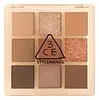
Talc, Aluminum Starch Octenylsuccinate, Mica, Synthetic Fluorphlogopite, Caprylic/Capric Triglyceride, Magnesium Myristate, CI 77891, CI 77492, Diisostearyl Malate, Methylpropanediol, Magnesium Stearate, Propanediol, Dimethicone, Triethoxycaprylylsilane, Aluminum Hydroxide, Water, CI 77491, CI 77499, CI 77742, Bis-Diglyceryl Polyacyladipate-2, Calcium Sodium Borosilicate, Polyglyceryl-2 Triisostearate, CI 19140, CI 77007, Glass, CI 73360, Polybutylene Terephthalate, Acrylates Copolymer, Ethylene/Va Copolymer, Silica, CI 15985, CI 75470, Dimethiconol Stearate, Octyldodecyl Stearoyl Stearate, Calcium Aluminum Borosilicate, Nylon-12, Phenyl Trimethicone, Triethylhexanoin, Dipentaerythrityl Hexahydroxystearate/Hexastearate/Hexarosinate, Sorbitan Sesquiisostearate, Methyl Methacrylate Crosspolymer
Talc
Abrasive
Aluminum Starch Octenylsuccinate
Absorbent
Mica
Cosmetic ColorantCI 77891
Cosmetic ColorantSilica
Abrasive
Caprylic/Capric Triglyceride
Masking
Triethylhexanoin
MaskingTriethoxycaprylylsilane
Magnesium Myristate
Macadamia Ternifolia Seed Oil
Emollient
Methylpropanediol
SolventDimethicone
Emollient
Propanediol
Solvent
Dipentaerythrityl Hexahydroxystearate/Hexastearate/Hexarosinate
Skin ConditioningAluminum Hydroxide
EmollientWater
Skin ConditioningCI 77492
Cosmetic ColorantCI 77491
Cosmetic ColorantCI 77499
Cosmetic ColorantCI 77742
Cosmetic ColorantKaolin
Abrasive
CI 19140
Cosmetic ColorantCI 77007
Cosmetic ColorantCalcium Titanium Borosilicate
Abrasive
Octyldodecanol
Emollient
Boron Nitride
Absorbent
Diisostearyl Malate
EmollientDimethiconol Stearate
EmollientMagnesium Stearate
Cosmetic ColorantHydrogenated Lecithin
Emulsifying
CI 73360
Cosmetic ColorantSynthetic Fluorphlogopite
Methyl Methacrylate Crosspolymer
Neopentyl Glycol Diethylhexanoate
Emollient
Hexyl Laurate
Emollient
Calcium Aluminum Borosilicate
Dimethicone/Vinyl Dimethicone Crosspolymer
Skin Conditioning
Nylon-12
Diglyceryl Sebacate/Isopalmitate
EmollientSorbitan Sesquiisostearate
Emulsifying
Synthetic Wax
Abrasive
Phenoxyethanol
Preservative
Lauroyl Lysine
Skin Conditioning
CI 75470
Cosmetic ColorantCI 77288
Cosmetic ColorantCI 42090
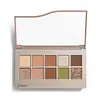
Cosmetic ColorantTalc, Aluminum Starch Octenylsuccinate, Mica, CI 77891, Silica, Caprylic/Capric Triglyceride, Triethylhexanoin, Triethoxycaprylylsilane, Magnesium Myristate, Macadamia Ternifolia Seed Oil, Methylpropanediol, Dimethicone, Propanediol, Dipentaerythrityl Hexahydroxystearate/Hexastearate/Hexarosinate, Aluminum Hydroxide, Water, CI 77492, CI 77491, CI 77499, CI 77742, Kaolin, CI 19140, CI 77007, Calcium Titanium Borosilicate, Octyldodecanol, Boron Nitride, Diisostearyl Malate, Dimethiconol Stearate, Magnesium Stearate, Hydrogenated Lecithin, CI 73360, Synthetic Fluorphlogopite, Methyl Methacrylate Crosspolymer, Neopentyl Glycol Diethylhexanoate, Hexyl Laurate, Calcium Aluminum Borosilicate, Dimethicone/Vinyl Dimethicone Crosspolymer, Nylon-12, Diglyceryl Sebacate/Isopalmitate, Sorbitan Sesquiisostearate, Synthetic Wax, Phenoxyethanol, Lauroyl Lysine, CI 75470, CI 77288, CI 42090
Reviews
Ingredients Explained
These ingredients are found in both products.
Ingredients higher up in an ingredient list are typically present in a larger amount.
Aluminum Hydroxide is a form of aluminum. It can be naturally found in nature as the mineral gibbsite. In cosmetics, Aluminum Hydroxide is used as a colorant, pH adjuster, and absorbent.
As a colorant, Aluminum Hydroxide may add opacity, or reduce the transparency. Aluminum hydroxide is contains both basic and acidic properties.
According to manufacturers, this ingredient is an emollient and humectant. This means it helps hydrate the skin.
In medicine, this ingredient is used to help relieve heartburn and help heal ulcers.
There is currently no credible scientific evidence linking aluminum hydroxide in cosmetics to increased cancer risk.
Major health organizations allow the use of aluminum hydroxide in personal care products and have not flagged it as a carcinogenic risk at typical usage levels.
Learn more about Aluminum HydroxideAluminum Starch Octenylsuccinate is a synthetic powder used as an absorbent, thickener, and anti-caking agent.
As an absorbent, it is great at mattifying skin by soaking up the oil. This is why you'll find it in a range of products from makeup to moisturizers.
This ingredient is considered a modified starch. Starch can also be found naturally in plants.
One study from 1991 found that 5% of this ingredient enhanced titanium dioxide SPF by as much as 40%. The study found 1% titanium dioxide had a 5.6 SPF and adding 5% of aluminum starch octenylsuccinate boosted it to an SPF of 8.1
Although “aluminum” in an ingredient name can raise red flags for some consumers, the form and usage context matter significantly. For typical topical applications, there is no substantial evidence of health risks - such as cancer, neurotoxicity, or systemic “aluminum overload.”
Learn more about Aluminum Starch OctenylsuccinateCalcium Aluminum Borosilicate is made up of calcium, aluminum, and silicates. It is a glass-like material. In cosmetics, it comes in the form of flakes or microspheres.
Calcium aluminum borosilicate is a bulking agent, meaning it helps thicken a product.
This ingredient is created by slowly mixing several minerals, including kaolin clay.
Although “aluminum” in an ingredient name can raise red flags for some consumers, the form and usage context matter significantly. For typical topical applications, there is no substantial evidence of health risks - such as cancer, neurotoxicity, or systemic “aluminum overload.”
Learn more about Calcium Aluminum BorosilicateCaprylic/Capric Triglyceride (aka MCT Oil) is a lightweight emollient, solvent, and texture enhancer. It is considered a skin-softener by helping to prevent moisture loss.
Though it behaves like an oil, it is not technically one due to its chemical composition. One perk of this ingredient is that it is very stable, resistant to oxidation, and unlikely to go rancid.
In practice, that translates to a long shelf life and a consistently elegant skin feel.
While there is an assumption Caprylic Triglyceride can clog pores due to it being derived from coconut oil, there is no research supporting this. Just patch test if you have concerns.
Fractionated coconut oil and MCT Oil are both listed as Caprylic/Capric Triglyceride according to INCI. This is because INCI names are based on the ingredient’s final chemical composition and not its marketing name or source.
This ingredient is treated as the gold standard fungal acne safe oil. Even though it is coconut derived, the problematic lauric acid is stripped out.
This leaves just caprylic (C8) and capric (C10) acid. These chain lengths actually trend antifungal; a 2020 study found caprylic acid was enough to disrupt Malassezia furfur cell membrane, with a caprylic acid derivative damaging membrane structures at concentrations as low as 0.2%.
Learn more about Caprylic/Capric TriglycerideCI 19140 is also known as Tartrazine. Tartrazine is a synthetic dye used in cosmetics, foods, and medicine to add a yellow color.
Tartrazine is created from petroleum and is water-soluble.
Some people may experience allergies from this dye, especially asthmatics and those with an aspirin intolerance.
Learn more about CI 19140Ci 73360 is a synthetic red-pink dye.
It is soluble in water and remains chemically stable across a range of pH levels typically used in cosmetics. This helps manufacturers maintain uniform color throughout a product’s shelf life.
Because this ingredient is a regulated cosmetic colorant, its purity, manufacturing standards, and allowed uses are defined by cosmetic regulations in major markets.
Learn more about CI 73360Ci 75470 is a bright-red pigment. It is AKA carmine.
Carmine is derived from insects such as the cochineal beetle. This ingredient has been used as a natural dye for over 2000 years.
This pigment is called Ultramarine blue lazurite. It gives a saturated blue color, but can be used to create other colors as well.
According to the manufacturer, it is usually made from kaolin, sodium sulfate, sodium carbonate, sulfur, and charcoal.
Ci 77491 is also hydrated iron III oxide. It's sole purpose is to give a red/pink hue to products.
Iron III oxides are classified as inorganic chemicals for coloring.
Synthetically created Ci 77491 is considered safer than those naturally found. This is because the synthetically created version may contain less impurities. Iron oxides are generally non-toxic and non-allergenic.
Learn more about CI 77491CI 77492 is also hydrated iron III oxide. It's sole purpose is to give a yellow hue to products.
Iron III oxides are classified as inorganic chemicals for coloring.
Synthetically created CI 77492 is considered safer than those naturally found. This is because the synthetically created version may contain less impurities. Iron oxides are generally non-toxic and non-allergenic.
Learn more about CI 77492Ci 77499 is also hydrated iron III oxide. It is created from mixing red and black iron oxides. This helps give shades of darkness to a product.
Iron III oxides are classified as inorganic chemicals for coloring.
This ingredient is used to add a violet color to cosmetics.
It is created by reacting phosphoric acid, ammonium dihydrogen orthophosphate, and manganese dioxide.
Ci 77891 is a white pigment from Titanium dioxide. It is naturally found in minerals such as rutile and ilmenite.
It's main function is to add a white color to cosmetics. It can also be mixed with other colors to create different shades.
Ci 77891 is commonly found in sunscreens due to its ability to block UV rays.
Learn more about CI 77891Diisostearyl Malate is an emollient and most often used in lip products. It comes from isostearyl alcohol, a fatty acid, and malic acid, an AHA.
As an emollient, Diisostearyl Malate helps create a thin film on your skin to trap moisture in. This helps keep your skin soft and smooth.
Dimethicone is a type of synthetic silicone created from natural materials such as quartz. It is also known as polydimethylsiloxane.
What it does:
Dimethicone comes in different viscosities:
Depending on the viscosity, dimethicone has different properties.
Ingredients lists don't always show which type is used, so we recommend reaching out to the brand if you have questions about the viscosity.
This ingredient is unlikely to cause irritation because it does not get absorbed into skin. However, people with silicone allergies should be careful about using this ingredient.
Note: Dimethicone may contribute to pilling. This is because it is not oil or water soluble, so pilling may occur when layered with products. When mixed with heavy oils in a formula, the outcome is also quite greasy.
Learn more about DimethiconeWe don't have a description for Dimethiconol Stearate yet.
This ingredient is a high molecular weight fatty acid ester. It has skin conditioning properties and is also used as an emollient, texture enhancer, and viscosity emulsifier.
Magnesium Myristate is the magnesium salt of myristic acid, a saturated fatty acid that is naturally found in coconut and palm kernel oil.
In formulas, it's used as an anticaker, opacifier, and viscosity controller; it improves adhesion and glide in pressed mineral makeup, works as a non-gelling thickener in eyeliners/mascaras/lipsticks, and doubles as a white opacifier.
There's no published concentration use from surveys so the best available numbers are supplier guidance: 5-10% for loose powders and 2-5% for creamy cosmetics + pressed powder binding.
The CIR Expert Panel reviewed Magnesium Myristate as part of its assessment of myristic acid and its salts and esters, and concluded the whole group is safe as used in cosmetics.
In human studies, Myristic Acid was non-irritating up to 50% and 100% Magnesium Stearate was non-irritating and non-corrosive on skin and non-irritating to the eye.
There are no published contact allergy case reports for this ingredient so allergy risk is low, but not zero for any ingredient.
There is no comedogenic data for Magnesum Myristate. The comedogenic ratings that circulate for "myristates" come from Isopropyl Myristate which is a structurally different ester.
The rabbit-ear models those comedogenic ratings come from have been shown to be unreliable for predicting whether a finished product will clog pores.
Human testing has proved that any finished product with a comedogenic ingredient won't automatically make you break out; it really comes down to concentration, formula, and your skin.
Some people still find it breaks them out. So if that's you, definitely trust your skin.
Learn more about Magnesium MyristateMagnesium Stearate is a salt that is 2 parts stearic acid and 1 part magnesium.
It is a white powder that can be used to add bulk and color to products by binding to oil ingredients.
This ingredient comes as a powder made up of small, porous, microbeads. It is used to add a silky feel to products and also helps absorb oil.
Methylpropanediol is a synthetic solvent and humectant.
As a solvent, it helps dissolve other ingredients, helping to evenly distribute ingredients throughout the product. This ingredient has also been shown to have antimicrobial properties which makes it a preservative booster.
Methylpropanediol is able to add a bit of moisture to the skin. It also helps other ingredients be better absorbed into the skin, such as salicylic acid.
Learn more about MethylpropanediolMica is a naturally occurring mineral used to add shimmer and color in cosmetics. It can also help improve the texture of a product or give it an opaque, white/silver color.
Serecite is the name for very fine but ragged grains of mica.
This ingredient is often coated with metal oxides like titanium dioxide. Trace amounts of heavy metals may be found in mica, but these metals are not harmful in our personal products.
Mica has been used since prehistoric times throughout the world. Ancient Egyptian, Indian, Greek, Roman, Aztec, and Chinese civilizations have used mica.
Learn more about MicaNylon-12 is a polymer. It is derived from 12-aminododecanoic acid, an omega-amino fatty acid
According to a manufacturer, it is a talc substitute. Like talc, nylon-12 gives products a satin feel. The manufacturer also claims this ingredients does not block pores and has moderate oil absorption.
This ingredient may not be reef-safe.
Learn more about Nylon-12Propanediol is an all-star ingredient. It softens, hydrates, and smooths the skin.
It’s often used to:
Propanediol is not likely to cause sensitivity and considered safe to use. It is derived from corn or petroleum with a clear color and no scent.
Learn more about PropanediolSilica, also known as silicon dioxide, is a naturally occurring mineral. It is used as a fine, spherical, and porous powder in cosmetics.
Though it has exfoliant properties, the function of silica varies depending on the product.
The unique structure of silica enhances the spreadability and adds smoothness, making it a great texture enhancer.
It is also used as an active carrier, emulsifier, and mattifier due to its ability to absorb excess oil.
In some products, tiny microneedles called spicules are made from silica or hydrolyzed sponge. When you rub them in, they lightly polish away dead skin layers and enhance the penetration of active ingredients.
Learn more about SilicaSorbitan Sesquiisostearate isn't fungal acne safe.
Synthetic Fluorphlogopite is the synthethic version of mica. It consists of fluorine, aluminum and silicate.
Synthetic Fluorphlogopite is used to add volume to products.
It is considered non-irritating on the skin.
Learn more about Synthetic FluorphlogopiteTalc is a clay mineral. It helps absorb moisture and improve the texture of products. Like other types of clay, Talc can have a slight exfoliating effect on skin. Talc can be added to increase the volume of products.
Some Baby powders are made by combining talc with corn starch. The word "talc" comes from Latin and originates from Arabic. Talc is a mineral commonly found throughout the world.
If you have any concerns about using talc, we recommend checking out the FDA's official page.
Learn more about TalcTriethoxycaprylylsilane is a silicon-based surface modifier that makes sunscreens feel silky and makeup stay put.
Its main job is to coat mineral particles like titanium dioxide, zinc oxide, and color pigments in a thin, oily layer so they spread smoothly, don't clump, and stick to skin better.
This ingredient is typically used at low levels (up to 2.5% in eyeshadow and 1% in lipstick).
Learn more about TriethoxycaprylylsilaneTriethylhexanoin is created from glycerin and 2-ethylhexanoic acid. It is a solvent and emollient.
As a solvent, Triethylhexanoin helps dissolve ingredients to stable bases or help evenly distribute ingredients throughout the product.
It is also an emollient and helps condition the skin.
Learn more about TriethylhexanoinWater. It's the most common cosmetic ingredient of all. You'll usually see it at the top of ingredient lists, meaning that it makes up the largest part of the product.
So why is it so popular? Water most often acts as a solvent - this means that it helps dissolve other ingredients into the formulation.
You'll also recognize water as that liquid we all need to stay alive. If you see this, drink a glass of water. Remember to stay hydrated!
Learn more about Water

