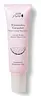
This barrier-repair moisturizer is formulated around Aloe Barbadensis Leaf Juice and Polyglutamic Acid to strengthen the skin barrier and hydrate skin.
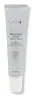
This barrier-repair moisturizer is formulated around Hyaluronic Acid to strengthen the skin barrier and hydrate skin.

What's inside
What's inside
 Key Ingredients
Benefits
Concerns
Ingredients Side-by-side
Aloe Barbadensis Leaf Juice
Skin Conditioning


Citrullus Lanatus Fruit Water
Skin ConditioningHelianthus Annuus Seed Oil
Emollient


Cucumis Sativus Oil
Emollient
Glycerin
Humectant

Opuntia Ficus-Indica Seed Oil
Emollient
Calluna Vulgaris Extract
Skin ConditioningPolyglutamic Acid
Skin Conditioning
Sodium Hyaluronate
Humectant

Ceramide AP
Skin Conditioning
Niacinamide
Smoothing






Camellia Sinensis Leaf Extract
Antimicrobial
Chondrus Crispus Extract
Skin Conditioning

Beta-Glucan
Skin Conditioning
Trehalose
Humectant
Squalane
Emollient
Lycium Barbarum Fruit Extract
Astringent
Ectoin
Skin Conditioning
Pullulan
Sodium PCA
Humectant
Xanthan Gum
EmulsifyingLauryl Glucoside
CleansingMyristyl Glucoside
CleansingPolyglyceryl-6 Laurate
Emulsifying
Caprylhydroxamic Acid
ChelatingGlyceryl Caprylate
EmollientSodium Bicarbonate
Abrasive
Aloe Barbadensis Leaf Juice, Citrullus Lanatus Fruit Water, Helianthus Annuus Seed Oil, Cucumis Sativus Oil, Glycerin, Opuntia Ficus-Indica Seed Oil, Calluna Vulgaris Extract, Polyglutamic Acid, Sodium Hyaluronate, Ceramide AP, Niacinamide, Camellia Sinensis Leaf Extract, Chondrus Crispus Extract, Beta-Glucan, Trehalose, Squalane, Lycium Barbarum Fruit Extract, Ectoin, Pullulan, Sodium PCA, Xanthan Gum, Lauryl Glucoside, Myristyl Glucoside, Polyglyceryl-6 Laurate, Caprylhydroxamic Acid, Glyceryl Caprylate, Sodium Bicarbonate
Rosa Centifolia Flower Water
Skin ConditioningGlycerin
Humectant
Salvia Hispanica Seed
Abrasive
Salvia Hispanica Seed Oil
Emollient
Cocos Nucifera Oil
Masking


Opuntia Ficus-Indica Extract
Skin Conditioning
Xanthan Gum
EmulsifyingPanthenol
Skin Conditioning
Sodium PCA
Humectant
Hyaluronic Acid
Humectant
Butyrospermum Parkii Butter
Skin Conditioning
Lonicera Japonica Flower Extract
Skin ConditioningGlyceryl Stearate
Emollient
Cetearyl Alcohol
Emollient
Sodium Stearoyl Lactylate
EmulsifyingCitrus Aurantium Bergamia Fruit Oil
Masking

Cedrus Atlantica Bark Oil
Masking
Vetiveria Zizanoides Root Oil
Masking
Citrus Sinensis Peel Oil Expressed
Perfuming
Salvia Officinalis Oil
Masking
Lavandula Angustifolia Oil
Masking
Rosa Centifolia Flower Water, Glycerin, Salvia Hispanica Seed, Salvia Hispanica Seed Oil, Cocos Nucifera Oil, Opuntia Ficus-Indica Extract, Xanthan Gum, Panthenol, Sodium PCA, Hyaluronic Acid, Butyrospermum Parkii Butter, Lonicera Japonica Flower Extract, Glyceryl Stearate, Cetearyl Alcohol, Sodium Stearoyl Lactylate, Citrus Aurantium Bergamia Fruit Oil, Cedrus Atlantica Bark Oil, Vetiveria Zizanoides Root Oil, Citrus Sinensis Peel Oil Expressed, Salvia Officinalis Oil, Lavandula Angustifolia Oil
Reviews
Ingredients Explained
These ingredients are found in both products.
Ingredients higher up in an ingredient list are typically present in a larger amount.
Glycerin (or glycerol) is a compound naturally found in your skin. It's a powerhouse humectant that pulls water into the stratum corneum.
Topically, glycerin does several things at once:
Your skin makes glycerin on its own (mostly from sebaceous oil breakdown) and shuttles it to your outermost layer of skin, or your epidermis, via aquaporin-3.
Aquaporin-3 is a transporter that is essential for normal skin hydration, elasticity, and repair. Interestingly, mice lacking in AQP3 have dry and less elastic skin that can be fully corrected with glycerin.
This ingredient is non-irritating, plays well with almost every ingredient, and works across all skin types. Typical use is anywhere between 3-10% but can go up to 79% in some leave-on products.
Just know very high concentrations (>40%) can feel tacky in low humidity.
Glycerin is the name for this ingredient in American English. British English uses Glycerol/Glycerine.
Learn more about GlycerinSodium PCA (the salt of PCA) is one of the most well-established humectants in skincare.
Why is it so special? Your skin already makes it naturally; it's a natural component of your skin's Natural Moisturizing Factor (NMF), or the mix of water-binding compounds inside your skin cells that keeps things soft and hydrated.
As a cosmetic ingredient, it grabs water and holds it in the upper layers of skin to smooth roughness and ease dehydration.
There's some clinical support for the NMF approach with a study showing that a cream built to mimic the skin's NMF significantly boosted hydration.
Safety-wise, this ingredient non-irritating, non-comedogenic, and non-phototoxic in testing, with minimal skin absorption.
It also works really well with other hydrators like glycerin or hyaluronic acid, and typical usage is somewhere between 0.2-4%.
Learn more about Sodium PCAXanthan gum is used as a stabilizer and thickener within cosmetic products. It helps give products a sticky, thick feeling - preventing them from being too runny.
On the technical side of things, xanthan gum is a polysaccharide - a combination consisting of multiple sugar molecules bonded together.
Xanthan gum is a pretty common and great ingredient. It is a natural, non-toxic, non-irritating ingredient that is also commonly used in food products.
Learn more about Xanthan Gum

