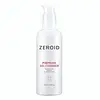
This mild gel cleanser is made to cleanse while respecting your skin barrier.

What's inside
What's inside
 Key Ingredients
Benefits
Concerns
No concerns
Ingredients Side-by-side
Water
Skin ConditioningDecyl Glucoside
Cleansing
Disodium Cocoyl Glutamate
Cleansing
Propanediol
Solvent

Glycerin
Humectant
Sodium Laurylglucosides Hydroxypropylsulfonate
CleansingDisodium Cocoamphodiacetate
CleansingSodium Chloride
MaskingSodium Lactate
Buffering
Sodium Gluconate
ChelatingPanthenol
Skin Conditioning

Zinc PCA
Humectant



Xanthan Gum
EmulsifyingMyristoyl/Palmitoyl Oxostearamide/Arachamide Mea
Skin ConditioningO-Cymen-5-Ol
Antimicrobial
Disodium EDTA
ChelatingCitric Acid
Buffering


1,2-Hexanediol
Skin Conditioning
Caprylyl Glycol
Emollient
Hexylene Glycol
EmulsifyingWater, Decyl Glucoside, Disodium Cocoyl Glutamate, Propanediol, Glycerin, Sodium Laurylglucosides Hydroxypropylsulfonate, Disodium Cocoamphodiacetate, Sodium Chloride, Sodium Lactate, Sodium Gluconate, Panthenol, Zinc PCA, Xanthan Gum, Myristoyl/Palmitoyl Oxostearamide/Arachamide Mea, O-Cymen-5-Ol, Disodium EDTA, Citric Acid, 1,2-Hexanediol, Caprylyl Glycol, Hexylene Glycol
Water
Skin ConditioningTheobroma Cacao Seed Butter
Emollient



Glycerin
Humectant
Propanediol
Solvent
Cetearyl Alcohol
Emollient
Cocoglycerides
Emollient
Butyrospermum Parkii Butter
Skin Conditioning
Polyglyceryl-10 Distearate
Emulsifying
Sorbitan Stearate
Emulsifying
Panthenol
Skin Conditioning
Glyceryl Stearate
Emollient
Squalane
Emollient
Stearic Acid
Cleansing
Camellia Oleifera Seed Oil
Skin Conditioning
Caprylyl Methicone
Skin Conditioning
Dimethicone
Emollient
1,2-Hexanediol
Skin Conditioning
Phytosterols
Skin Conditioning
Tocopheryl Acetate
Antioxidant

Myristoyl/Palmitoyl Oxostearamide/Arachamide Mea
Skin ConditioningEuphorbia Cerifera Wax
Zinc Gluconate
Skin Conditioning
Methyl Caprooyl Tyrosinate
Skin ProtectingTetracarboxymethyl Palmitoyl Dipeptide-12
Skin Conditioning
Xanthan Gum
EmulsifyingAllantoin
Skin Conditioning
Disodium EDTA
ChelatingMadecassoside
Antioxidant
Caprylyl Glycol
Emollient
Water, Theobroma Cacao Seed Butter, Glycerin, Propanediol, Cetearyl Alcohol, Cocoglycerides, Butyrospermum Parkii Butter, Polyglyceryl-10 Distearate, Sorbitan Stearate, Panthenol, Glyceryl Stearate, Squalane, Stearic Acid, Camellia Oleifera Seed Oil, Caprylyl Methicone, Dimethicone, 1,2-Hexanediol, Phytosterols, Tocopheryl Acetate, Myristoyl/Palmitoyl Oxostearamide/Arachamide Mea, Euphorbia Cerifera Wax, Zinc Gluconate, Methyl Caprooyl Tyrosinate, Tetracarboxymethyl Palmitoyl Dipeptide-12, Xanthan Gum, Allantoin, Disodium EDTA, Madecassoside, Caprylyl Glycol
Reviews
Ingredients Explained
These ingredients are found in both products.
Ingredients higher up in an ingredient list are typically present in a larger amount.
1,2-Hexanediol is a synthetic liquid and another multi-functional powerhouse.
It is a:
- Humectant, drawing moisture into the skin
- Emollient, helping to soften skin
- Solvent, dispersing and stabilizing formulas
- Preservative booster, enhancing the antimicrobial activity of other preservatives
Caprylyl Glycol is a humectant, skin conditioner, emollient, and preservative booster derived from either caprylic acid or synthetically created.
Typical use levels vary from 0.3-1% as a preservative booster and go up to 2% to condition skin.
Because it is not a free-fatty acid, this ingredient is fungal acne safe (there's nothing for Malassezia to feed on).
Learn more about Caprylyl GlycolDisodium EDTA is a chelating agent. It grabs onto and deactivates metal ions that sneak into your products from water, packaging, or air.
This ingredient mainly works behind the scenes and helps with:
On top of that, this ingredient can counteract the effects of hard water by binding to the minerals in it.
One thing worth knowing is that Disodium EDTA has been shown to be a mild penetration enhancer. It can help other ingredients absorb into skin more effectively which can be a double-edged sword (great for actives, but can also make the active too strong if you have sensitive skin).
Clinical patch testing showed no significant skin irritation at typical use concentrations and minimal dermal absorption.
You'll most likely see this ingredient near the end of an ingredient list. It's typically found in concentrations less than 1%.
Learn more about Disodium EDTAGlycerin (or glycerol) is a compound naturally found in your skin. It's a powerhouse humectant that pulls water into the stratum corneum.
Topically, glycerin does several things at once:
Your skin makes glycerin on its own (mostly from sebaceous oil breakdown) and shuttles it to your outermost layer of skin, or your epidermis, via aquaporin-3.
Aquaporin-3 is a transporter that is essential for normal skin hydration, elasticity, and repair. Interestingly, mice lacking in AQP3 have dry and less elastic skin that can be fully corrected with glycerin.
This ingredient is non-irritating, plays well with almost every ingredient, and works across all skin types. Typical use is anywhere between 3-10% but can go up to 79% in some leave-on products.
Just know very high concentrations (>40%) can feel tacky in low humidity.
Glycerin is the name for this ingredient in American English. British English uses Glycerol/Glycerine.
Learn more about GlycerinMyristoyl/Palmitoyl Oxostearamide/Arachamide Mea (M/PO/AM) is a synthetic pseudoceramide; it's basically a lab-made ingredient designed to mimic the ceramides that your skin naturally produces.
What makes this ingredient special? It is connected to something called multi-lamellar emulsion (MLE) technology.
Your skin's outermost layer (stratum corneum) is often described as a "brick wall" where skin cells are bricks and lipids hold everything together. Your lipids are Ceramides, Cholesterol, and free fatty acids.
These fatty acids are not just randomly squished together. They're arranged in very specific layered (lamellar) structures. Your barrier suffers when the layer structure gets disrupted from things like eczema, harsh weather, or over-exfoliating.
M/PO/AM is formulated within MLE technology to closely replicate your skin's natural layers, setting it apart from other ceramides.
The research behind M/PO/AM is pretty solid for eczema, aka atopic dermatitis. A 2003 study on children with eczema found that an MLE cream containing M/PO/AM outperformed a standard urea-based moisturizer. The study also found a 31-35% decrease in severity index compared to smaller improvements from the control cream.
Recently, a 2024 trial found that combining M/PO/AM with topical corticosteroid led to better outcomes than using the steroid alone. The trial noted improvements in skin hydration, dryness, itching, and quality of life scores.
Research has also shown that M/PO/AM can help reduce barrier-damaging side effects of long term topical steroid use.
This ingredient also goes by the trade name PC-9S. No notable allergy concerns have been flagged for this ingredient in the published literature.
Learn more about Myristoyl/Palmitoyl Oxostearamide/Arachamide MeaPanthenol is a common ingredient that helps hydrate and soothe the skin. It is found naturally in our skin and hair.
There are two forms of panthenol: D and L.
D-panthenol is also known as dexpanthenol. Most cosmetics use dexpanthenol or a mixture of D and L-panthenol.
Panthenol is famous due to its ability to go deeper into the skin's layers. Using this ingredient has numerous pros (and no cons):
Like hyaluronic acid, panthenol is a humectant. Humectants are able to bind and hold large amounts of water to keep skin hydrated.
This ingredient works well for wound healing. It works by increasing tissue in the wound and helps close open wounds.
Once oxidized, panthenol converts to pantothenic acid. Panthothenic acid is found in all living cells.
This ingredient is also referred to as pro-vitamin B5.
Learn more about PanthenolPropanediol is an all-star ingredient. It softens, hydrates, and smooths the skin.
It’s often used to:
Propanediol is not likely to cause sensitivity and considered safe to use. It is derived from corn or petroleum with a clear color and no scent.
Learn more about PropanediolWater. It's the most common cosmetic ingredient of all. You'll usually see it at the top of ingredient lists, meaning that it makes up the largest part of the product.
So why is it so popular? Water most often acts as a solvent - this means that it helps dissolve other ingredients into the formulation.
You'll also recognize water as that liquid we all need to stay alive. If you see this, drink a glass of water. Remember to stay hydrated!
Learn more about WaterXanthan gum is used as a stabilizer and thickener within cosmetic products. It helps give products a sticky, thick feeling - preventing them from being too runny.
On the technical side of things, xanthan gum is a polysaccharide - a combination consisting of multiple sugar molecules bonded together.
Xanthan gum is a pretty common and great ingredient. It is a natural, non-toxic, non-irritating ingredient that is also commonly used in food products.
Learn more about Xanthan Gum

