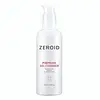
This mild gel cleanser is made to cleanse while respecting your skin barrier.
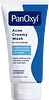
This benzoyl peroxide cream cleanser is formulated around Benzoyl Peroxide to clear breakouts and help reduce acne-causing bacteria.


What's inside
What's inside
 Key Ingredients
Benefits
Concerns
No concerns
Ingredients Side-by-side
Water
Skin ConditioningDecyl Glucoside
Cleansing
Disodium Cocoyl Glutamate
Cleansing
Propanediol
Solvent

Glycerin
Humectant
Sodium Laurylglucosides Hydroxypropylsulfonate
CleansingDisodium Cocoamphodiacetate
CleansingSodium Chloride
MaskingSodium Lactate
Buffering
Sodium Gluconate
ChelatingPanthenol
Skin Conditioning

Zinc PCA
Humectant



Xanthan Gum
EmulsifyingMyristoyl/Palmitoyl Oxostearamide/Arachamide Mea
Skin ConditioningO-Cymen-5-Ol
Antimicrobial
Disodium EDTA
ChelatingCitric Acid
Buffering


1,2-Hexanediol
Skin Conditioning
Caprylyl Glycol
Emollient
Hexylene Glycol
EmulsifyingWater, Decyl Glucoside, Disodium Cocoyl Glutamate, Propanediol, Glycerin, Sodium Laurylglucosides Hydroxypropylsulfonate, Disodium Cocoamphodiacetate, Sodium Chloride, Sodium Lactate, Sodium Gluconate, Panthenol, Zinc PCA, Xanthan Gum, Myristoyl/Palmitoyl Oxostearamide/Arachamide Mea, O-Cymen-5-Ol, Disodium EDTA, Citric Acid, 1,2-Hexanediol, Caprylyl Glycol, Hexylene Glycol
Benzoyl Peroxide 4%




Carbomer
Emulsion StabilisingDecyl Glucoside
Cleansing
Dimethicone
Emollient
Diethylhexyl Sodium Sulfosuccinate
CleansingGlycerin
Humectant
Palmitic Acid
Emollient


Polyacrylate Crosspolymer-6
Emulsion StabilisingPEG-40 Stearate
Emulsifying
Propanediol
Solvent
Water
Skin ConditioningSilica
Abrasive
Sodium Chloride
MaskingSodium Citrate
BufferingSodium Hydroxide
BufferingSodium Laurylglucosides Hydroxypropylsulfonate
CleansingSorbitan Stearate
Emulsifying
Sorbitol
Humectant
Stearic Acid
Cleansing
T-Butyl Alcohol
Perfuming


Xanthan Gum
EmulsifyingBenzoyl Peroxide 4%, Carbomer, Decyl Glucoside, Dimethicone, Diethylhexyl Sodium Sulfosuccinate, Glycerin, Palmitic Acid, Polyacrylate Crosspolymer-6, PEG-40 Stearate, Propanediol, Water, Silica, Sodium Chloride, Sodium Citrate, Sodium Hydroxide, Sodium Laurylglucosides Hydroxypropylsulfonate, Sorbitan Stearate, Sorbitol, Stearic Acid, T-Butyl Alcohol, Xanthan Gum
Reviews
Ingredients Explained
These ingredients are found in both products.
Ingredients higher up in an ingredient list are typically present in a larger amount.
Decyl Glucoside is a plant-derived surfactant and emulsion stabilizer. It is created by reacting glucose with the fatty acids from plants.
Like all surfactants, it works by lowering the surface tension between water and oil. This makes it so that dirt, sebum, and makeup can be lifted off your skin and rinsed away. It also produces a dense and creamy foam.
Because it has a neutral charge, it is compatible with a wide range of ingredients and stays stable across a broad pH range/water hardiness conditions.
Patch testing has shown it to have the lowest irritation potential among common cleansing surfactants (like SLS).
Typical use levels range from 5-20% in rinse-off cleansers.
One thing worth knowing: The American Contact Dermatitis Society named the parent family, alkyl glucosides, "Allergen of the Year" in 2017. The prevalence of allergy is pretty low but be sure to patch test if you've reacted to "gentle" or sulfate-free cleansers before.
This ingredient is fungal acne safe because the fatty alcohol portion of this ingredient is not within the C11-24 chain length that Malassezia can metabolize.
Learn more about Decyl GlucosideGlycerin (or glycerol) is a compound naturally found in your skin. It's a powerhouse humectant that pulls water into the stratum corneum.
Topically, glycerin does several things at once:
Your skin makes glycerin on its own (mostly from sebaceous oil breakdown) and shuttles it to your outermost layer of skin, or your epidermis, via aquaporin-3.
Aquaporin-3 is a transporter that is essential for normal skin hydration, elasticity, and repair. Interestingly, mice lacking in AQP3 have dry and less elastic skin that can be fully corrected with glycerin.
This ingredient is non-irritating, plays well with almost every ingredient, and works across all skin types. Typical use is anywhere between 3-10% but can go up to 79% in some leave-on products.
Just know very high concentrations (>40%) can feel tacky in low humidity.
Glycerin is the name for this ingredient in American English. British English uses Glycerol/Glycerine.
Learn more about GlycerinPropanediol is an all-star ingredient. It softens, hydrates, and smooths the skin.
It’s often used to:
Propanediol is not likely to cause sensitivity and considered safe to use. It is derived from corn or petroleum with a clear color and no scent.
Learn more about PropanediolChances are, you eat sodium chloride every day. Sodium Chloride is also known as table salt. This ingredient has many purposes in skincare: thickener, emulsifier, and exfoliator.
You'll most likely find this ingredient in cleansers where it is used to create a gel-like texture. As an emulsifier, it also prevents ingredients from separating.
You might see people debate whether Sodium Chloride is comedogenic, but there actually haven't been any comedogenic tests done on it. Either way, the overall formulation of a product matters a lot more than any single ingredient.
You might see this ingredient used in scrubs as a primary exfoliating ingredient.
Learn more about Sodium ChlorideWe don't have a description for Sodium Laurylglucosides Hydroxypropylsulfonate yet.
Water. It's the most common cosmetic ingredient of all. You'll usually see it at the top of ingredient lists, meaning that it makes up the largest part of the product.
So why is it so popular? Water most often acts as a solvent - this means that it helps dissolve other ingredients into the formulation.
You'll also recognize water as that liquid we all need to stay alive. If you see this, drink a glass of water. Remember to stay hydrated!
Learn more about WaterXanthan gum is used as a stabilizer and thickener within cosmetic products. It helps give products a sticky, thick feeling - preventing them from being too runny.
On the technical side of things, xanthan gum is a polysaccharide - a combination consisting of multiple sugar molecules bonded together.
Xanthan gum is a pretty common and great ingredient. It is a natural, non-toxic, non-irritating ingredient that is also commonly used in food products.
Learn more about Xanthan Gum

