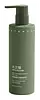
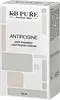
Watercome Niacinamide Essence Whitening Body Lotion Versus KB Pure Antirosine Anti-Pigment Lightening Cream
This brightening treatment is formulated around Undecylenoyl Phenylalanine and Potassium Azeloyl Diglycinate to fade the look of dark spots and brighten dull-looking skin.


What's inside
What's inside
 Key Ingredients
Benefits
Concerns
Ingredients Side-by-side
Water
Skin ConditioningGlycerin
Humectant


Rosmarinus Officinalis Leaf Water
MaskingNiacinamide
Smoothing









Cetearyl Alcohol
Emollient






Ethylhexyl Palmitate
Emollient
Propylene Glycol
Humectant
Dimethicone
Emollient
Butyrospermum Parkii Oil
Emollient
Glyceryl Stearate
Emollient
Phenoxyethanol
Preservative
Parfum
Masking


PEG-40 Stearate
Emulsifying
Ceteareth-20
Cleansing
Allantoin
Skin Conditioning
Methylparaben
Preservative

Acrylates/C10-30 Alkyl Acrylate Crosspolymer
Emulsion StabilisingSodium Polyacrylate
Absorbent
Triethanolamine
BufferingEthylhexyl Cocoate
Emollient
Disodium EDTA
ChelatingButylene Glycol
Humectant
Rosmarinus Officinalis Leaf Oil
Masking
PPG-3 Benzyl Ether Myristate
EmollientPolysorbate 20
Emulsifying
Lactic Acid
Buffering
Pentylene Glycol
Skin Conditioning
Ascorbic Acid
Antioxidant

Avena Sativa Kernel Extract
Abrasive
Alpha-Arbutin
Antioxidant
Sodium Acetylated Hyaluronate
Humectant
Sodium Hyaluronate
Humectant
Sodium Hyaluronate Crosspolymer
Humectant
Hydrolyzed Sodium Hyaluronate
Skin Conditioning
Ethylhexylglycerin
Skin ConditioningWater, Glycerin, Rosmarinus Officinalis Leaf Water, Niacinamide, Cetearyl Alcohol, Ethylhexyl Palmitate, Propylene Glycol, Dimethicone, Butyrospermum Parkii Oil, Glyceryl Stearate, Phenoxyethanol, Parfum, PEG-40 Stearate, Ceteareth-20, Allantoin, Methylparaben, Acrylates/C10-30 Alkyl Acrylate Crosspolymer, Sodium Polyacrylate, Triethanolamine, Ethylhexyl Cocoate, Disodium EDTA, Butylene Glycol, Rosmarinus Officinalis Leaf Oil, PPG-3 Benzyl Ether Myristate, Polysorbate 20, Lactic Acid, Pentylene Glycol, Ascorbic Acid, Avena Sativa Kernel Extract, Alpha-Arbutin, Sodium Acetylated Hyaluronate, Sodium Hyaluronate, Sodium Hyaluronate Crosspolymer, Hydrolyzed Sodium Hyaluronate, Ethylhexylglycerin
Undecylenoyl Phenylalanine
Skin Conditioning
Squalane 3%
Emollient
Curcumin
Antioxidant
Potassium Azeloyl Diglycinate 7%
Skin Conditioning
4-Butylresorcinol 0.5%
Antioxidant
Lactic Acid 3.52%
Buffering
Panthenol 1.5%
Skin Conditioning
Citric Acid 1%
Buffering
Panthenyl Triacetate
Tocopherol
Antioxidant
Naringenin
Skin ConditioningBiosaccharide Gum-2
Skin ConditioningKojic Dipalmitate 2%
Emollient
Calcium Ascorbate
Antioxidant
Alpha-Arbutin 3%
Antioxidant
Xylitylglucoside
Humectant
Anhydroxylitol
Humectant
Xylitol
Humectant
Undecylenoyl Phenylalanine, Squalane 3%, Curcumin, Potassium Azeloyl Diglycinate 7%, 4-Butylresorcinol 0.5%, Lactic Acid 3.52%, Panthenol 1.5%, Citric Acid 1%, Panthenyl Triacetate, Tocopherol, Naringenin, Biosaccharide Gum-2, Kojic Dipalmitate 2%, Calcium Ascorbate, Alpha-Arbutin 3%, Xylitylglucoside, Anhydroxylitol, Xylitol
Alternatives
Ingredients Explained
These ingredients are found in both products.
Ingredients higher up in an ingredient list are typically present in a larger amount.
Alpha-Arbutin is a brightening active used to fade dark spots, melasma, and post-acne marks. Structurally, it is a hydroquinone with a sugar molecule attached (but is much gentler than raw hydroquinone).
It has a pretty elegant way of working; it slots into tyrosinase, or the key enzyme that your skin uses to make melanin), and competitively blocks it so your skin produces less pigment over time.
There are two forms of arbutin and alpha is the better one to reach for: it works at lower amounts, absorbs into skin more easily, and has a strong safety record.
The science backs this up too: lab and animal studies confirm it lowers melanin by blocking tyosinase and the more you use (up to a point), the more it works.
Human studies look good too.
A 2024 trial found a cream with 5% alpha-arbutin and 2% kojic acid worked about as well as a prescription melasma cream but with fewer side effects. Another study showed 2% alpha-arbutin paired with 10% Trihydroxybenzoic Acid Glucoside and sunscreen faded dark spots and melasma without causing irritation.
Concentration-wise, most serums land in the 1-2% range.
The EU's Scientific Committee on Consumer Safety concluded that alpha-arbutin is safe in face creams up to 2% and body lotions up to 0.5%.
Overall, this is a well-studied and low-irritation brightener that's a great pick for anyone dealing with uneven skin tone. It also pairs well with vitamin C, niacinamide, and sunscreen.
Alpha-Arbutin is a brightening molecule with a sugar attached to it. That sugar makes it love water which is great for keeping products stable...but not so great for getting through your skin.
The outer layer of your skin is oily and waterproof by design so water-loving ingredients have a harder time getting past it.
Lab tests using real human skin show only a tiny fraction of the Alpha-Arbutin applied actually made it below the surface. Most of it just sat on top and eventually got washed or rubbed away.
So why bother?
Because it doesn't really need to go far. Pigment gets made just under the surface so even a small amount landing in the right place can slow it down. Studies where people used 2% Alpha-Arbutin along with sunscreen did see dark spots fade. Keep in mind it's just slow so expect months, not weeks.
You might have heard Alpha-Arbutin turns into hydroquinone (a much stronger, prescription-level brightener) once it's on your face. It can happen in theory since bacteria on your skin can break that sugar off.
But the amount was almost nothing when researchers actually measured it on real people. That's why European safety regulators looked at all of this in 2023 and said 2% for face products and 0.5% for body products is fine.
We can tell you a product has Alpha-Arbutin in it but nobody can tell you how much will absorb into your skin. Here's why:
This is why safety regulators test absorption on actual skin in a lab instead of trying to calculate it. If it could be predicted from an ingredient list, they'd do that.
Learn more about Alpha-ArbutinLactic Acid is another well-loved alpha hydroxy acid (AHA). It is gentler than glycolic acid but still highly effective.
Its main role is to exfoliate the surface of the skin by loosening the “glue” that holds dead skin cells together. Shedding those old cells leads to smoother, softer, and more even-toned skin.
Because lactic acid molecules are larger than glycolic acid, they don’t penetrate as deeply. This means they’re less likely to sting or irritate, making it a great choice for beginners or those with sensitive skin.
Like glycolic acid, it can:
Lactic acid also acts as a humectant (like hyaluronic acid). It can draw water into the skin to improve hydration and also plays a role in the skin's natural moisturizing factor (NMF) in the form of sodium lactate.
Studies show it can boost ceramide production to strengthen the skin barrier and even help balance the skin’s microbiome.
To get results, choose products with a pH between 3-4.
Lower strengths (5-12%) focus on surface exfoliation; higher strengths (12% and up) can reach deeper in the dermis (deeper, supportive layer) to improve skin texture and firmness over time.
Though it was originally derived from milk, most modern lactic acid used in skincare is vegan. It is made through non-dairy fermentation to create a bio-identical and stable form suitable for all formulations.
When lactic acid shows up near the end of an ingredient list, it usually means the brand added just a tiny amount to adjust the product’s pH.
Legend has it that Cleopatra used to bathe in sour milk to help reduce wrinkles.
Lactic acid is truly a gentle multitasker: it exfoliates, hydrates, strengthens, and brightens. It's a great ingredient for giving your skin a smooth, glowing, and healthy look without the harshness of stronger acids.
Read more about some other popular AHA's here:
Learn more about Lactic Acid

