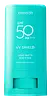
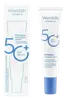
Wardah UV Shield Light Matte Sun Stick SPF 50 PA++++ Versus Wardah UV Shield Physical Sunscreen Serum SPF 50+
This chemical sunscreen covers the full UV range and blocks ~98% of UVB at SPF 50.
This mineral sunscreen covers the full UV range and blocks ~98% of UVB at SPF 50.

What's inside
What's inside
 Key Ingredients
Benefits
Concerns
Ingredients Side-by-side
C12-15 Alkyl Benzoate
AntimicrobialOctocrylene
UV Absorber



Homosalate
Skin Conditioning
Silica
Abrasive


Bis-Ethylhexyloxyphenol Methoxyphenyl Triazine
UV Absorber
Polyethylene
Abrasive
Tribehenin
Emollient

Dimethicone/Vinyl Dimethicone Crosspolymer
Skin Conditioning
Isohexadecane
EmollientEthylhexyl PCA
HumectantMea-Salicylate
Preservative
Butyl Methoxydibenzoylmethane
UV Absorber
Butyloctyl Salicylate
Skin Conditioning
Dimethicone
Emollient
Polymethyl Methacrylate
Phenoxyethanol
Preservative
Tocopheryl Acetate
Antioxidant


Ethylhexylglycerin
Skin ConditioningTocopherol
Antioxidant




Parfum
Masking

C12-15 Alkyl Benzoate, Octocrylene, Homosalate, Silica, Bis-Ethylhexyloxyphenol Methoxyphenyl Triazine, Polyethylene, Tribehenin, Dimethicone/Vinyl Dimethicone Crosspolymer, Isohexadecane, Ethylhexyl PCA, Mea-Salicylate, Butyl Methoxydibenzoylmethane, Butyloctyl Salicylate, Dimethicone, Polymethyl Methacrylate, Phenoxyethanol, Tocopheryl Acetate, Ethylhexylglycerin, Tocopherol, Parfum
Water
Skin ConditioningZinc Oxide
Cosmetic Colorant
Coco-Caprylate/Caprate
Emollient
Dicaprylyl Ether
Emollient
Polyhydroxystearic Acid
Emulsifying
Trisiloxane
Skin Conditioning
Arachidyl Alcohol
Emollient
Triethoxycaprylylsilane
Hydroxyethyl Acrylate/Sodium Acryloyldimethyl Taurate Copolymer
Emulsion StabilisingBehenyl Alcohol
Emollient
Phenoxyethanol
Preservative
Arachidyl Glucoside
EmulsifyingChlorphenesin
Antimicrobial
Polyacrylate Crosspolymer-6
Emulsion StabilisingAllantoin
Skin Conditioning
Avena Sativa Kernel Flour
Abrasive
Bisabolol
Antioxidant
Biosaccharide Gum-1
Humectant
Tocopherol
Antioxidant
Butylene Glycol
Humectant
Glycerin
Humectant
Propanediol
Solvent
Houttuynia Cordata Extract
Skin Conditioning
Artemisia Capillaris Flower Extract
Skin ConditioningHaberlea Rhodopensis Leaf Extract
Skin ConditioningCamellia Sinensis Leaf Extract
Antimicrobial
Citric Acid
Buffering
Polymethylsilsesquioxane
Ethylhexylglycerin
Skin ConditioningAminomethyl Propanol
BufferingWater, Zinc Oxide, Coco-Caprylate/Caprate, Dicaprylyl Ether, Polyhydroxystearic Acid, Trisiloxane, Arachidyl Alcohol, Triethoxycaprylylsilane, Hydroxyethyl Acrylate/Sodium Acryloyldimethyl Taurate Copolymer, Behenyl Alcohol, Phenoxyethanol, Arachidyl Glucoside, Chlorphenesin, Polyacrylate Crosspolymer-6, Allantoin, Avena Sativa Kernel Flour, Bisabolol, Biosaccharide Gum-1, Tocopherol, Butylene Glycol, Glycerin, Propanediol, Houttuynia Cordata Extract, Artemisia Capillaris Flower Extract, Haberlea Rhodopensis Leaf Extract, Camellia Sinensis Leaf Extract, Citric Acid, Polymethylsilsesquioxane, Ethylhexylglycerin, Aminomethyl Propanol
Reviews
Ingredients Explained
These ingredients are found in both products.
Ingredients higher up in an ingredient list are typically present in a larger amount.
Ethylhexylglycerin is created from glycerin. It is a multitasker ingredient that:
The CIR Expert Panel found minimal skin absorption or sensitization of any kind in a safety assessment. Though this ingredient is considered well-tolerated, a small number of cases of allergic dermatitis have been published since 2002. Just be sure to patch test if you are unsure.
Industry-reported use ranges from 8% in rinse-off products and 2% in leave-on formulations.
Learn more about EthylhexylglycerinPhenoxyethanol is one of the most widely used preservatives in skincare (and for good reason!).
It has a large spectrum of antimicrobial activity and especially effective bacteria, yeast, and mold while only having a weak effect on your skin's natural microbiome.
On a cellular level, it disrupts the cell membranes of microbes by poking holes that make the cell leak. This shuts down the chemical reactions the microbe needs to make energy so it can no longer survive.
Another perk of this ingredient is that it stays functional across a wide pH range (3-10).
You'll often see it paired with boosters like Ethylhexylglycerin; one study showed that a 1:9 ratio of Ethylhexylglycerin to Phenoxyethanol damages bacterial membranes as effectively as doubling the Phenoxyethanol concentration on its own.
Typical use concentrations range from 0.3-1% depending on the formula, and this ingredient is capped at 1% int the EU.
Safety-wise, the fear mongering does not hold up to the evidence. The EU's Scientific Committee on Consumer Safety and FDA consider it safe as a preservative at up to 1%, including for children of all ages.
Adverse systemic effects only showed up in animal studies at exposures roughly 200x higher than what people get from cosmetics. And despite its very widespread use, this ingredient is a rare sensitizer and allergic reactions are uncommon.
Learn more about PhenoxyethanolTocopherol is a fat-soluble antioxidant known as Vitamin E.
You'll find this ingredient in the vast majority of skincare (for good reason). It works to neutralize free radicals, or unstable molecules generated by UV exposure, pollution, and other environmental stressors, before they can cause oxidative damage to your skin cells.
Topically applied tocopherol has been shown to protect against UV damage by ramping up the skin's own natural defense enzymes.
It also acts as a skin conditioning agent; some studies show that regular topical use can improve the skin's water-binding capacity over 2-4 weeks.
This ingredient is especially loved for being a team player. When combined with Vitamin C, the photoprotective effect of both ingredients roughly doubles and the combo also helps reduce UV-induced DNA damage.
This ingredient has some brightening potential but it's more of a prevention ingredient than spot-fader. Cell studies show it can slow down melanin production but it's worth noting that it's not the most powerful brightener out there.
In formulations, it also serves as a stabilizer that helps protect other oxidation-prone ingredients from degrading.
Concentrations usually range from 0.1-1% in most leave-on products.
Learn more about Tocopherol

