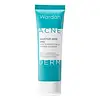
This salicylic acid foaming cleanser is formulated around Salicylic Acid to clear breakouts and unclog pores.
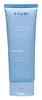
This mild gel cleanser is made to cleanse while calming and soothing your skin.

What's inside
What's inside
 Key Ingredients
Benefits
Concerns
Ingredients Side-by-side
Water
Skin ConditioningSodium Laureth Sulfate
Cleansing



Glycerin
Humectant


Cocamidopropyl Betaine
Cleansing

Decyl Glucoside
Cleansing
PEG-120 Methyl Glucose Dioleate
Emulsifying
Acrylates Copolymer
Zinc Gluconate
Skin Conditioning



PEG-3 Distearate
Emulsifying
Salicylic Acid
Masking



Allantoin
Skin Conditioning

Sodium Lauroyl Sarcosinate
CleansingEthylhexylglycerin
Skin ConditioningParfum
Masking

Sodium Chloride
MaskingPotassium Hydroxide
BufferingPhenoxyethanol
Preservative
Disodium EDTA
Water, Sodium Laureth Sulfate, Glycerin, Cocamidopropyl Betaine, Decyl Glucoside, PEG-120 Methyl Glucose Dioleate, Acrylates Copolymer, Zinc Gluconate, PEG-3 Distearate, Salicylic Acid, Allantoin, Sodium Lauroyl Sarcosinate, Ethylhexylglycerin, Parfum, Sodium Chloride, Potassium Hydroxide, Phenoxyethanol, Disodium EDTA
Water
Skin ConditioningGlycerin
Humectant
Coco-Betaine
Cleansing
Betaine
Humectant
Xanthan Gum
EmulsifyingSodium Chloride
MaskingCoco-Glucoside
Cleansing
Caprylyl Glycol
Emollient
Glyceryl Caprylate
EmollientDecyl Glucoside
Cleansing
Butylene Glycol
Humectant
Sodium Cocoyl Isethionate
Cleansing
Disodium EDTA
Panthenol
Skin Conditioning
1,2-Hexanediol
Skin Conditioning
Anthemis Nobilis Flower Extract
Masking
Citric Acid
Buffering
Quillaja Saponaria Bark Extract
CleansingAllantoin
Skin Conditioning
Caffeine
Skin Conditioning
Helianthus Annuus Seed Oil
Emollient
Camellia Sinensis Leaf Extract
Antimicrobial
Saccharomyces/Xylinum/Black Tea Ferment
Skin Conditioning
Agrimonia Eupatoria Extract
AstringentPortulaca Oleracea Extract
Skin Conditioning
Melaleuca Alternifolia Leaf Extract
Perfuming
Phenoxyethanol
Preservative
Hydroxyethylcellulose
Emulsion StabilisingPotassium Sorbate
Preservative
Water, Glycerin, Coco-Betaine, Betaine, Xanthan Gum, Sodium Chloride, Coco-Glucoside, Caprylyl Glycol, Glyceryl Caprylate, Decyl Glucoside, Butylene Glycol, Sodium Cocoyl Isethionate, Disodium EDTA, Panthenol, 1,2-Hexanediol, Anthemis Nobilis Flower Extract, Citric Acid, Quillaja Saponaria Bark Extract, Allantoin, Caffeine, Helianthus Annuus Seed Oil, Camellia Sinensis Leaf Extract, Saccharomyces/Xylinum/Black Tea Ferment, Agrimonia Eupatoria Extract, Portulaca Oleracea Extract, Melaleuca Alternifolia Leaf Extract, Phenoxyethanol, Hydroxyethylcellulose, Potassium Sorbate
Reviews
Ingredients Explained
These ingredients are found in both products.
Ingredients higher up in an ingredient list are typically present in a larger amount.
Allantoin is a soothing ingredient known for its protective and moisturizing properties; it's basically a quiet workhorse ingredient you can find in a huge range of cosmetics.
Though it can be derived from the comfrey plant, allantoin is produced synthetically for cosmetic products to ensure purity.
Research shows it can encourage your skin cells to turn over and renew by stimulating keratinocyte and fibroblast proliferation.
It also has mild keratolytic properties to help loosen and shed dead skin cells without being harsh.
Studies also suggest allantoin can help calm inflammation by dialing down some of the chemical signals your skin sends out when it is irritated.
This ingredient is typically used in the 0.1-0.5% range, and the FDA recognizes it as a skin protectant in OTC products up to 2%.
Overall, allantoin is a wonderful addition to most routines; it is stable across a wide pH range (~4-8), works well with other ingredients, and is considered non-sensitizing/non-irritating.
Fun fact: Allantoin is naturally occurring in comfrey root, beets, chamomile, and wheat sprouts. Our bodies even produce it as a byproduct of uric acid metabolism.
Learn more about AllantoinDecyl Glucoside is a plant-derived surfactant and emulsion stabilizer. It is created by reacting glucose with the fatty acids from plants.
Like all surfactants, it works by lowering the surface tension between water and oil. This makes it so that dirt, sebum, and makeup can be lifted off your skin and rinsed away. It also produces a dense and creamy foam.
Because it has a neutral charge, it is compatible with a wide range of ingredients and stays stable across a broad pH range/water hardiness conditions.
Patch testing has shown it to have the lowest irritation potential among common cleansing surfactants (like SLS).
Typical use levels range from 5-20% in rinse-off cleansers.
One thing worth knowing: The American Contact Dermatitis Society named the parent family, alkyl glucosides, "Allergen of the Year" in 2017. The prevalence of allergy is pretty low but be sure to patch test if you've reacted to "gentle" or sulfate-free cleansers before.
This ingredient is fungal acne safe because the fatty alcohol portion of this ingredient is not within the C11-24 chain length that Malassezia can metabolize.
Learn more about Decyl GlucosideDisodium EDTA is a chelating agent. It grabs onto and deactivates metal ions that sneak into your products from water, packaging, or air.
This ingredient mainly works behind the scenes and helps with:
On top of that, this ingredient can counteract the effects of hard water by binding to the minerals in it.
One thing worth knowing is that Disodium EDTA has been shown to be a mild penetration enhancer. It can help other ingredients absorb into skin more effectively which can be a double-edged sword (great for actives, but can also make the active too strong if you have sensitive skin).
Clinical patch testing showed no significant skin irritation at typical use concentrations and minimal dermal absorption.
You'll most likely see this ingredient near the end of an ingredient list. It's typically found in concentrations less than 1%.
Learn more about Disodium EDTAGlycerin (or glycerol) is a compound naturally found in your skin. It's a powerhouse humectant that pulls water into the stratum corneum.
Topically, glycerin does several things at once:
Your skin makes glycerin on its own (mostly from sebaceous oil breakdown) and shuttles it to your outermost layer of skin, or your epidermis, via aquaporin-3.
Aquaporin-3 is a transporter that is essential for normal skin hydration, elasticity, and repair. Interestingly, mice lacking in AQP3 have dry and less elastic skin that can be fully corrected with glycerin.
This ingredient is non-irritating, plays well with almost every ingredient, and works across all skin types. Typical use is anywhere between 3-10% but can go up to 79% in some leave-on products.
Just know very high concentrations (>40%) can feel tacky in low humidity.
Glycerin is the name for this ingredient in American English. British English uses Glycerol/Glycerine.
Learn more about GlycerinPhenoxyethanol is one of the most widely used preservatives in skincare (and for good reason!).
It has a large spectrum of antimicrobial activity and especially effective bacteria, yeast, and mold while only having a weak effect on your skin's natural microbiome.
On a cellular level, it disrupts the cell membranes of microbes by poking holes that make the cell leak. This shuts down the chemical reactions the microbe needs to make energy so it can no longer survive.
Another perk of this ingredient is that it stays functional across a wide pH range (3-10).
You'll often see it paired with boosters like Ethylhexylglycerin; one study showed that a 1:9 ratio of Ethylhexylglycerin to Phenoxyethanol damages bacterial membranes as effectively as doubling the Phenoxyethanol concentration on its own.
Typical use concentrations range from 0.3-1% depending on the formula, and this ingredient is capped at 1% int the EU.
Safety-wise, the fear mongering does not hold up to the evidence. The EU's Scientific Committee on Consumer Safety and FDA consider it safe as a preservative at up to 1%, including for children of all ages.
Adverse systemic effects only showed up in animal studies at exposures roughly 200x higher than what people get from cosmetics. And despite its very widespread use, this ingredient is a rare sensitizer and allergic reactions are uncommon.
Learn more about PhenoxyethanolChances are, you eat sodium chloride every day. Sodium Chloride is also known as table salt. This ingredient has many purposes in skincare: thickener, emulsifier, and exfoliator.
You'll most likely find this ingredient in cleansers where it is used to create a gel-like texture. As an emulsifier, it also prevents ingredients from separating.
You might see people debate whether Sodium Chloride is comedogenic, but there actually haven't been any comedogenic tests done on it. Either way, the overall formulation of a product matters a lot more than any single ingredient.
You might see this ingredient used in scrubs as a primary exfoliating ingredient.
Learn more about Sodium ChlorideWater. It's the most common cosmetic ingredient of all. You'll usually see it at the top of ingredient lists, meaning that it makes up the largest part of the product.
So why is it so popular? Water most often acts as a solvent - this means that it helps dissolve other ingredients into the formulation.
You'll also recognize water as that liquid we all need to stay alive. If you see this, drink a glass of water. Remember to stay hydrated!
Learn more about Water

