

What's inside
What's inside
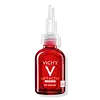 Key Ingredients
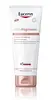
Benefits
Concerns
Ingredients Side-by-side
Water
Skin ConditioningButylene Glycol
Humectant
Niacinamide
Smoothing










Hydroxyethylpiperazine Ethane Sulfonic Acid
BufferingGlycerin
Humectant
Hydroxyethyl Urea
Humectant
Propylene Glycol
Humectant

Glycolic Acid
Buffering


Tranexamic Acid
Astringent
Allantoin
Skin Conditioning
Sodium Hydroxide
BufferingPhenoxyethanol
Preservative
Chlorphenesin
Antimicrobial
Ascorbyl Glucoside
Antioxidant

Caprylyl Glycol
Emollient
Hydrolyzed Rice Protein
Skin ConditioningVitreoscilla Ferment
Skin ConditioningTrisodium Ethylenediamine Disuccinate
Xanthan Gum
EmulsifyingPentylene Glycol
Skin ConditioningWater, Butylene Glycol, Niacinamide, Hydroxyethylpiperazine Ethane Sulfonic Acid, Glycerin, Hydroxyethyl Urea, Propylene Glycol, Glycolic Acid, Tranexamic Acid, Allantoin, Sodium Hydroxide, Phenoxyethanol, Chlorphenesin, Ascorbyl Glucoside, Caprylyl Glycol, Hydrolyzed Rice Protein, Vitreoscilla Ferment, Trisodium Ethylenediamine Disuccinate, Xanthan Gum, Pentylene Glycol
Water
Skin ConditioningGlycerin
Humectant
Alcohol Denat.
Antimicrobial



Cetearyl Alcohol
Emollient

Diisopropyl Adipate
EmollientPanthenol
Skin Conditioning
Caprylic/Capric Triglyceride
Masking
Glyceryl Stearate Citrate
Emollient
Behenyl Alcohol
Emollient
Cetyl Palmitate
Emollient
Butyrospermum Parkii Butter
Skin Conditioning
Cocoglycerides
Emollient
Distarch Phosphate
AbsorbentIsobutylamido Thiazolyl Resorcinol
Bleaching
Sodium Hyaluronate
Humectant
Lactic Acid
Buffering
Hydroxypropyl Starch Phosphate
Triisostearin
Skin Conditioning
Citric Acid
Buffering
Tapioca Starch
Xanthan Gum
EmulsifyingPantolactone
Humectant
Trisodium EDTA
Ethylhexylglycerin
Skin ConditioningCaprylyl Glycol
Emollient
Phenoxyethanol
Preservative
Parfum
Masking
Water, Glycerin, Alcohol Denat., Cetearyl Alcohol, Diisopropyl Adipate, Panthenol, Caprylic/Capric Triglyceride, Glyceryl Stearate Citrate, Behenyl Alcohol, Cetyl Palmitate, Butyrospermum Parkii Butter, Cocoglycerides, Distarch Phosphate, Isobutylamido Thiazolyl Resorcinol, Sodium Hyaluronate, Lactic Acid, Hydroxypropyl Starch Phosphate, Triisostearin, Citric Acid, Tapioca Starch, Xanthan Gum, Pantolactone, Trisodium EDTA, Ethylhexylglycerin, Caprylyl Glycol, Phenoxyethanol, Parfum
Reviews
Ingredients Explained
These ingredients are found in both products.
Ingredients higher up in an ingredient list are typically present in a larger amount.
Caprylyl Glycol is a humectant and emollient, meaning it attracts and preserves moisture.
It is a common ingredient in many products, especially those designed to hydrate skin. The primary benefits are retaining moisture, skin softening, and promoting a healthy skin barrier.
Though Caprylyl Glycol is an alcohol derived from fatty acids, it is not the kind that can dry out skin.
This ingredient is also used as a preservative to extend the life of products. It has slight antimicrobial properties.
Learn more about Caprylyl GlycolGlycerin is already naturally found in your skin. It helps moisturize and protect your skin.
A study from 2016 found glycerin to be more effective as a humectant than AHAs and hyaluronic acid.
As a humectant, it helps the skin stay hydrated by pulling moisture to your skin. The low molecular weight of glycerin allows it to pull moisture into the deeper layers of your skin.
Hydrated skin improves your skin barrier; Your skin barrier helps protect against irritants and bacteria.
Glycerin has also been found to have antimicrobial and antiviral properties. Due to these properties, glycerin is often used in wound and burn treatments.
In cosmetics, glycerin is usually derived from plants such as soybean or palm. However, it can also be sourced from animals, such as tallow or animal fat.
This ingredient is organic, colorless, odorless, and non-toxic.
Glycerin is the name for this ingredient in American English. British English uses Glycerol/Glycerine.
Learn more about GlycerinPhenoxyethanol is a preservative that has germicide, antimicrobial, and aromatic properties. Studies show that phenoxyethanol can prevent microbial growth. By itself, it has a scent that is similar to that of a rose.
It's often used in formulations along with Caprylyl Glycol to preserve the shelf life of products.
Water. It's the most common cosmetic ingredient of all. You'll usually see it at the top of ingredient lists, meaning that it makes up the largest part of the product.
So why is it so popular? Water most often acts as a solvent - this means that it helps dissolve other ingredients into the formulation.
You'll also recognize water as that liquid we all need to stay alive. If you see this, drink a glass of water. Stay hydrated!
Learn more about WaterXanthan gum is used as a stabilizer and thickener within cosmetic products. It helps give products a sticky, thick feeling - preventing them from being too runny.
On the technical side of things, xanthan gum is a polysaccharide - a combination consisting of multiple sugar molecules bonded together.
Xanthan gum is a pretty common and great ingredient. It is a natural, non-toxic, non-irritating ingredient that is also commonly used in food products.
Learn more about Xanthan Gum
