Uriage Age Protect - Multi-Action Intensive Serum Versus Uriage Age Protect Instant Multi-correction Filler-Care
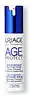
This anti-aging serum is formulated around Lactic Acid and Ascorbyl Tetraisopalmitate to soften the look of wrinkles and refine skin texture.
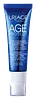
This anti-aging treatment is formulated around Squalane and Retinyl Palmitate to soften the look of wrinkles.

What's inside
What's inside
 Key Ingredients
Benefits
Concerns
Ingredients Side-by-side
Water
Skin ConditioningPropanediol
Solvent

Lactic Acid
Buffering










Isodecyl Neopentanoate
EmollientPolysorbate 60
Emulsifying
Glycerin
Humectant
Butylene Glycol
Humectant
Sodium Hydroxide
BufferingCetyl Alcohol
Emollient

Limnanthes Alba Seed Oil
Skin Conditioning
Sorbitan Stearate
Emulsifying
Ascorbyl Tetraisopalmitate
Antioxidant

Tocopheryl Acetate
Antioxidant
Sodium Hyaluronate
Humectant

Retinyl Palmitate
Skin Conditioning
Croton Lechleri Resin Extract
Skin ConditioningTocopherol
Antioxidant
Acrylates/C10-30 Alkyl Acrylate Crosspolymer
Emulsion StabilisingDimethicone
Emollient
Caesalpinia Spinosa Fruit Extract
Skin ProtectingCI 77891
Cosmetic ColorantChlorphenesin
Antimicrobial
Xanthan Gum
EmulsifyingParfum
Masking

Mica
Cosmetic ColorantO-Cymen-5-Ol
Antimicrobial
Kappaphycus Alvarezii Extract
Skin Conditioning
Adenosine
Skin Conditioning
Theobroma Cacao Seed Extract
Antioxidant
Tin Oxide
Abrasive
Water, Propanediol, Lactic Acid, Isodecyl Neopentanoate, Polysorbate 60, Glycerin, Butylene Glycol, Sodium Hydroxide, Cetyl Alcohol, Limnanthes Alba Seed Oil, Sorbitan Stearate, Ascorbyl Tetraisopalmitate, Tocopheryl Acetate, Sodium Hyaluronate, Retinyl Palmitate, Croton Lechleri Resin Extract, Tocopherol, Acrylates/C10-30 Alkyl Acrylate Crosspolymer, Dimethicone, Caesalpinia Spinosa Fruit Extract, CI 77891, Chlorphenesin, Xanthan Gum, Parfum, Mica, O-Cymen-5-Ol, Kappaphycus Alvarezii Extract, Adenosine, Theobroma Cacao Seed Extract, Tin Oxide
Water
Skin ConditioningOctyldodecyl Neopentanoate
EmollientIsododecane
EmollientButylene Glycol
Humectant
Beheneth-25
CleansingDimethicone
Emollient
Squalane
Emollient
Butyrospermum Parkii Butter
Skin Conditioning
Glycerin
Humectant
Diglycerin
Humectant
Cetyl Alcohol
Emollient
Glyceryl Behenate
Emollient
Dimethicone/Vinyl Dimethicone Crosspolymer
Skin Conditioning
Polyphenylsilsesquioxane
Sodium Polyacryloyldimethyl Taurate
Emulsion Stabilising1,2-Hexanediol
Skin Conditioning
Jojoba Esters
Emollient
Dimethicone/Bis-Isobutyl PPG-20 Crosspolymer
Emollient
Phenoxyethanol
Preservative
Helianthus Annuus Seed Cera
Emollient
Caesalpinia Spinosa Fruit Extract
Skin ProtectingXanthan Gum
EmulsifyingEthylhexyl Stearate
Emollient
Ascorbyl Tetraisopalmitate
Antioxidant
O-Cymen-5-Ol
Antimicrobial
Tocopheryl Acetate
Antioxidant
Kappaphycus Alvarezii Extract
Skin Conditioning
CI 77891
Cosmetic ColorantRetinyl Palmitate
Skin Conditioning
Acacia Decurrens Flower Cera
Emollient
Polyglycerin-3
Humectant
Adenosine
Skin Conditioning
Sodium Hyaluronate
Humectant
Mica
Cosmetic ColorantPolyglyceryl-4 Diisostearate/Polyhydroxystearate/Sebacate
Emulsifying
Sodium Hyaluronate Crosspolymer
Humectant
Sodium Isostearate
CleansingRosa Multiflora Fruit Extract
MaskingTheobroma Cacao Seed Extract
Antioxidant
Citric Acid
Buffering
Tin Oxide
Abrasive
Croton Lechleri Resin Extract
Skin ConditioningTocopherol
Antioxidant
Water, Octyldodecyl Neopentanoate, Isododecane, Butylene Glycol, Beheneth-25, Dimethicone, Squalane, Butyrospermum Parkii Butter, Glycerin, Diglycerin, Cetyl Alcohol, Glyceryl Behenate, Dimethicone/Vinyl Dimethicone Crosspolymer, Polyphenylsilsesquioxane, Sodium Polyacryloyldimethyl Taurate, 1,2-Hexanediol, Jojoba Esters, Dimethicone/Bis-Isobutyl PPG-20 Crosspolymer, Phenoxyethanol, Helianthus Annuus Seed Cera, Caesalpinia Spinosa Fruit Extract, Xanthan Gum, Ethylhexyl Stearate, Ascorbyl Tetraisopalmitate, O-Cymen-5-Ol, Tocopheryl Acetate, Kappaphycus Alvarezii Extract, CI 77891, Retinyl Palmitate, Acacia Decurrens Flower Cera, Polyglycerin-3, Adenosine, Sodium Hyaluronate, Mica, Polyglyceryl-4 Diisostearate/Polyhydroxystearate/Sebacate, Sodium Hyaluronate Crosspolymer, Sodium Isostearate, Rosa Multiflora Fruit Extract, Theobroma Cacao Seed Extract, Citric Acid, Tin Oxide, Croton Lechleri Resin Extract, Tocopherol
Ingredients Explained
These ingredients are found in both products.
Ingredients higher up in an ingredient list are typically present in a larger amount.
Adenosine is a purine nucleoside that your body already makes in every cell. In skincare, it acts mainly as a skin conditioning and anti-aging agent.
The way it works is fairly well mapped out:
Your skin has cells called fibroblasts that build collagen (the stuff that keeps skin firm and smooth). Adenosine basically flips a switch on these cells that tells them to get to work making more collagen and other proteins. These cells slow down on their own as skin ages, so Adenosine helps give them a little nudge to keep going.
The clinical backing is pretty solid too.
A blind, randomized, placebo-controlled trial of 126 women aged 45-65 tested a 0.1% cream twice daily and found real improvements in crow's feet and frown lines using a precise 3D skin-mapping technique; these changes showed up by week 3 and held at 2 months.
A later study using Adenosine-loaded dissolving microneedle patches reported gains in wrinkle depth, dermal density, elasticity, and hydration.
On concentrations, South Korea's Ministry of Food and Drug Safety has set 0.04% as the approved functional anti-wrinkle level. You'll typically see this ingredient used somewhere in the 0.04-0.1% range since it works at low doses.
This ingredient has been found safe for cosmetics with the data showing no irritation or sensitization.
Overall, this is a great ingredient for any anti-aging routine and has no photosensitizing effect, so it suits both AM and PM use.
Learn more about AdenosineAscorbyl Tetraisopalmitate is a version of ascorbic acid, or Vitamin C.
This ingredient has many benefits including reducing wrinkles, skin soothing, dark spot fading, and fighting against free radicals.
It helps with dark spot fading by interfering with the process of skin darkening, helping to reduce hyperpigmentation. Like other forms of vitamin C, this ingredient encourages the skin to create more collagen.
As an antioxidant, it helps fight free-radicals. Free-radicals are molecules that may damage your skin cells.
One study found Ascorbyl Tetraisopalmitate to degrade in sunlight, but is stabilized when combined with acetyl zingerone.
Learn more about Ascorbyl TetraisopalmitateButylene Glycol (or BG) is used within cosmetic products for a few different reasons:
Overall, Butylene Glycol is a safe and well-rounded ingredient that works well with other ingredients.
Though this ingredient works well with most skin types, some people with sensitive skin may experience a reaction such as allergic rashes, closed comedones, or itchiness.
Learn more about Butylene GlycolWe don't have a description for Caesalpinia Spinosa Fruit Extract yet.
Cetyl Alcohol is a fatty alcohol. Fatty Alcohols are most often used as an emollient or to thicken a product.
Its main roles are:
Though it has "alcohol" in the name, it is not related to denatured alcohol or ethyl alcohol.
The FDA allows products labeled "alcohol-free" to have fatty alcohols.
This ingredient may not be fungal acne safe. It is a primary fatty alcohol with a chain length above 12 carbons. A study from 2019 show Malassezia can feed on fatty alcohols in this range, so it may trigger fungal acne in those prone to it.
Learn more about Cetyl AlcoholCi 77891 is a white pigment from Titanium dioxide. It is naturally found in minerals such as rutile and ilmenite.
It's main function is to add a white color to cosmetics. It can also be mixed with other colors to create different shades.
Ci 77891 is commonly found in sunscreens due to its ability to block UV rays.
Learn more about CI 77891We don't have a description for Croton Lechleri Resin Extract yet.
Dimethicone is a type of synthetic silicone created from natural materials such as quartz. It is also known as polydimethylsiloxane.
What it does:
Dimethicone comes in different viscosities:
Depending on the viscosity, dimethicone has different properties.
Ingredients lists don't always show which type is used, so we recommend reaching out to the brand if you have questions about the viscosity.
This ingredient is unlikely to cause irritation because it does not get absorbed into skin. However, people with silicone allergies should be careful about using this ingredient.
Note: Dimethicone may contribute to pilling. This is because it is not oil or water soluble, so pilling may occur when layered with products. When mixed with heavy oils in a formula, the outcome is also quite greasy.
Learn more about DimethiconeGlycerin (or glycerol) is a compound naturally found in your skin. It's a powerhouse humectant that pulls water into the stratum corneum.
Topically, glycerin does several things at once:
Your skin makes glycerin on its own (mostly from sebaceous oil breakdown) and shuttles it to your outermost layer of skin, or your epidermis, via aquaporin-3.
Aquaporin-3 is a transporter that is essential for normal skin hydration, elasticity, and repair. Interestingly, mice lacking in AQP3 have dry and less elastic skin that can be fully corrected with glycerin.
This ingredient is non-irritating, plays well with almost every ingredient, and works across all skin types. Typical use is anywhere between 3-10% but can go up to 79% in some leave-on products.
Just know very high concentrations (>40%) can feel tacky in low humidity.
Glycerin is the name for this ingredient in American English. British English uses Glycerol/Glycerine.
Learn more about GlycerinThis is an extract from a red seaweed and the world's main source of kappa-carrageenan (that's the gelling sugar you've probably eaten in ice cream).
In cosmetics, it's a skin conditioning agent that works like most seaweed sugars: it grabs onto water and forms a light, flexible film on the surface. This keeps the skin hydrated and helps it feel smoother right away.
A small 2026 trial (28 people) found a serum with 1.5% of the seaweed gel bumped up hand hydration for at least an hour compared to the hyaluronic acid control.
There's also some anti-aging research with an asterisk: scientists chopped the polysaccharide down to a tiny 4 kDa version and found it soaked into skin better than hyaluronic acid, calmed inflammation markers, reduced collagen-degrading MMPs, and improved wrinkles in UV-exposed mice.
While this is encouraging, it's way too big to go anywhere so it mostly stays on the surface of skin doing hydration duty.
It has a pretty solid safety profile: low cytotoxicity at its use level, negative genotoxicity data, human sensitization testing done at 0.8%, and no allergy case reports floating around.
You'll see algae listed as a 5/5 on a lot of pore-clogging charts and that number doesn't come from anywhere; it's not in the original rabbit-ear studies that most comedogenic ratings trace back to.
The reasoning behind the reputation is that seaweed is high in iodine and iodine can trigger acne-like breakouts when eaten. This traces back to a 1976 letter in Archives of Dermatology describing two women whose breakouts cleared after they stopped taking high-dose kelp supplements orally.
And the reaction of these two women wasn't clogged pores at all: it was an iodine-triggered pustular rash. Later research found normal dietary iodine doesn't meaningfully affect acne either and nobody has shown topical algae delivers enough iodine to matter.
What we do have is dozens of brown and red algae ingredients found to be non-irritating and non-sensitizing, and a handful of studies that found algae compounds may actually help acne.
However, plenty of people do report breaking out from algae-containing products. Skin is individual and it's worth avoiding if yours has reacted to algae before.
Learn more about Kappaphycus Alvarezii ExtractMica is a naturally occurring mineral used to add shimmer and color in cosmetics. It can also help improve the texture of a product or give it an opaque, white/silver color.
Serecite is the name for very fine but ragged grains of mica.
This ingredient is often coated with metal oxides like titanium dioxide. Trace amounts of heavy metals may be found in mica, but these metals are not harmful in our personal products.
Mica has been used since prehistoric times throughout the world. Ancient Egyptian, Indian, Greek, Roman, Aztec, and Chinese civilizations have used mica.
Learn more about MicaThis ingredient is more commonly known as IPMP or Isopropyl Methylphenol. It is a preservative and has antimicrobial properties.
According to the EPA, this ingredient is allowed for use in cleansers, creams, powders, bath products, toothpaste, perfume, and more.
Retinyl Palmitate is a form of retinoid. Retinoids are the superstar class of anti-aging ingredients that include Tretinoin and Retinol.
This particular ingredient has had a bumpy year with its rise and fall in popularity.
First, Retinyl Palmitate is created from Palmitic Acid and Retinol. It is a Retinol ester and considered one of the weaker forms of retinoid.
This is because all retinoids have to be converted to Tretinoin, AKA Retinoic Acid.
Retinyl Palmitate is pretty far down the line and has to go through multiple conversions before its effects are seen. Once it's on your skin, enzymes called esterases convert it into Retinol, then into Retinal, and finally into Retinoic Acid; that's three steps with a little lost at each one.
The benefits of Retinyl Palmitate are debated due to this long and ineffective conversion line.
So why use it at all?
The answer is stability. Retinol and Retinoic Acid break down fast when they hit light, heat, and air, and Retinoic Acid can be pretty irritating on top of that.
Retinyl Palmitate is much more stable and gentler, making it easier to formulate with and easier on sensitive skin (even if it's weaker gram for gram).
Studies show Retinyl Palmitate to help:
Newer research from 2023-2025 also found that Retinyl Palmitate works especially well when paired with Retinol. The two seem to cover each other's weak spots; retinol brings the potency while Retinyl Palmitate brings the stability and gentleness. Together, they repair UV damage better than either one does alone.
This ingredient used to be found in sunscreens to boost the efficacy of sunscreen filters.
The downfall of Retinyl Palmitate was due to released reports about the ingredient being correlated to sun damage and skin tumors.
Most of this traces back to a 2012 US National Toxicology Program (NTP) study where hairless mice coated in Retinyl Palmitate cream and exposed to UV light developed skin tumors faster.
Here's the nuance, though.
When the Cosmetic Ingredient Review (CIR) Expert Panel went back through that study, they found methodological flaws and decided the results couldn't be interpreted as proof of extra risk.
The EU's Scientific Committee on Consumer Safety (SCCS) said the mouse findings might point to a concern but they're hard to apply to humans since hairless mouse skin and human skin behave differently.
While there is a study showing this ingredient to cause DNA damage when exposed to UVA, there is no concrete proof of it being linked to skin cancer. It is completely safe to use when used correctly.
Both the CIR and the SCCS consider it safe at the concentrations used in cosmetics; the SCCS specifically cleared retinoids up to 0.05% in body lotions and 0.3% in face creams, hand creams, and rinse-off products.
As of 2025, the EU has written those limits into law, plus a label warning about your total Vitamin A intake from all sources.
All retinoids increase your skin's sensitivity to the sun in the first few months of usage. Be especially careful with reapplying sunscreen when using any form of retinoid.
One more note: if you're pregnant, high doses of Vitamin A can be a concern, so a lot of people skip topical retinoids (including Retinyl Palmitate) during pregnancy just to be safe. Check with your doctor if you're unsure.
Fun fact: This ingredient is often added to low-fat milk to increase the levels of Vitamin A.
Learn more about Retinyl PalmitateSodium Hyaluronate is the salt form of hyaluronic acid. It is a long sugar chain that is naturally found in your skin, joints, and connective tissue that maintains hydration and elasticity.
In skincare, it works as a humectant. It pulls water from the environment and deeper layers of skin and binds it to the surface.
Interestingly, the size of the molecule affects its behavior:
Some clinical evidence links low molecular weight versions to improved wrinkle depth, elasticity, anti-inflammatory effects, and barrier repair.
Many serums use a blend of both weights so you can get surface hydration plus longer-lasting and deeper effects.
You'll typically see concentrations between 0.1-2% for this ingredient.
Learn more about Sodium HyaluronateTheobroma Cacao Seed Extract comes from the Theobroma cacoa, or Cacao tree. Cacao trees are native to tropical landscapes.
Cacao seed extract contains antioxidants known as polyphenols.
Tin Oxide is an inorganic oxide used to add opacity and volume to a product. In nature, it is already found in mineral form. The main ore of tin is an opaque and shiny mineral called casseterite.
Tin Oxide helps remove translucency in a product, or make it more opaque. Besides adding opacity, tin oxide is used for bulking to add volume.
Tocopherol is a fat-soluble antioxidant known as Vitamin E.
You'll find this ingredient in the vast majority of skincare (for good reason). It works to neutralize free radicals, or unstable molecules generated by UV exposure, pollution, and other environmental stressors, before they can cause oxidative damage to your skin cells.
Topically applied tocopherol has been shown to protect against UV damage by ramping up the skin's own natural defense enzymes.
It also acts as a skin conditioning agent; some studies show that regular topical use can improve the skin's water-binding capacity over 2-4 weeks.
This ingredient is especially loved for being a team player. When combined with Vitamin C, the photoprotective effect of both ingredients roughly doubles and the combo also helps reduce UV-induced DNA damage.
This ingredient has some brightening potential but it's more of a prevention ingredient than spot-fader. Cell studies show it can slow down melanin production but it's worth noting that it's not the most powerful brightener out there.
In formulations, it also serves as a stabilizer that helps protect other oxidation-prone ingredients from degrading.
Concentrations usually range from 0.1-1% in most leave-on products.
Learn more about TocopherolTocopheryl Acetate is a stable, shelf-friendly form of vitamin E.
Formulators love it because plain vitamin E oxidizes quickly once it hits air. This acetate version stays stable and resists going off, helping to extend a product's shelf life.
It's actually inactive on its own and works like a slow-release "storage" form; the enzymes in your skin called esterases gradually convert it into active vitamin E over time.
One in vivo study showed 5% of the acetate in the living layer of the epidermis converted to vitamin E after 5 days of application. This study also found the skin gained protection against UV damage even though the conversion was slow and small.
Once converted, vitamin E acts as a skin's main fat-soluble antioxidant that fights free radicals to protect skin from damage.
Topical vitamin E generally boosts the skin's photoprotection, and it reduced UV-damage in animal models.
This ingredient has some brightening potential but it's more of a prevention ingredient than spot-fader. Cell studies show it can slow down melanin production but it's worth noting that it's not the most powerful brightener out there.
Overall, it has a pretty solid safety profile and has been found to be non-irritating and non-comedogenic. Allergic reactions may happen but stay rare due to how widely the ingredient gets used.
The concentration will vary depending on the formula; industry data shows 0.1% in baby lotions, 3% in lipsticks, and 5% in foot powders. You can also find this ingredient at 100% in a pure vitamin E oil.
Most leave-on skincare keeps it at the lower end, often between 0.5-1%.
Learn more about Tocopheryl AcetateWater. It's the most common cosmetic ingredient of all. You'll usually see it at the top of ingredient lists, meaning that it makes up the largest part of the product.
So why is it so popular? Water most often acts as a solvent - this means that it helps dissolve other ingredients into the formulation.
You'll also recognize water as that liquid we all need to stay alive. If you see this, drink a glass of water. Remember to stay hydrated!
Learn more about WaterXanthan gum is used as a stabilizer and thickener within cosmetic products. It helps give products a sticky, thick feeling - preventing them from being too runny.
On the technical side of things, xanthan gum is a polysaccharide - a combination consisting of multiple sugar molecules bonded together.
Xanthan gum is a pretty common and great ingredient. It is a natural, non-toxic, non-irritating ingredient that is also commonly used in food products.
Learn more about Xanthan Gum

