
What's inside
What's inside
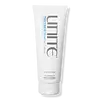 Key Ingredients
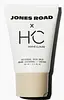
No key ingredients
Benefits
Concerns
Ingredients Side-by-side
Water
Skin ConditioningCetyl Alcohol
Emollient



Cetearyl Alcohol
Emollient


Glycerin
Humectant


Di-PPG-2 Myreth-10 Adipate
Emollient
Hydrogenated Castor Oil/Sebacic Acid Copolymer
Emollient
Isododecane
EmollientHydroxyethylcellulose
Emulsion StabilisingDisodium EDTA
ChelatingPropylene Glycol
Humectant
Behentrimonium Methosulfate
SurfactantTocopheryl Acetate
Antioxidant


Polyquaternium-59
UV AbsorberButylene Glycol
Humectant
Sodium Benzoate
Masking
Phenoxyethanol
Preservative
Caprylyl Glycol
Emollient
Ethylhexylglycerin
Skin ConditioningHexylene Glycol
EmulsifyingParfum
Masking


Limonene
Perfuming
Geraniol
Perfuming
Hexyl Cinnamal
Perfuming
Hydroxycitronellal
Perfuming
Linalool
Perfuming
Water, Cetyl Alcohol, Cetearyl Alcohol, Glycerin, Di-PPG-2 Myreth-10 Adipate, Hydrogenated Castor Oil/Sebacic Acid Copolymer, Isododecane, Hydroxyethylcellulose, Disodium EDTA, Propylene Glycol, Behentrimonium Methosulfate, Tocopheryl Acetate, Polyquaternium-59, Butylene Glycol, Sodium Benzoate, Phenoxyethanol, Caprylyl Glycol, Ethylhexylglycerin, Hexylene Glycol, Parfum, Limonene, Geraniol, Hexyl Cinnamal, Hydroxycitronellal, Linalool
Water
Skin ConditioningCetearyl Alcohol
Emollient
Isoamyl Laurate
Emollient
Propanediol
Solvent
Bis-(Isostearoyl/Oleoyl Isopropyl) Dimonium Methosulfate
Skin ConditioningBehentrimonium Methosulfate
SurfactantC12-15 Alkyl Benzoate
Antimicrobial1,2-Hexanediol
Skin Conditioning
Caprylyl Glycol
Emollient
Quaternium-80
Quaternium-91
Cetyl Alcohol
Emollient
Palmitamidopropyltrimonium Chloride
Myristyl Myristate
Emollient
Hydrogenated Castor Oil/Sebacic Acid Copolymer
Emollient
Propylene Glycol
Humectant
Behentrimonium Chloride
Preservative
Canarium Luzonicum Gum Nonvolatiles
MaskingCarum Carvi Fruit Oil
Masking
Citrus Aurantium Dulcis Peel Oil
Masking
Dipterocarpus Turbinatus Balsam Extract
Perfuming
Juniperus Virginiana Oil
Masking
Myristica Fragrans Kernel Oil
Masking
Pogostemon Cablin Leaf Oil
Masking
Zingiber Cassumunar Root Oil
Skin Conditioning
Hydrolyzed Pea Protein
EmollientHydrolyzed Vegetable Protein
Skin ConditioningPotassium Sorbate
Preservative
Sodium Benzoate
Masking
Parfum
Masking
Water, Cetearyl Alcohol, Isoamyl Laurate, Propanediol, Bis-(Isostearoyl/Oleoyl Isopropyl) Dimonium Methosulfate, Behentrimonium Methosulfate, C12-15 Alkyl Benzoate, 1,2-Hexanediol, Caprylyl Glycol, Quaternium-80, Quaternium-91, Cetyl Alcohol, Palmitamidopropyltrimonium Chloride, Myristyl Myristate, Hydrogenated Castor Oil/Sebacic Acid Copolymer, Propylene Glycol, Behentrimonium Chloride, Canarium Luzonicum Gum Nonvolatiles, Carum Carvi Fruit Oil, Citrus Aurantium Dulcis Peel Oil, Dipterocarpus Turbinatus Balsam Extract, Juniperus Virginiana Oil, Myristica Fragrans Kernel Oil, Pogostemon Cablin Leaf Oil, Zingiber Cassumunar Root Oil, Hydrolyzed Pea Protein, Hydrolyzed Vegetable Protein, Potassium Sorbate, Sodium Benzoate, Parfum
Ingredients Explained
These ingredients are found in both products.
Ingredients higher up in an ingredient list are typically present in a larger amount.
Behentrimonium Methosulfate is a gentle, positively-charged conditioning agent made from rapeseed oil.
It's the opposite of a harsh cleansing sulfate despite having "sulfate" in its name; its a detangler/softener in haircare and helps keep oil/water blended into a creamy texture as an emulsifier.
Concentration-wise, safety review reports the wider trimonium family shows up between 0.0005% to 10% in rinse-off products and 0.001% to 4% in leave-on products.
This ingredient is commonly used at ~1–5% when acting as the emulsifier.
Allergies to this ingredient are rare; the CIR panel noted the literature lacks clinical reports of irritation or sensitization and patch tests on finished products containing it came back clean.
Learn more about Behentrimonium MethosulfateCaprylyl Glycol is a humectant, skin conditioner, emollient, and preservative booster derived from either caprylic acid or synthetically created.
Typical use levels vary from 0.3-1% as a preservative booster and go up to 2% to condition skin.
Because it is not a free-fatty acid, this ingredient is fungal acne safe (there's nothing for Malassezia to feed on).
Learn more about Caprylyl GlycolCetearyl alcohol is a waxy mixture of two fatty alcohols: cetyl alcohol and stearyl alcohol. It is an emollient and emulsifier.
Despite having "alcohol" in its name, it has nothing to do with drying solvent alcohols; the FDA also allows "alcohol-free" products to contain fatty alcohols like this ingredient.
It plays several roles in a formula:
Typical use levels for this ingredient sit around 1-10% and the Cosmetic Ingredient Review Expert Panel has affirmed safety at concentrations up to 25% in leave-on products.
Multiple assessments have found it to be non-irritating and non-sensitizing to most people.
However, there have been some cases of allergic contact dermatitis in patients with chronically compromised skin barriers.
Cetearyl alcohol has a comedogenic rating of 2 and irritancy rating of 1. Both of these numbers come from the 1989 study that used rabbit ears; a "2" means mildly comedogenic and a "1" means low irritancy.
Here's the catch: rabbit skin is more sensitive than human skin and throws a lot of false positives. A 1996 reappraisal found that ingredients rated 1-2 in the rabbit ear tests are generally safe for humans.
Remember comedogenic ratings are unable to assess the entire formula of a product or how it will react on your skin. Just be sure to patch test if you are unsure about certain ingredients.
This ingredient is not fungal acne safe. Cetearyl alcohol is a fatty alcohol with chain lengths that fall within the range that Malassezia can metabolize.
A 2019 study has also observed Malassezia growth in the presence of this ingredient, confirming it to be not-fungal acne safe.
Learn more about Cetearyl AlcoholCetyl Alcohol is a fatty alcohol. Fatty Alcohols are most often used as an emollient or to thicken a product.
Its main roles are:
Though it has "alcohol" in the name, it is not related to denatured alcohol or ethyl alcohol.
The FDA allows products labeled "alcohol-free" to have fatty alcohols.
This ingredient may not be fungal acne safe. It is a primary fatty alcohol with a chain length above 12 carbons. A study from 2019 show Malassezia can feed on fatty alcohols in this range, so it may trigger fungal acne in those prone to it.
Learn more about Cetyl AlcoholHydrogenated Castor Oil/Sebacic Acid Copolymer is an oil and isn't fungal acne safe.
Parfum is a catch-all term for an ingredient or more that is used to give a scent to products.
Also called "fragrance", this ingredient can be a blend of hundreds of chemicals or plant oils. This means every product with "fragrance" or "parfum" in the ingredients list is a different mixture.
For instance, Habanolide is a proprietary trade name for a specific aroma chemical. When used as a fragrance ingredient in cosmetics, most aroma chemicals fall under the broad labeling category of “FRAGRANCE” or “PARFUM” according to EU and US regulations.
The term 'parfum' or 'fragrance' is not regulated in many countries. In many cases, it is up to the brand to define this term.
For instance, many brands choose to label themselves as "fragrance-free" because they are not using synthetic fragrances. However, their products may still contain ingredients such as essential oils that are considered a fragrance by INCI standards.
One example is Calendula flower extract. Calendula is an essential oil that still imparts a scent or 'fragrance'.
Depending on the blend, the ingredients in the mixture can cause allergies and sensitivities on the skin. Some ingredients that are known EU allergens include linalool and citronellol.
Parfum can also be used to mask or cover an unpleasant scent.
The bottom line is: not all fragrances/parfum/ingredients are created equally. If you are worried about fragrances, we recommend taking a closer look at an ingredient. And of course, we always recommend speaking with a professional.
Learn more about ParfumPropylene Glycol is a synthetic, colorless, odorless liquid that has been a staple in cosmetics for decades. It is a skin conditioning agent, humectant, and solvent.
As a humectant, it draw water to the skin to reduce flaking and restore suppleness. It's also a solvent that helps dissolve other actives and keeps formulas stable across temperature changes.
The CIR Expert Panel has confirmed this ingredient to be nontoxic and clinical studies show no sensitization at cosmetic use concentrations.
True allergic reactions are quite rare: a 15-year retrospective study of 6,751 patients found only 0.31% had a positive reaction (and less than half were considered clinically relevant).
It seemed that when sensitization does occur, it's most commonly linked to topical medication (like corticosteroids) and not cosmetics. Allergic contact dermatitis also appears largely limited to individuals with underlying skin conditions.
Overall, propylene glycol is a well-studied ingredient that most people can tolerate without issue.
Learn more about Propylene GlycolSodium Benzoate is a preservative. It's used in both cosmetic and food products to inhibit the growth of mold and bacteria. It is typically produced synthetically.
Both the US FDA and EU Health Committee have approved the use of sodium benzoate. In the US, levels of 0.1% (of the total product) are allowed.
Sodium benzoate works as a preservative by inhibiting the growth of bacteria inside of cells. It prevents the cell from fermenting a type of sugar using an enzyme called phosphofructokinase.
It is the salt of benzoic acid. Foods containing sodium benzoate include soda, salad dressings, condiments, fruit juices, wines, and snack foods.
Studies for using ascorbic acid and sodium benzoate in cosmetics are lacking, especially in skincare routines with multiple steps.
We always recommend speaking with a professional, such as a dermatologist, if you have any concerns.
Learn more about Sodium BenzoateWater. It's the most common cosmetic ingredient of all. You'll usually see it at the top of ingredient lists, meaning that it makes up the largest part of the product.
So why is it so popular? Water most often acts as a solvent - this means that it helps dissolve other ingredients into the formulation.
You'll also recognize water as that liquid we all need to stay alive. If you see this, drink a glass of water. Remember to stay hydrated!
Learn more about Water

