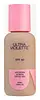
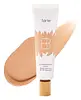
Ultra Violette Daydream Screen SPF 50 Tinted Veil Versus Tarte BB Tinted Treatment 12-Hour Primer Broad Spectrum SPF 30 Sunscreen
This chemical sunscreen covers the full UV range and blocks ~98% of UVB at SPF 50.
This mineral sunscreen covers the full UV range and blocks ~97% of UVB at SPF 30.


What's inside
What's inside
 Key Ingredients
Benefits
Concerns
Ingredients Side-by-side
Water
Skin ConditioningHomosalate
Skin Conditioning

Octyldodecanol
Emollient
Dicaprylyl Ether
Emollient
Methylene Bis-Benzotriazolyl Tetramethylbutylphenol
UV Filter
Bis-Ethylhexyloxyphenol Methoxyphenyl Triazine
UV Absorber
Propanediol
Solvent
Dicaprylyl Carbonate
EmollientCetyl Alcohol
Emollient


Ethylhexyl Triazone
UV Absorber
Glycerin
Humectant
Polyglyceryl-2 Dipolyhydroxystearate
Skin Conditioning
Lauryl Glucoside
CleansingOryza Sativa Bran Wax
Skin Conditioning
Microcrystalline Cellulose
AbsorbentPoly C10-30 Alkyl Acrylate
Emulsion StabilisingHydroxyacetophenone
Antioxidant
Decyl Glucoside
Cleansing
Saccharide Isomerate
Humectant
Cellulose Gum
Emulsion StabilisingPolyhydroxystearic Acid
Emulsifying
Ethylhexylglycerin
Skin ConditioningSodium Lauroyl Sarcosinate
CleansingPropylene Glycol
Humectant
Disodium EDTA
Xanthan Gum
EmulsifyingPhenoxyethanol
Preservative
Sodium Citrate
BufferingCitric Acid
Buffering

CI 77891
Cosmetic ColorantIron Oxides
Water, Homosalate, Octyldodecanol, Dicaprylyl Ether, Methylene Bis-Benzotriazolyl Tetramethylbutylphenol, Bis-Ethylhexyloxyphenol Methoxyphenyl Triazine, Propanediol, Dicaprylyl Carbonate, Cetyl Alcohol, Ethylhexyl Triazone, Glycerin, Polyglyceryl-2 Dipolyhydroxystearate, Lauryl Glucoside, Oryza Sativa Bran Wax, Microcrystalline Cellulose, Poly C10-30 Alkyl Acrylate, Hydroxyacetophenone, Decyl Glucoside, Saccharide Isomerate, Cellulose Gum, Polyhydroxystearic Acid, Ethylhexylglycerin, Sodium Lauroyl Sarcosinate, Propylene Glycol, Disodium EDTA, Xanthan Gum, Phenoxyethanol, Sodium Citrate, Citric Acid, CI 77891, Iron Oxides
Titanium Dioxide
Cosmetic Colorant
Zinc Oxide
Cosmetic Colorant
Cyclopentasiloxane
Emollient
Isododecane
EmollientMica
Cosmetic ColorantPolysilicone-11
Polymethylsilsesquioxane
Hexyl Laurate
Emollient
PEG-10 Dimethicone
Skin Conditioning
Polyglyceryl-4 Isostearate
Emulsifying
Stearic Acid
Cleansing
Cetyl PEG/PPG-10/1 Dimethicone
Emulsifying
Alumina
Abrasive
Triethoxycaprylylsilane
Dipalmitoyl Hydroxyproline
Skin Conditioning
Diamond Powder
Abrasive
Iron Oxides
Titanium Dioxide, Zinc Oxide, Cyclopentasiloxane, Isododecane, Mica, Polysilicone-11, Polymethylsilsesquioxane, Hexyl Laurate, PEG-10 Dimethicone, Polyglyceryl-4 Isostearate, Stearic Acid, Cetyl PEG/PPG-10/1 Dimethicone, Alumina, Triethoxycaprylylsilane, Dipalmitoyl Hydroxyproline, Diamond Powder, Iron Oxides
Ingredients Explained
These ingredients are found in both products.
Ingredients higher up in an ingredient list are typically present in a larger amount.
This ingredient is a combination of red, black, and yellow iron oxide pigments. This combination of colors is usually found in foundation, because it results in a "skin" color.
The EU typically uses CI numbers for colorants when applicable, such as CI 77489. In the US, iron oxides are regulated as color additives and "iron oxides" is the most commonly used name in US cosmetic practice.
A 2021 paper looked at skincare formulations containing iron oxides and found that they reduced transmission of blue light when measured optically. In simple terms, the pigment particles helped block or scatter part of the visible light spectrum in lab testing and the authors suggest this could translate into better protection against blue-light-related skin effects.
There is also clinical and experimental research showing that tinted products containing iron oxides can reduce visible light-induced pigmentation:
Please note, whether a product reduces visible or blue light depends on things like:
In the EU's CosIng database, iron oxides are only listed as a colorant. CosIng groups ingredients by their main cosmetic role, such as colorant, preservative, or UV filter.
Though studies say iron oxides can "attenuate blue light", they're describing an optical property and not an officially recognized cosmetic function.
So CosIng isn’t contradicting the research. It’s just classifying iron oxides by what they officially are: pigments that add color.
Learn more about Iron Oxides

