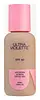
This chemical sunscreen covers the full UV range and blocks ~98% of UVB at SPF 50.

What's inside
What's inside
 Key Ingredients
Benefits
Concerns
Ingredients Side-by-side
Water
Skin ConditioningHomosalate
Skin Conditioning

Octyldodecanol
Emollient
Dicaprylyl Ether
Emollient
Methylene Bis-Benzotriazolyl Tetramethylbutylphenol
UV Filter
Bis-Ethylhexyloxyphenol Methoxyphenyl Triazine
UV Absorber
Propanediol
Solvent
Dicaprylyl Carbonate
EmollientCetyl Alcohol
Emollient


Ethylhexyl Triazone
UV Absorber
Glycerin
Humectant
Polyglyceryl-2 Dipolyhydroxystearate
Skin Conditioning
Lauryl Glucoside
CleansingOryza Sativa Bran Wax
Skin Conditioning
Microcrystalline Cellulose
AbsorbentPoly C10-30 Alkyl Acrylate
Emulsion StabilisingHydroxyacetophenone
Antioxidant
Decyl Glucoside
Cleansing
Saccharide Isomerate
Humectant
Cellulose Gum
Emulsion StabilisingPolyhydroxystearic Acid
Emulsifying
Ethylhexylglycerin
Skin ConditioningSodium Lauroyl Sarcosinate
CleansingPropylene Glycol
Humectant
Disodium EDTA
ChelatingXanthan Gum
EmulsifyingPhenoxyethanol
Preservative
Sodium Citrate
BufferingCitric Acid
Buffering

CI 77891
Cosmetic ColorantIron Oxides
Water, Homosalate, Octyldodecanol, Dicaprylyl Ether, Methylene Bis-Benzotriazolyl Tetramethylbutylphenol, Bis-Ethylhexyloxyphenol Methoxyphenyl Triazine, Propanediol, Dicaprylyl Carbonate, Cetyl Alcohol, Ethylhexyl Triazone, Glycerin, Polyglyceryl-2 Dipolyhydroxystearate, Lauryl Glucoside, Oryza Sativa Bran Wax, Microcrystalline Cellulose, Poly C10-30 Alkyl Acrylate, Hydroxyacetophenone, Decyl Glucoside, Saccharide Isomerate, Cellulose Gum, Polyhydroxystearic Acid, Ethylhexylglycerin, Sodium Lauroyl Sarcosinate, Propylene Glycol, Disodium EDTA, Xanthan Gum, Phenoxyethanol, Sodium Citrate, Citric Acid, CI 77891, Iron Oxides
Polybutene
Isopropyl Myristate
Emollient


Octocrylene
UV Absorber
Homosalate
Skin Conditioning
Octyldodecanol
Emollient
Ethylhexyl Salicylate
UV Absorber
Butyl Methoxydibenzoylmethane
UV Absorber
Aroma


Silica Silylate
Emollient
Poly C10-30 Alkyl Acrylate
Emulsion StabilisingCocos Nucifera Oil
Masking
Solanum Lycopersicum Fruit Extract
Antioxidant
Squalane
Emollient
Simmondsia Chinensis Seed Oil
Emollient
Sucralose
Skin Conditioning
Reviews
Ingredients Explained
These ingredients are found in both products.
Ingredients higher up in an ingredient list are typically present in a larger amount.
Homosalate is an oil-soluble organic UVB filter that has been a sunscreen staple for decades. Its job is to absorb UVB rays (~295-315 nm) and protect your skin against sunburn,
This is one of the more photostable organic UV filters; it holds up pretty well under UV and a 2022 quantum-chemistry study found it stays stable in sunlight.
It's actually so reliable that formulators often pair it with shakier ingredients like oxybenzone and avobenzone. Formulators also use it to help dissolve the other UV filters into the oil phase.
One thing to keep in mind: "stable" isn't the same as "strong". On its own, homosalate is actually a pretty weak UV filter so it's better off as a helpful team player that helps boost overall SPF protection.
The safety picture is a bit nuanced but not scary.
This ingredient has a long track record of being gentle and regulators agree it isn't an irritant; EU's Scientific Committee on Consumer Safety found that homosalate is not considered a skin irritant and doesn't raise eye-irritation flags either.
There's talk about homosalate because your skin absorbs a little bit of it into your bloodstream. A 2020 FDA-backed study found homosalate showed up in people's blood levels at the level where the FDA decides to double check.
The EU's Scientific Committee on Consumer Safety (SCCS) also found small amounts in blood and breast milk. They estimated that about 5% of what you apply gets absorbed through the skin.
Due to the debate about whether it might mess with hormones, the SCCS recommended a maximum limit of 0.5% in most products of 7.3% in face creams/pump sprays.
One important thing to keep in mind: in the US, Homosalate is currently labeled "non-GRASE" by the FDA. This sounds alarming but really just means the FDA wants more data to confirm it's safe. It's not confidently saying this ingredient is harmful.
As of now, homosalate is still completely legal and widely used while that research gets done.
The current maximum limits are:
Learn more about HomosalateOctyldodecanol is a fatty alcohol sourced from plant oils like coconut or palm (or made synthetically).
It is:
You'll likely see this in many BHA products because this is the go-to solvent for salicylic acid.
This ingredient is typically used at levels between 2-20%.
Regarding fungal acne:
In 2019, this ingredient was tested against multiple Malassezia species (the yeast that causes fungal acne) and showed no growth.
Poly C10-30 Alkyl Acrylate is a synthetic polymer. It's a long chain built from acrylic acid units and each unit carries a fatty "tail" derived form a C10-30 alcohol.
Those oil-loving tails allow this ingredient to thicken oil phases, hold emulsions together, and cuts the tacky/greasy feel of heavy formulas.
Typical use levels sit around 0.1-3%, with 0.3-3% more common in leave-on emulsions.
This ingredient was reviewed as part of a group of 126 acrylates and concluded to be safe by the Cosmetic Ingredient Review Expert Panel.
Though acrylate contact allergy is real and well-documented, allergy risk is quite low. The cases of documented contact allergy are caused by unreacted monomers (more commonly found in gel nails, dental resins, and adhesives).
Learn more about Poly C10-30 Alkyl Acrylate

