

What's inside
What's inside
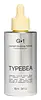 Key Ingredients
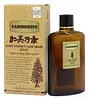
Benefits
Concerns
Ingredients Side-by-side
Water
Skin ConditioningPropanediol
Solvent

Alcohol
Antimicrobial




Polysorbate 20
Emulsifying
Sodium Hydroxide
BufferingArginine
Masking
Lactic Acid
Buffering






Carbomer
Emulsion StabilisingDisodium EDTA
Parfum
Masking

Butylene Glycol
Humectant
Polyquaternium-7
Glycine Soja Germ Extract
EmollientTriticum Vulgare Germ Extract
Skin ConditioningGluconolactone
Skin Conditioning

Scutellaria Baicalensis Root Extract
Astringent
Citrus Aurantium Bergamia Fruit Oil
Masking

PPG-26-Buteth-26
Skin ConditioningPEG-40 Hydrogenated Castor Oil
Emulsifying
Citrus Limon Peel Oil
Masking
Citrus Aurantium Dulcis Peel Oil
Masking
Juniperus Virginiana Oil
Masking
Calcium Gluconate
HumectantPinus Palustris Oil
Masking
Apigenin
Antioxidant
Oleanolic Acid
Skin ConditioningBiotinoyl Tripeptide-1

Sodium Benzoate
Masking
Phenoxyethanol
Preservative
Limonene
Perfuming
Benzyl Salicylate
Perfuming
Linalool
Perfuming
Hydroxycitronellal
Perfuming
Water, Propanediol, Alcohol, Polysorbate 20, Sodium Hydroxide, Arginine, Lactic Acid, Carbomer, Disodium EDTA, Parfum, Butylene Glycol, Polyquaternium-7, Glycine Soja Germ Extract, Triticum Vulgare Germ Extract, Gluconolactone, Scutellaria Baicalensis Root Extract, Citrus Aurantium Bergamia Fruit Oil, PPG-26-Buteth-26, PEG-40 Hydrogenated Castor Oil, Citrus Limon Peel Oil, Citrus Aurantium Dulcis Peel Oil, Juniperus Virginiana Oil, Calcium Gluconate, Pinus Palustris Oil, Apigenin, Oleanolic Acid, Biotinoyl Tripeptide-1, Sodium Benzoate, Phenoxyethanol, Limonene, Benzyl Salicylate, Linalool, Hydroxycitronellal
O-Cymen-5-Ol
Antimicrobial
Panthenol
Skin Conditioning
Tocopheryl Acetate
Antioxidant
Allantoin
Skin Conditioning
Glycyrrhetinic Acid
Skin Conditioning
Isodon Trichocarpus Extract
MaskingSophora Angustifolia Root Extract
Skin ConditioningGum Base
Glycerin
Humectant
Menthol
Masking
Hinokitiol
Rosmarinus Officinalis Leaf Extract
AntimicrobialPEG-40 Hydrogenated Castor Oil
Emulsifying
Parfum
Masking
Alcohol
Antimicrobial
Water
Skin ConditioningIngredients Explained
These ingredients are found in both products.
Ingredients higher up in an ingredient list are typically present in a larger amount.
This ingredient is also called ethanol or ethyl alcohol. It is denatured, meaning made undrinkable for cosmetic use.
In formulas, it:
Is it bad for your skin?
The answer comes down to concentration. Patch and wash studies have found highly concentrated alcohol-based hand rubs (60-100%) cause less barrier disruption than washing with a basic detergent like SLS. The only measurable effect in these studies was a temporary dip in skin hydration.
Concentrations below 12-15% in leave-on cosmetics is generally well-tolerated. Concentrations above start to see increased transepidermal water loss (TEWL) and reduced hydration.
In concentrations about 58%, it creates temporary channels in your skin's lipid layers to become more permeable and allow other ingredients to slip through easily.
This ingredient can be up to 80% of the formula in alcohol-based perfumes.
Overall, this ingredient is probably harmless if found lower down an ingredients list but worth side-eyeing if it's high up (especially if your barrier is already struggling).
Alcohol can worsen dry skin, eczema, and oily skin, especially at higher concentrations. This is because it can increase transepidermal water loss and decrease hydration to disrupt the skin barrier.
According to the National Rosacea Society based in the US, you should be mindful of products with these alcohols in the top half of ingredients.
True allergic contact dermatitis to ethanol is uncommon, but be sure to patch test if you have dry or sensitive skin.
Learn more about AlcoholParfum is a catch-all term for an ingredient or more that is used to give a scent to products.
Also called "fragrance", this ingredient can be a blend of hundreds of chemicals or plant oils. This means every product with "fragrance" or "parfum" in the ingredients list is a different mixture.
For instance, Habanolide is a proprietary trade name for a specific aroma chemical. When used as a fragrance ingredient in cosmetics, most aroma chemicals fall under the broad labeling category of “FRAGRANCE” or “PARFUM” according to EU and US regulations.
The term 'parfum' or 'fragrance' is not regulated in many countries. In many cases, it is up to the brand to define this term.
For instance, many brands choose to label themselves as "fragrance-free" because they are not using synthetic fragrances. However, their products may still contain ingredients such as essential oils that are considered a fragrance by INCI standards.
One example is Calendula flower extract. Calendula is an essential oil that still imparts a scent or 'fragrance'.
Depending on the blend, the ingredients in the mixture can cause allergies and sensitivities on the skin. Some ingredients that are known EU allergens include linalool and citronellol.
Parfum can also be used to mask or cover an unpleasant scent.
The bottom line is: not all fragrances/parfum/ingredients are created equally. If you are worried about fragrances, we recommend taking a closer look at an ingredient. And of course, we always recommend speaking with a professional.
Learn more about ParfumPEG-40 Hydrogenated Castor Oil is an emulsifier derived from castor oil.
As an emulsifying agent, it helps other ingredients like fragrances and fat-soluble vitamins dissolve cohesively.
Due to its large molecule size, it doesn't penetrate beyond the skin's surface.
This ingredient has a solid regulatory track record; the CIR Expert Panel first concluded it was safe for use in cosmetics at concentrations up to 100% in 1997. A 2012 reassessment reaffirmed that finding. Safety studies have also found no irritation or evidence of toxicity.
A 2019 study did find this ingredient to grow Malassezia, so this ingredient may not be fungal acne safe.
Learn more about PEG-40 Hydrogenated Castor OilWater. It's the most common cosmetic ingredient of all. You'll usually see it at the top of ingredient lists, meaning that it makes up the largest part of the product.
So why is it so popular? Water most often acts as a solvent - this means that it helps dissolve other ingredients into the formulation.
You'll also recognize water as that liquid we all need to stay alive. If you see this, drink a glass of water. Remember to stay hydrated!
Learn more about Water

