
What's inside
What's inside
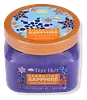 Key Ingredients
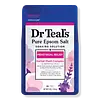
No key ingredients
Benefits
Concerns
Ingredients Side-by-side
Sucrose
Humectant
Glycerin
Humectant

Polysorbate 20
Emulsifying

Silica
Abrasive


Persea Gratissima Oil
Skin Conditioning


Macadamia Ternifolia Seed Oil
Emollient
Butyrospermum Parkii Butter
Skin Conditioning
Prunus Amygdalus Dulcis Oil
Skin Conditioning
Oenothera Biennis Oil
Emollient

Carthamus Tinctorius Seed Oil
Masking
Withania Somnifera Root Extract
Skin Conditioning
Silybum Marianum Seed Extract
Skin ConditioningCitrus Aurantium Dulcis Peel Oil
Masking
Tocopherol
Antioxidant




Retinyl Palmitate
Skin Conditioning
Phenoxyethanol
Preservative
Caprylyl Glycol
Emollient
Water
Skin ConditioningSorbic Acid
Preservative
Ascorbic Acid
Antioxidant

Parfum
Masking


Benzyl Benzoate
Antimicrobial
Benzyl Salicylate
Perfuming
Hexyl Cinnamal
Perfuming
Limonene
Perfuming
Mica
Cosmetic ColorantCI 77891
Cosmetic ColorantCI 42090
Cosmetic ColorantCI 61570
Cosmetic ColorantCI 14700
Cosmetic ColorantCI 60730
Cosmetic ColorantSucrose, Glycerin, Polysorbate 20, Silica, Persea Gratissima Oil, Macadamia Ternifolia Seed Oil, Butyrospermum Parkii Butter, Prunus Amygdalus Dulcis Oil, Oenothera Biennis Oil, Carthamus Tinctorius Seed Oil, Withania Somnifera Root Extract, Silybum Marianum Seed Extract, Citrus Aurantium Dulcis Peel Oil, Tocopherol, Retinyl Palmitate, Phenoxyethanol, Caprylyl Glycol, Water, Sorbic Acid, Ascorbic Acid, Parfum, Benzyl Benzoate, Benzyl Salicylate, Hexyl Cinnamal, Limonene, Mica, CI 77891, CI 42090, CI 61570, CI 14700, CI 60730


Reviews
Ingredients Explained
These ingredients are found in both products.
Ingredients higher up in an ingredient list are typically present in a larger amount.
Citrus Aurantium Dulcis Peel Oil is oil from the peel of an orange fruit.
Limonene and linalool make up the majority of oils from citrus peels. Limonene has a "citrus" fragrance. Citrus peels also contain flavonoids, which have anti-inflammatory properties.
Citrus peel is also a rich source of flavonoids. Flavonoids are natural antioxidants and help protect your skin against damage. Flavonoids are a group of compounds naturally found in vegetables and fruits.
The term 'fragrance' is not regulated in many countries. In many cases, it is up to the brand to define this term. For instance, many brands choose to label themselves as "fragrance-free" because they are not using synthetic fragrances. However, their products may still contain ingredients such as essential oils that are considered a fragrance.
Learn more about Citrus Aurantium Dulcis Peel OilOenothera Biennis Oil (aka Evening Primrose Oil) is a non-fragrant oil from the evening primrose. Like other botanical oils, it is an emollient that helps hydrate and nourish skin.
It has an interesting fatty acid profile: linoleic (70-74%) and γ-linolenic (8-10%), with some amounts ofoleic palmitic, and stearic acids.
The gamma-linoleic acid (GLA) is the headliner here; it's relatively rare in plant oils and acts as a precursor for anti-inflammatory signaling molecules in the skin.
There's a mixed body of clinical research with this ingredient as well, mostly on eczema/atopic dermatitis skin.
Some controlled trials showed improvement in inflammation, dryness, scaling, and overall severity. Other studies and large meta-analysis failed to show a significant effect; the honest takeaway here is "promising but inconsistent" rather than "miracle oil".
On the safety front, this ingredient is found to be safe as used in cosmetics and even has a history of safe food use.
This ingredient does have a comedogenic rating of 3, but this doesn't mean a formula with this ingredient will clog pores. Human testing has proved that any finished product with this ingredient won't automatically make you break out; it really comes down to concentration, formula, and your skin.
Since this oil is contains oleic acid and palmitic acid, it may not be fungal acne safe. The Malassezia yeast feeds on fatty acids with carbon chain lengths between C11-C24. Oleic Acid sits at C18 and Palmitic acid sits at C16.
In vitro studies have shown that oleic acid and palmitic acid are some of the fatty acids that induce rapid Malassezia growth in lab settings.
Learn more about Oenothera Biennis OilParfum is a catch-all term for an ingredient or more that is used to give a scent to products.
Also called "fragrance", this ingredient can be a blend of hundreds of chemicals or plant oils. This means every product with "fragrance" or "parfum" in the ingredients list is a different mixture.
For instance, Habanolide is a proprietary trade name for a specific aroma chemical. When used as a fragrance ingredient in cosmetics, most aroma chemicals fall under the broad labeling category of “FRAGRANCE” or “PARFUM” according to EU and US regulations.
The term 'parfum' or 'fragrance' is not regulated in many countries. In many cases, it is up to the brand to define this term.
For instance, many brands choose to label themselves as "fragrance-free" because they are not using synthetic fragrances. However, their products may still contain ingredients such as essential oils that are considered a fragrance by INCI standards.
One example is Calendula flower extract. Calendula is an essential oil that still imparts a scent or 'fragrance'.
Depending on the blend, the ingredients in the mixture can cause allergies and sensitivities on the skin. Some ingredients that are known EU allergens include linalool and citronellol.
Parfum can also be used to mask or cover an unpleasant scent.
The bottom line is: not all fragrances/parfum/ingredients are created equally. If you are worried about fragrances, we recommend taking a closer look at an ingredient. And of course, we always recommend speaking with a professional.
Learn more about Parfum

