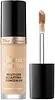
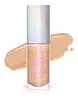
Too Faced Born This Way Super Coverage Multi-Use Concealer Versus Beauty Bakerie Instabake 3-In-1 Concealer

What's inside
What's inside
 Key Ingredients
Benefits
Concerns
No concerns
Ingredients Side-by-side
Water
Skin ConditioningCyclopentasiloxane
Emollient
Butylene Glycol Dicaprylate/Dicaprate
EmollientTriethylhexanoin
MaskingIsoamyl Laurate
Emollient

Methyl Trimethicone
Skin Conditioning
Pentylene Glycol
Skin Conditioning
Polyglyceryl-4 Diisostearate/Polyhydroxystearate/Sebacate
Emulsifying
Hydrogenated Starch Hydrolysate
HumectantCetyl PEG/PPG-10/1 Dimethicone
Emulsifying
Trimethylsiloxysilicate
Emollient
Silica
Abrasive


Perfluorooctyl Triethoxysilane
Aluminum Hydroxide
EmollientHydroxyacetophenone
Antioxidant
Sodium Chloride
MaskingDisteardimonium Hectorite
StabilisingDimethicone
Emollient
Acrylates/Polytrimethylsiloxymethacrylate Copolymer
Skin Conditioning1,2-Hexanediol
Skin Conditioning
Caprylyl Glycol
Emollient
Dimethicone/Vinyl Dimethicone Crosspolymer
Skin Conditioning
Trisodium Ethylenediamine Disuccinate
ChelatingGlycerin
Humectant
Cocos Nucifera Water
Masking

Sodium Hyaluronate
Humectant


Cocos Nucifera Fruit Juice
Emollient
Rhododendron Ferrugineum Extract
MaskingPotassium Sorbate
Preservative
Sodium Benzoate
Masking
CI 77891
Cosmetic ColorantIron Oxides
Water, Cyclopentasiloxane, Butylene Glycol Dicaprylate/Dicaprate, Triethylhexanoin, Isoamyl Laurate, Methyl Trimethicone, Pentylene Glycol, Polyglyceryl-4 Diisostearate/Polyhydroxystearate/Sebacate, Hydrogenated Starch Hydrolysate, Cetyl PEG/PPG-10/1 Dimethicone, Trimethylsiloxysilicate, Silica, Perfluorooctyl Triethoxysilane, Aluminum Hydroxide, Hydroxyacetophenone, Sodium Chloride, Disteardimonium Hectorite, Dimethicone, Acrylates/Polytrimethylsiloxymethacrylate Copolymer, 1,2-Hexanediol, Caprylyl Glycol, Dimethicone/Vinyl Dimethicone Crosspolymer, Trisodium Ethylenediamine Disuccinate, Glycerin, Cocos Nucifera Water, Sodium Hyaluronate, Cocos Nucifera Fruit Juice, Rhododendron Ferrugineum Extract, Potassium Sorbate, Sodium Benzoate, CI 77891, Iron Oxides
Water
Skin ConditioningDimethicone
Emollient
Talc
Abrasive
Ethyl Trisiloxane
Skin Conditioning
Hdi/Trimethylol Hexyllactone Crosspolymer
PEG-10 Dimethicone
Skin Conditioning
Propanediol
Solvent
Trimethylsiloxysilicate
Emollient
Caprylyl Methicone
Skin Conditioning
Sodium Chloride
MaskingHydrogen Dimethicone
Ethylhexylglycerin
Skin ConditioningAluminum Hydroxide
EmollientGlyceryl Caprylate
EmollientSodium Dehydroacetate
Preservative
Manihot Utilissima Leaf Extract
Skin ProtectingC30-45 Alkyl Cetearyl Dimethicone Crosspolymer
Emollient
Sodium Gluconate
ChelatingTocopheryl Acetate
Antioxidant

Silica
Abrasive
Phenoxyethanol
Preservative
Tocopherol
Antioxidant
Water, Dimethicone, Talc, Ethyl Trisiloxane, Hdi/Trimethylol Hexyllactone Crosspolymer, PEG-10 Dimethicone, Propanediol, Trimethylsiloxysilicate, Caprylyl Methicone, Sodium Chloride, Hydrogen Dimethicone, Ethylhexylglycerin, Aluminum Hydroxide, Glyceryl Caprylate, Sodium Dehydroacetate, Manihot Utilissima Leaf Extract, C30-45 Alkyl Cetearyl Dimethicone Crosspolymer, Sodium Gluconate, Tocopheryl Acetate, Silica, Phenoxyethanol, Tocopherol
Reviews
Ingredients Explained
These ingredients are found in both products.
Ingredients higher up in an ingredient list are typically present in a larger amount.
Aluminum Hydroxide is a form of aluminum. It can be naturally found in nature as the mineral gibbsite. In cosmetics, Aluminum Hydroxide is used as a colorant, pH adjuster, and absorbent.
As a colorant, Aluminum Hydroxide may add opacity, or reduce the transparency. Aluminum hydroxide is contains both basic and acidic properties.
According to manufacturers, this ingredient is an emollient and humectant. This means it helps hydrate the skin.
In medicine, this ingredient is used to help relieve heartburn and help heal ulcers.
There is currently no credible scientific evidence linking aluminum hydroxide in cosmetics to increased cancer risk.
Major health organizations allow the use of aluminum hydroxide in personal care products and have not flagged it as a carcinogenic risk at typical usage levels.
Learn more about Aluminum HydroxideDimethicone is a type of synthetic silicone created from natural materials such as quartz. It is also known as polydimethylsiloxane.
What it does:
Dimethicone comes in different viscosities:
Depending on the viscosity, dimethicone has different properties.
Ingredients lists don't always show which type is used, so we recommend reaching out to the brand if you have questions about the viscosity.
This ingredient is unlikely to cause irritation because it does not get absorbed into skin. However, people with silicone allergies should be careful about using this ingredient.
Note: Dimethicone may contribute to pilling. This is because it is not oil or water soluble, so pilling may occur when layered with products. When mixed with heavy oils in a formula, the outcome is also quite greasy.
Learn more about DimethiconeSilica, also known as silicon dioxide, is a naturally occurring mineral. It is used as a fine, spherical, and porous powder in cosmetics.
Though it has exfoliant properties, the function of silica varies depending on the product.
The unique structure of silica enhances the spreadability and adds smoothness, making it a great texture enhancer.
It is also used as an active carrier, emulsifier, and mattifier due to its ability to absorb excess oil.
In some products, tiny microneedles called spicules are made from silica or hydrolyzed sponge. When you rub them in, they lightly polish away dead skin layers and enhance the penetration of active ingredients.
Learn more about SilicaChances are, you eat sodium chloride every day. Sodium Chloride is also known as table salt. This ingredient has many purposes in skincare: thickener, emulsifier, and exfoliator.
You'll most likely find this ingredient in cleansers where it is used to create a gel-like texture. As an emulsifier, it also prevents ingredients from separating.
You might see people debate whether Sodium Chloride is comedogenic, but there actually haven't been any comedogenic tests done on it. Either way, the overall formulation of a product matters a lot more than any single ingredient.
You might see this ingredient used in scrubs as a primary exfoliating ingredient.
Learn more about Sodium ChlorideThis silicone is an emollient. Emollients create a thin film on the skin to prevent moisture from escaping.
It is not soluble in water and helps increase water-resistance in products.
According to a manufacturer, it can blend seamlessly with silicone oils, such as Cyclopentasiloxane.
Learn more about TrimethylsiloxysilicateWater. It's the most common cosmetic ingredient of all. You'll usually see it at the top of ingredient lists, meaning that it makes up the largest part of the product.
So why is it so popular? Water most often acts as a solvent - this means that it helps dissolve other ingredients into the formulation.
You'll also recognize water as that liquid we all need to stay alive. If you see this, drink a glass of water. Remember to stay hydrated!
Learn more about Water

