
What's inside
What's inside
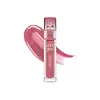 Key Ingredients
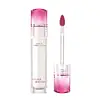
Benefits
Concerns
Ingredients Side-by-side
Hydrogenated Polyisobutene
EmollientBis-Behenyl/Isostearyl/Phytosteryl Dimer Dilinoleyl Dimer Dilinoleate
EmollientDiisostearyl Malate
EmollientCaprylic/Capric Triglyceride
Masking


Silica Dimethyl Silylate
EmollientMicrocrystalline Wax
Emulsion StabilisingPolyglyceryl-2 Triisostearate
Emulsifying

Menthyl Lactate
Masking
Sorbitan Isostearate
Emulsifying
CI 77492
Cosmetic ColorantCI 77891
Cosmetic ColorantParfum
Masking



CI 15850
Cosmetic ColorantCI 77499
Cosmetic ColorantCI 77491
Cosmetic ColorantCI 42090
Cosmetic ColorantAluminum Hydroxide
EmollientTocopherol
Antioxidant





BHT
Antioxidant
Hydrogenated Polyisobutene, Bis-Behenyl/Isostearyl/Phytosteryl Dimer Dilinoleyl Dimer Dilinoleate, Diisostearyl Malate, Caprylic/Capric Triglyceride, Silica Dimethyl Silylate, Microcrystalline Wax, Polyglyceryl-2 Triisostearate, Menthyl Lactate, Sorbitan Isostearate, CI 77492, CI 77891, Parfum, CI 15850, CI 77499, CI 77491, CI 42090, Aluminum Hydroxide, Tocopherol, BHT
Water
Skin ConditioningDiisostearyl Malate
EmollientBis-Diglyceryl Polyacyladipate-2
Emollient
Trimethylsiloxyphenyl Dimethicone

Hydrogenated Polyisobutene
EmollientBis-Behenyl/Isostearyl/Phytosteryl Dimer Dilinoleyl Dimer Dilinoleate
EmollientPolyphenylsilsesquioxane
Diglycerin
Humectant
Cetyl PEG/PPG-10/1 Dimethicone
Emulsifying
Polysorbate 60
Emulsifying
Ceteareth-20
Cleansing
1,2-Hexanediol
Skin Conditioning
Hydroxyethyl Acrylate/Sodium Acryloyldimethyl Taurate Copolymer
Emulsion StabilisingSqualane
Emollient
Behenyl Alcohol
Emollient
Phenoxyethanol
Preservative
Caprylyl Glycol
Emollient
CI 77891
Cosmetic ColorantCI 15985
Cosmetic ColorantCI 17200
Cosmetic ColorantParfum
Masking
Sorbitan Isostearate
Emulsifying
Aluminum Hydroxide
EmollientAmmonium Polyacrylate
StabilisingCI 42090
Cosmetic ColorantButylene Glycol
Humectant
Caprylic/Capric Triglyceride
Masking
Pentaerythrityl Tetra-Di-T-Butyl Hydroxyhydrocinnamate
Antioxidant
Rose Extract
Skin ConditioningWater, Diisostearyl Malate, Bis-Diglyceryl Polyacyladipate-2, Trimethylsiloxyphenyl Dimethicone, Hydrogenated Polyisobutene, Bis-Behenyl/Isostearyl/Phytosteryl Dimer Dilinoleyl Dimer Dilinoleate, Polyphenylsilsesquioxane, Diglycerin, Cetyl PEG/PPG-10/1 Dimethicone, Polysorbate 60, Ceteareth-20, 1,2-Hexanediol, Hydroxyethyl Acrylate/Sodium Acryloyldimethyl Taurate Copolymer, Squalane, Behenyl Alcohol, Phenoxyethanol, Caprylyl Glycol, CI 77891, CI 15985, CI 17200, Parfum, Sorbitan Isostearate, Aluminum Hydroxide, Ammonium Polyacrylate, CI 42090, Butylene Glycol, Caprylic/Capric Triglyceride, Pentaerythrityl Tetra-Di-T-Butyl Hydroxyhydrocinnamate, Rose Extract
Reviews
Ingredients Explained
These ingredients are found in both products.
Ingredients higher up in an ingredient list are typically present in a larger amount.
Aluminum Hydroxide is a form of aluminum. It can be naturally found in nature as the mineral gibbsite. In cosmetics, Aluminum Hydroxide is used as a colorant, pH adjuster, and absorbent.
As a colorant, Aluminum Hydroxide may add opacity, or reduce the transparency. Aluminum hydroxide is contains both basic and acidic properties.
According to manufacturers, this ingredient is an emollient and humectant. This means it helps hydrate the skin.
In medicine, this ingredient is used to help relieve heartburn and help heal ulcers.
There is currently no credible scientific evidence linking aluminum hydroxide in cosmetics to increased cancer risk.
Major health organizations allow the use of aluminum hydroxide in personal care products and have not flagged it as a carcinogenic risk at typical usage levels.
Learn more about Aluminum HydroxideThis ingredient is an emollient and skin conditioning agent.
Caprylic/Capric Triglyceride (aka MCT Oil) is a lightweight emollient, solvent, and texture enhancer. It is considered a skin-softener by helping to prevent moisture loss.
Though it behaves like an oil, it is not technically one due to its chemical composition. One perk of this ingredient is that it is very stable, resistant to oxidation, and unlikely to go rancid.
In practice, that translates to a long shelf life and a consistently elegant skin feel.
While there is an assumption Caprylic Triglyceride can clog pores due to it being derived from coconut oil, there is no research supporting this. Just patch test if you have concerns.
Fractionated coconut oil and MCT Oil are both listed as Caprylic/Capric Triglyceride according to INCI. This is because INCI names are based on the ingredient’s final chemical composition and not its marketing name or source.
This ingredient is treated as the gold standard fungal acne safe oil. Even though it is coconut derived, the problematic lauric acid is stripped out.
This leaves just caprylic (C8) and capric (C10) acid. These chain lengths actually trend antifungal; a 2020 study found caprylic acid was enough to disrupt Malassezia furfur cell membrane, with a caprylic acid derivative damaging membrane structures at concentrations as low as 0.2%.
Learn more about Caprylic/Capric TriglycerideCi 42090 is a synthetic dye created from petroleum. It is used to give a bright blue color to cosmetics, medicine, and food.
Ci 77891 is a white pigment from Titanium dioxide. It is naturally found in minerals such as rutile and ilmenite.
It's main function is to add a white color to cosmetics. It can also be mixed with other colors to create different shades.
Ci 77891 is commonly found in sunscreens due to its ability to block UV rays.
Learn more about CI 77891Diisostearyl Malate is an emollient and most often used in lip products. It comes from isostearyl alcohol, a fatty acid, and malic acid, an AHA.
As an emollient, Diisostearyl Malate helps create a thin film on your skin to trap moisture in. This helps keep your skin soft and smooth.
Hydrogenated Polyisobutene is a synthetic polymer. Polymers are compounds with high molecular weight. Hydrogenated Polyisobutene is an emollient and texture enhancer.
In one study, Hydrogenated Polyisobutene showed better skin hydration levels than Caprylic/Capric Triglyceride. As an emollient, it helps keep your skin soft and hydrated by trapping moisture in.
Hydrogenated Polyisobutene is often used as a mineral oil replacement.
Learn more about Hydrogenated PolyisobuteneParfum is a catch-all term for an ingredient or more that is used to give a scent to products.
Also called "fragrance", this ingredient can be a blend of hundreds of chemicals or plant oils. This means every product with "fragrance" or "parfum" in the ingredients list is a different mixture.
For instance, Habanolide is a proprietary trade name for a specific aroma chemical. When used as a fragrance ingredient in cosmetics, most aroma chemicals fall under the broad labeling category of “FRAGRANCE” or “PARFUM” according to EU and US regulations.
The term 'parfum' or 'fragrance' is not regulated in many countries. In many cases, it is up to the brand to define this term.
For instance, many brands choose to label themselves as "fragrance-free" because they are not using synthetic fragrances. However, their products may still contain ingredients such as essential oils that are considered a fragrance by INCI standards.
One example is Calendula flower extract. Calendula is an essential oil that still imparts a scent or 'fragrance'.
Depending on the blend, the ingredients in the mixture can cause allergies and sensitivities on the skin. Some ingredients that are known EU allergens include linalool and citronellol.
Parfum can also be used to mask or cover an unpleasant scent.
The bottom line is: not all fragrances/parfum/ingredients are created equally. If you are worried about fragrances, we recommend taking a closer look at an ingredient. And of course, we always recommend speaking with a professional.
Learn more about ParfumSorbitan Isostearate is an emulsifer. It is created from isostearic acid and sorbitol.
As an emulsifier, it keeps the water and oil ingredients from separating. This keeps formulas stable and smooth.
In a 24 hour occlusive patch test on 56 subjects, 10% sorbitan isostearate was completely non-irritating. Most formulas use less than 10%.
Because it's a fatty acid ester, it may not be fungal acne safe since the Malassezia yeast can utilize it as a nutrient source.
Learn more about Sorbitan Isostearate

