

What's inside
What's inside
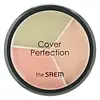 Key Ingredients
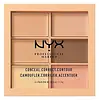
Benefits
Concerns
Ingredients Side-by-side
CI 77891
Cosmetic ColorantCaprylic/Capric Triglyceride
Masking


Polyisobutene
Mica
Cosmetic ColorantIsodecyl Neopentanoate
EmollientDiisostearyl Malate
EmollientHydrogenated Castor Oil
Emollient


Dipentaerythrityl Hexahydroxystearate/Hexastearate/Hexarosinate
Skin ConditioningMethyl Methacrylate Crosspolymer

Butyloctyl Salicylate
Skin Conditioning

CI 77492
Cosmetic ColorantParaffin
Skin Conditioning
Aluminum Hydroxide
Emollient1,2-Hexanediol
Skin Conditioning
Sorbitan Sesquioleate
Emulsifying
Microcrystalline Wax
Emulsion StabilisingCI 77491
Cosmetic ColorantMethicone
Emollient
CI 77499
Cosmetic ColorantCaprylyl Glycol
Emollient
Squalane
Emollient
Parfum
Masking


Prunus Amygdalus Dulcis Oil
Skin Conditioning
Water
Skin ConditioningBHT
Antioxidant
Butylene Glycol
Humectant
Aspalathus Linearis Leaf Extract
Skin ConditioningThymus Vulgaris Extract
Perfuming
Foeniculum Vulgare Leaf Extract
HumectantLinalool
Perfuming
Limonene
Perfuming
Hexyl Cinnamal
Perfuming
Titanium Dioxide
Cosmetic Colorant
CI 77288
Cosmetic ColorantAlpha-Isomethyl Ionone
Perfuming
CI 77891, Caprylic/Capric Triglyceride, Polyisobutene, Mica, Isodecyl Neopentanoate, Diisostearyl Malate, Hydrogenated Castor Oil, Dipentaerythrityl Hexahydroxystearate/Hexastearate/Hexarosinate, Methyl Methacrylate Crosspolymer, Butyloctyl Salicylate, CI 77492, Paraffin, Aluminum Hydroxide, 1,2-Hexanediol, Sorbitan Sesquioleate, Microcrystalline Wax, CI 77491, Methicone, CI 77499, Caprylyl Glycol, Squalane, Parfum, Prunus Amygdalus Dulcis Oil, Water, BHT, Butylene Glycol, Aspalathus Linearis Leaf Extract, Thymus Vulgaris Extract, Foeniculum Vulgare Leaf Extract, Linalool, Limonene, Hexyl Cinnamal, Titanium Dioxide, CI 77288, Alpha-Isomethyl Ionone
Bis-Diglyceryl Polyacyladipate-2
Emollient
Caprylic/Capric Triglyceride
Masking
Octyldodecanol
Emollient
Pentaerythrityl Tetraisostearate
Emollient
Polyethylene
Abrasive
Isostearyl Isostearate
Emollient
Euphorbia Cerifera Cera
Astringent
Polyglyceryl-3 Diisostearate
Emulsifying
Glyceryl Hydrogenated Rosinate
Cera Microcristallina
Emulsion StabilisingDiisostearyl Malate
EmollientSilica
Abrasive
Jojoba Esters
Emollient
Synthetic Beeswax
Emulsion Stabilising
Tocopheryl Acetate
Antioxidant

BHA
Antioxidant
CI 77891
Cosmetic ColorantCI 77491
Cosmetic ColorantCI 77492
Cosmetic ColorantCI 77499
Cosmetic ColorantBis-Diglyceryl Polyacyladipate-2, Caprylic/Capric Triglyceride, Octyldodecanol, Pentaerythrityl Tetraisostearate, Polyethylene, Isostearyl Isostearate, Euphorbia Cerifera Cera, Polyglyceryl-3 Diisostearate, Glyceryl Hydrogenated Rosinate, Cera Microcristallina, Diisostearyl Malate, Silica, Jojoba Esters, Synthetic Beeswax, Tocopheryl Acetate, BHA, CI 77891, CI 77491, CI 77492, CI 77499
Reviews
Ingredients Explained
These ingredients are found in both products.
Ingredients higher up in an ingredient list are typically present in a larger amount.
Caprylic/Capric Triglyceride (aka MCT Oil) is a lightweight emollient, solvent, and texture enhancer. It is considered a skin-softener by helping to prevent moisture loss.
Though it behaves like an oil, it is not technically one due to its chemical composition. One perk of this ingredient is that it is very stable, resistant to oxidation, and unlikely to go rancid.
In practice, that translates to a long shelf life and a consistently elegant skin feel.
While there is an assumption Caprylic Triglyceride can clog pores due to it being derived from coconut oil, there is no research supporting this. Just patch test if you have concerns.
Fractionated coconut oil and MCT Oil are both listed as Caprylic/Capric Triglyceride according to INCI. This is because INCI names are based on the ingredient’s final chemical composition and not its marketing name or source.
This ingredient is treated as the gold standard fungal acne safe oil. Even though it is coconut derived, the problematic lauric acid is stripped out.
This leaves just caprylic (C8) and capric (C10) acid. These chain lengths actually trend antifungal; a 2020 study found caprylic acid was enough to disrupt Malassezia furfur cell membrane, with a caprylic acid derivative damaging membrane structures at concentrations as low as 0.2%.
Learn more about Caprylic/Capric TriglycerideCi 77491 is also hydrated iron III oxide. It's sole purpose is to give a red/pink hue to products.
Iron III oxides are classified as inorganic chemicals for coloring.
Synthetically created Ci 77491 is considered safer than those naturally found. This is because the synthetically created version may contain less impurities. Iron oxides are generally non-toxic and non-allergenic.
Learn more about CI 77491CI 77492 is also hydrated iron III oxide. It's sole purpose is to give a yellow hue to products.
Iron III oxides are classified as inorganic chemicals for coloring.
Synthetically created CI 77492 is considered safer than those naturally found. This is because the synthetically created version may contain less impurities. Iron oxides are generally non-toxic and non-allergenic.
Learn more about CI 77492Ci 77499 is also hydrated iron III oxide. It is created from mixing red and black iron oxides. This helps give shades of darkness to a product.
Iron III oxides are classified as inorganic chemicals for coloring.
Ci 77891 is a white pigment from Titanium dioxide. It is naturally found in minerals such as rutile and ilmenite.
It's main function is to add a white color to cosmetics. It can also be mixed with other colors to create different shades.
Ci 77891 is commonly found in sunscreens due to its ability to block UV rays.
Learn more about CI 77891Diisostearyl Malate is an emollient and most often used in lip products. It comes from isostearyl alcohol, a fatty acid, and malic acid, an AHA.
As an emollient, Diisostearyl Malate helps create a thin film on your skin to trap moisture in. This helps keep your skin soft and smooth.


