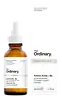
This hydrating serum is formulated around Sodium PCA and Panthenol to hydrate skin and strengthen the skin barrier.
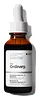
This anti-aging serum is formulated around Hydroxypinacolone Retinoate and Retinol to soften the look of wrinkles and refine skin texture.

What's inside
What's inside
 Key Ingredients
No key ingredients
Benefits
Concerns
Ingredients Side-by-side
Water
Skin ConditioningPropanediol
Solvent

Betaine
Humectant
Sodium PCA
Humectant
Panthenol
Skin Conditioning

Sodium Lactate
Buffering
Arginine
Masking
PCA
Humectant
Aspartic Acid
Masking
Glycine
Buffering
Alanine
Masking
Serine
Masking
Threonine
Valine
MaskingProline
Skin Conditioning
Isoleucine
Skin ConditioningLysine Hcl
Skin Conditioning
Histidine
Humectant
Phenylalanine
Masking
Glutamic Acid
Humectant
Citric Acid
Buffering


Dimethyl Isosorbide
SolventPolysorbate 20
Emulsifying
Trisodium Ethylenediamine Disuccinate
Chelating1,2-Hexanediol
Skin Conditioning
Caprylyl Glycol
Emollient
Water, Propanediol, Betaine, Sodium PCA, Panthenol, Sodium Lactate, Arginine, PCA, Aspartic Acid, Glycine, Alanine, Serine, Threonine, Valine, Proline, Isoleucine, Lysine Hcl, Histidine, Phenylalanine, Glutamic Acid, Citric Acid, Dimethyl Isosorbide, Polysorbate 20, Trisodium Ethylenediamine Disuccinate, 1,2-Hexanediol, Caprylyl Glycol
Water
Skin ConditioningGlycerin
Humectant
Caprylic/Capric Triglyceride
Masking
Ethyl Linoleate
Emollient

Propanediol
Solvent
Dimethyl Isosorbide
SolventCetearyl Isononanoate
Emollient
Bisabolol
Antioxidant
Hydroxypinacolone Retinoate
Skin Conditioning




Retinol
Skin Conditioning

Tasmannia Lanceolata Fruit/Leaf Extract
Antioxidant
Inulin Lauryl Carbamate
Emulsion StabilisingGlyceryl Stearate
Emollient
Ceteareth-12
EmulsifyingCeteareth-20
Cleansing

Cetearyl Alcohol
Emollient
Carrageenan
Xanthan Gum
EmulsifyingAcacia Senegal Gum
MaskingCetyl Palmitate
Emollient
Sucrose Laurate
Emollient
Polysorbate 20
Emulsifying
Isoceteth-20
EmulsifyingRosmarinus Officinalis Leaf Extract
AntimicrobialHydroxymethoxyphenyl Decanone
Skin ConditioningBehentrimonium Chloride
Preservative
Trisodium Ethylenediamine Disuccinate
ChelatingDisodium EDTA
ChelatingDehydroacetic Acid
Preservative
Benzoic Acid
Masking
Ethylhexylglycerin
Skin ConditioningPhenoxyethanol
Preservative
Chlorphenesin
Antimicrobial
Water, Glycerin, Caprylic/Capric Triglyceride, Ethyl Linoleate, Propanediol, Dimethyl Isosorbide, Cetearyl Isononanoate, Bisabolol, Hydroxypinacolone Retinoate, Retinol, Tasmannia Lanceolata Fruit/Leaf Extract, Inulin Lauryl Carbamate, Glyceryl Stearate, Ceteareth-12, Ceteareth-20, Cetearyl Alcohol, Carrageenan, Xanthan Gum, Acacia Senegal Gum, Cetyl Palmitate, Sucrose Laurate, Polysorbate 20, Isoceteth-20, Rosmarinus Officinalis Leaf Extract, Hydroxymethoxyphenyl Decanone, Behentrimonium Chloride, Trisodium Ethylenediamine Disuccinate, Disodium EDTA, Dehydroacetic Acid, Benzoic Acid, Ethylhexylglycerin, Phenoxyethanol, Chlorphenesin
Reviews
Ingredients Explained
These ingredients are found in both products.
Ingredients higher up in an ingredient list are typically present in a larger amount.
Dimethyl Isosorbide (often shortened to DMI) is a sugar-derived solvent made from sorbitol. It's used to dissolve tricky ingredients and help them mix smoothly into a formula.
Many actives sit as gritty crystals when undissolved, so DMI swoops in to full dissolve them. This helps improve texture, stability, and how evenly an active is distributed.
It does have a penetration-enhancing reputation that is a bit more nuanced than marketing suggests; a cell study on human skin found that 10% DMI didn't significantly boost the permeation of Hydroquinone, Salicylic Acid, or Octadecenedioic Acid compared to controls (though it did improve their solubility in the formula itself).
Typical usage concentrations usually range from 1-10% depending on the formula's needs; this ingredient is also well tolerated at these levels.
Learn more about Dimethyl IsosorbidePolysorbate 20 is a gentle, water-soluble emulsifier and mild surfactant. It stops oil and water from separating to keep your formulas blended and stable.
It also acts as a mild penetration enhancer by helping active ingredients absorb slightly better.
The common safety discussion around this ingredient involves a manufacturing byproduct called 1,4-dioxane.
Trace amounts can form during production but the EU's Scientific Committee on Consumer Safety has concluded that levels at/below 10 ppm in finished products are safe (commercial products consistently fall within acceptable margins).
True allergic reactions are uncommon and the CIR Expert Panel has confirmed this ingredient to be safe as used in cosmetics.
Because it is derived from lauric acid, it may not be fungal acne safe.
Learn more about Polysorbate 20Propanediol is an all-star ingredient. It softens, hydrates, and smooths the skin.
It’s often used to:
Propanediol is not likely to cause sensitivity and considered safe to use. It is derived from corn or petroleum with a clear color and no scent.
Learn more about PropanediolTrisodium Ethylenediamine Disuccinate is used to help stabilize a product.
It is a chelating agent, meaning it helps prevent metal ions from binding to other ingredients. This prevents unwanted reactions in products. Metal ions can come into a product via the water ingredient. They are found in trace amounts and are not known to be harmful.
Water. It's the most common cosmetic ingredient of all. You'll usually see it at the top of ingredient lists, meaning that it makes up the largest part of the product.
So why is it so popular? Water most often acts as a solvent - this means that it helps dissolve other ingredients into the formulation.
You'll also recognize water as that liquid we all need to stay alive. If you see this, drink a glass of water. Remember to stay hydrated!
Learn more about Water

