
What's inside
What's inside
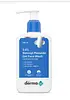 Key Ingredients
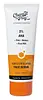
Benefits
Concerns
Ingredients Side-by-side
Water
Skin ConditioningDecyl Glucoside
Cleansing
Propylene Glycol
Humectant


Sodium Lauroyl Sarcosinate
CleansingCocamidopropyl Betaine
Cleansing
Aloe Barbadensis Leaf Extract
Emollient

Glycerin
Humectant

Coco-Glucoside
Cleansing
Benzoyl Peroxide



Acrylates/C10-30 Alkyl Acrylate Crosspolymer
Emulsion StabilisingCocamide Mea
Emulsifying
Saccharide Isomerate
Humectant
Laminaria Digitata Extract
Skin Protecting
Cetyl-Pg Hydroxyethyl Palmitamide
Skin ConditioningCeramide EOP
Skin Conditioning

Ceramide Ns
Skin Conditioning
Ceramide NP
Skin Conditioning
Ceramide As
Skin Conditioning
Ceramide AP
Skin Conditioning
Allantoin
Skin Conditioning
Citric Acid
Buffering

Sodium Citrate
BufferingZinc Oxide
Cosmetic Colorant


Phenoxyethanol
Preservative
Ethylhexylglycerin
Skin ConditioningDisodium EDTA
Water, Decyl Glucoside, Propylene Glycol, Sodium Lauroyl Sarcosinate, Cocamidopropyl Betaine, Aloe Barbadensis Leaf Extract, Glycerin, Coco-Glucoside, Benzoyl Peroxide, Acrylates/C10-30 Alkyl Acrylate Crosspolymer, Cocamide Mea, Saccharide Isomerate, Laminaria Digitata Extract, Cetyl-Pg Hydroxyethyl Palmitamide, Ceramide EOP, Ceramide Ns, Ceramide NP, Ceramide As, Ceramide AP, Allantoin, Citric Acid, Sodium Citrate, Zinc Oxide, Phenoxyethanol, Ethylhexylglycerin, Disodium EDTA
Water
Skin ConditioningSorbitol
Humectant
Sodium Lauroamphoacetate
CleansingSodium C14-16 Olefin Sulfonate
Cleansing
Juglans Regia Shell Powder
Abrasive
Propylene Glycol
Humectant
Cocamidopropyl Betaine
Cleansing
Parfum
Masking

Acrylates/C10-30 Alkyl Acrylate Crosspolymer
Emulsion StabilisingLactobionic Acid
Buffering


Mandelic Acid
Antimicrobial
Citrus Limon Fruit Extract
Masking
Oryza Sativa Extract
Absorbent
Butyrospermum Parkii Butter
Skin Conditioning


1,2-Hexanediol
Skin Conditioning
Euterpe Oleracea Pulp Powder
Abrasive
PEG-40 Hydrogenated Castor Oil
Emulsifying
Perlite
Absorbent
Xanthan Gum
EmulsifyingDisodium EDTA
Phenoxyethanol
Preservative
PEG-45m
HumectantWater, Sorbitol, Sodium Lauroamphoacetate, Sodium C14-16 Olefin Sulfonate, Juglans Regia Shell Powder, Propylene Glycol, Cocamidopropyl Betaine, Parfum, Acrylates/C10-30 Alkyl Acrylate Crosspolymer, Lactobionic Acid, Mandelic Acid, Citrus Limon Fruit Extract, Oryza Sativa Extract, Butyrospermum Parkii Butter, 1,2-Hexanediol, Euterpe Oleracea Pulp Powder, PEG-40 Hydrogenated Castor Oil, Perlite, Xanthan Gum, Disodium EDTA, Phenoxyethanol, PEG-45m
Reviews
Ingredients Explained
These ingredients are found in both products.
Ingredients higher up in an ingredient list are typically present in a larger amount.
Acrylates/C10-30 Alkyl Acrylate Crosspolymer is a synthetic polymer. It is used to thicken, emulsify, and improve the texture of products.
As an emulsifier, it helps stabilize oil-in-water emulsions to give products an elegant feel when applied.
It can also form a thin protective film on skin. One study found that a formula using this polymer helped slow down how quickly other ingredients (like DEET) were absorbed through skin.
A 2024 study of over 1,300 patients confirmed that sensitization to this ingredient is rare. It is also non-mutagenic and has a clean track record.
Learn more about Acrylates/C10-30 Alkyl Acrylate CrosspolymerCocamidopropyl Betaine is a fatty acid created by mixing similar compounds in coconut oil and dimethylaminopropylamine, a compound with two amino groups.
This ingredient is a surfactant and cleanser. It helps gather the dirt, pollutants, and other impurities in your skin to be washed away. It also helps thicken a product and make the texture more creamy.
Being created from coconut oil means Cocamidopropyl Betaine is hydrating for the skin.
While Cocamidopropyl Betaine was believed to be an allergen, a study from 2012 disproved this. It found two compounds in unpure Cocamidopropyl Betaine to be the irritants: aminoamide and 3-dimethylaminopropylamine. High-grade and pure Cocamidopropyl Betaine did not induce allergic reactions during this study.
Learn more about Cocamidopropyl BetaineDisodium EDTA is a chelating agent. It grabs onto and deactivates metal ions that sneak into your products from water, packaging, or air.
This ingredient mainly works behind the scenes and helps with:
On top of that, this ingredient can counteract the effects of hard water by binding to the minerals in it.
One thing worth knowing is that Disodium EDTA has been shown to be a mild penetration enhancer. It can help other ingredients absorb into skin more effectively which can be a double-edged sword (great for actives, but can also make the active too strong if you have sensitive skin).
Clinical patch testing showed no significant skin irritation at typical use concentrations and minimal dermal absorption.
You'll most likely see this ingredient near the end of an ingredient list. It's typically found in concentrations less than 1%.
Learn more about Disodium EDTAPhenoxyethanol is a preservative that has germicide, antimicrobial, and aromatic properties. Studies show that phenoxyethanol can prevent microbial growth. By itself, it has a scent that is similar to that of a rose.
It's often used in formulations along with Caprylyl Glycol to preserve the shelf life of products.
Propylene Glycol is a synthetic, colorless, odorless liquid that has been a staple in cosmetics for decades. It is a skin conditioning agent, humectant, and solvent.
As a humectant, it draw water to the skin to reduce flaking and restore suppleness. It's also a solvent that helps dissolve other actives and keeps formulas stable across temperature changes.
The CIR Expert Panel has confirmed this ingredient to be nontoxic and clinical studies show no sensitization at cosmetic use concentrations.
True allergic reactions are quite rare: a 15-year retrospective study of 6,751 patients found only 0.31% had a positive reaction (and less than half were considered clinically relevant).
It seemed that when sensitization does occur, it's most commonly linked to topical medication (like corticosteroids) and not cosmetics. Allergic contact dermatitis also appears largely limited to individuals with underlying skin conditions.
Overall, propylene glycol is a well-studied ingredient that most people can tolerate without issue.
Learn more about Propylene GlycolWater. It's the most common cosmetic ingredient of all. You'll usually see it at the top of ingredient lists, meaning that it makes up the largest part of the product.
So why is it so popular? Water most often acts as a solvent - this means that it helps dissolve other ingredients into the formulation.
You'll also recognize water as that liquid we all need to stay alive. If you see this, drink a glass of water. Remember to stay hydrated!
Learn more about Water
