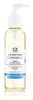
This oil-based makeup remover is made to dissolve makeup, sunscreen, and daily buildup.
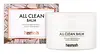
This oil-based makeup remover is made to dissolve makeup, sunscreen, and daily buildup.


What's inside
What's inside
 Key Ingredients
Benefits
Concerns
Ingredients Side-by-side
Glycine Soja Oil
Emollient








Prunus Amygdalus Dulcis Oil
Skin Conditioning
Helianthus Annuus Hybrid Oil
Emollient
Helianthus Annuus Seed Oil
Emollient
Caprylic/Capric Triglyceride
Masking

Ethylhexyl Palmitate
Emollient
C12-15 Alkyl Benzoate
AntimicrobialIsohexadecane
EmollientPolysorbate 85
Emulsifying
Sorbitan Trioleate
Emulsifying
Sesamum Indicum Seed Oil
Emollient
Octyldodecanol
Emollient
Parfum
Masking


Linalool
Perfuming
Tocopherol
Antioxidant




Limonene
Perfuming
Water
Skin ConditioningAnthemis Nobilis Flower Oil
Masking
Citric Acid
Buffering
Glycine Soja Oil, Prunus Amygdalus Dulcis Oil, Helianthus Annuus Hybrid Oil, Helianthus Annuus Seed Oil, Caprylic/Capric Triglyceride, Ethylhexyl Palmitate, C12-15 Alkyl Benzoate, Isohexadecane, Polysorbate 85, Sorbitan Trioleate, Sesamum Indicum Seed Oil, Octyldodecanol, Parfum, Linalool, Tocopherol, Limonene, Water, Anthemis Nobilis Flower Oil, Citric Acid
Ethylhexyl Palmitate
Emollient
Cetyl Ethylhexanoate
EmollientPEG-20 Glyceryl Triisostearate
Emollient
Polyethylene
Abrasive
PEG-8 Isostearate
Emulsifying
1,2-Hexanediol
Skin Conditioning
Butyrospermum Parkii Butter
Skin Conditioning
Tocopheryl Acetate
Antioxidant
Citrus Aurantium Dulcis Peel Oil
Masking
Lavandula Angustifolia Oil
Masking
Pelargonium Graveolens Flower Oil
Masking
Amyris Balsamifera Bark Oil
Masking
Eucalyptus Globulus Leaf Oil
Perfuming
Melaleuca Alternifolia Leaf Oil
Antioxidant

Citrus Paradisi Peel Oil
Masking
Citrus Aurantium Bergamia Fruit Oil
Masking
Boswellia Carterii Oil
Masking
Juniperus Mexicana Oil
Masking
Water
Skin ConditioningCocos Nucifera Fruit Extract
Emollient
Butylene Glycol
Humectant
Citrus Aurantifolia Fruit Extract
Skin ConditioningCitric Acid
Buffering
Phenoxyethanol
Preservative
Nelumbium Speciosum Flower Extract
Skin ConditioningFreesia Refracta Extract
Skin ConditioningRose Extract
Skin ConditioningLeontopodium Alpinum Extract
Skin ConditioningJasminum Officinale Extract
Masking
Narcissus Pseudo-Narcissus Flower Extract
Skin ConditioningLilium Tigrinum Extract
Skin ConditioningIris Versicolor Extract
EmollientEthylhexylglycerin
Skin ConditioningLimonene
Perfuming
Citral
Perfuming
Linalool
Perfuming
Ethylhexyl Palmitate, Cetyl Ethylhexanoate, PEG-20 Glyceryl Triisostearate, Polyethylene, PEG-8 Isostearate, 1,2-Hexanediol, Butyrospermum Parkii Butter, Tocopheryl Acetate, Citrus Aurantium Dulcis Peel Oil, Lavandula Angustifolia Oil, Pelargonium Graveolens Flower Oil, Amyris Balsamifera Bark Oil, Eucalyptus Globulus Leaf Oil, Melaleuca Alternifolia Leaf Oil, Citrus Paradisi Peel Oil, Citrus Aurantium Bergamia Fruit Oil, Boswellia Carterii Oil, Juniperus Mexicana Oil, Water, Cocos Nucifera Fruit Extract, Butylene Glycol, Citrus Aurantifolia Fruit Extract, Citric Acid, Phenoxyethanol, Nelumbium Speciosum Flower Extract, Freesia Refracta Extract, Rose Extract, Leontopodium Alpinum Extract, Jasminum Officinale Extract, Narcissus Pseudo-Narcissus Flower Extract, Lilium Tigrinum Extract, Iris Versicolor Extract, Ethylhexylglycerin, Limonene, Citral, Linalool
Reviews
Ingredients Explained
These ingredients are found in both products.
Ingredients higher up in an ingredient list are typically present in a larger amount.
Citric Acid is an alpha hydroxy acid (AHA) naturally found in citrus fruits like oranges, lemons, and limes.
Like other AHAs, citric acid can exfoliate skin by breaking down the bonds that hold dead skin cells together. This helps reveal smoother and brighter skin underneath.
However, this exfoliating effect only happens at high concentrations (20%) which can be hard to find in cosmetic products.
Due to this, citric acid is usually included in small amounts as a pH adjuster. This helps keep products slightly more acidic and compatible with skin's natural pH.
In skincare formulas, citric acid can:
While it can provide some skin benefits, research shows lactic acid and glycolic acid are generally more effective and less irritating exfoliants.
Most citric acid used in skincare today is made by fermenting sugars (usually from molasses). This synthetic version is identical to the natural citrus form but easier to stabilize and use in formulations.
Rosacea skin has a lower threshold for acids generally, with 62.5% of rosacea subjects in one study reacting to lactic acid in a sting test. This is why we mark citric acid as a potential rosacea trigger.
However, this ingredient shows up as a pH adjuster or chelator at roughly 0.1-1% in many products. These low levels are unlikely to be an issue for rosacea skin and becomes a potential trigger at exfoliating concentrations (20%). Because everybody's skin is unique, we recommend a patch test if you are unsure.
Learn more about Citric AcidEthylhexyl Palmitate, also known as octyl palmitate, is created from 2-ethylhexyl alcohol and palmitic acid.
In cosmetics, it plays many roles:
One thing worth noting: a controlled study found this ingredient applied under occlusion to acne-prone subjects increased microcomedones. Just keep in mind this was under occlusive conditions and don't reflect how most products are used day-to-day.
For most people, this is a well-tolerated and lightweight ingredient.
This ingredient may not be fungal acne safe because it is an ester of palmitic acid, a C16 fatty acid that falls within the C11-24 range that Malassezia can metabolize.
You'll see this one rated 4 comedogenic all over the internet. That number isn't from a single study, and the actual research is more interesting.
The original rating comes from 1980s rabbit ear tests (which are a shaky basis for anything). But Ethylhexyl Palmitate is one of the few ingredients with real human data behind it. A 2021 controlled trial found this ingredient increased microcomedones by an average of 365% over four weeks.
Just know that test used the pure ingredient under an occlusive pad on back skin; most products use it at much lower levels alongside other ingredients and plenty of people use those with no issue.
Learn more about Ethylhexyl PalmitateLimonene is the compound that gives citrus peel its smell.
In skincare, it shows up as a standalone fragrance ingredient or as a natural compound of citrus and other essential oils.
You'll typically see this ingredient used in very small amounts; anything above 0.001% in a leave-on product or 0.01% in a rinse-off has to be named on the label in the EU. The citrus oils that carry it sit around 0.5-1% in a finished formula.
Fresh limonene is a weak allergen; the real issue is that it slowly reacts with air and then breaks down from oxidation to create hydroperoxides (which are strong sensitizers). This is why suppliers are required to keep the peroxide value below 20 mmol.
Positive reactions in people being investigated for eczema vary:
It's worth skipping if you have a known fragrance allergy or a compromised barrier, but the risk is low for most people.
Older or long-opened products are also more likely to bother you than fresh ones due to oxidation.
Learn more about LimoneneLinalool is a small, naturally occurring scent molecule found in plants like lavender, coriander, bergamot, and more.
It is one of the two most-used fragrance ingredients in cosmetics and added purely for smell. Since it's not used for a skin benefit, there's no "effective dose". Concentration depends on the fragrance load of the product.
The EU requires it to be named on the label above 0.001% in leave-on and 0.01% in rinse-off products.
Fresh linalool is a weak sensitizer but air exposure turns some of it into hydroperoxides, which are strong sensitizers. Those oxidation products are the actual allergy concern.
Patch-test clinics see positive reactions to linalool hydroperoxides in about 4% to 12% of dermatitis patients depending on country and test concentration.
Resassuringly, one analytical study found hydroperoxide levels in real fragranced products to be orders of magnitude below what induced sensitization in animal studies with no evidence of oxidation building up during normal storage.
The practical takeaway is that linalool is fine for most people but worth avoiding if you have a confirmed fragrance contact allergy or a badly compromised barrier.
Products stored a long time after opening are also the high-risk scenario since that is when oxidation happens.
The scent of linalool is described as floral, spicy tropical, and citrus-like.
Learn more about LinaloolWater. It's the most common cosmetic ingredient of all. You'll usually see it at the top of ingredient lists, meaning that it makes up the largest part of the product.
So why is it so popular? Water most often acts as a solvent - this means that it helps dissolve other ingredients into the formulation.
You'll also recognize water as that liquid we all need to stay alive. If you see this, drink a glass of water. Remember to stay hydrated!
Learn more about Water

