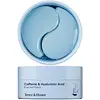
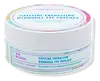
Terez & Honor Caffeine & Hyaluronic Acid Eye Gel Patch Versus Good Molecules Caffeine Energizing Hydrogel Eye Patches
This anti-aging eye mask is formulated around Niacinamide and Caffeine to soften the look of wrinkles and hydrate skin.
This brightening eye mask is formulated around Niacinamide and Caffeine to brighten dull-looking skin and soften the look of wrinkles.

What's inside
What's inside
 Key Ingredients
Benefits
Concerns
Ingredients Side-by-side
Water
Skin ConditioningGlycerin
Humectant


Niacinamide
Smoothing









Caffeine
Skin Conditioning
Sodium Hyaluronate
Humectant
Adenosine
Skin Conditioning
Calcium Chloride
AstringentGlucomannan
Skin ConditioningButylene Glycol
Humectant
1,2-Hexanediol
Skin Conditioning
Chondrus Crispus Powder
Abrasive


PEG-60 Hydrogenated Castor Oil
Emulsifying


Butyrospermum Parkii Butter
Skin Conditioning
Pentylene Glycol
Skin Conditioning
Ceratonia Siliqua Gum
EmollientXanthan Gum
EmulsifyingGlyceryl Caprylate
EmollientEthylhexylglycerin
Skin ConditioningDextrin
AbsorbentHydroxyethylcellulose
Emulsion StabilisingDisodium EDTA
ChelatingGardenia Florida Fruit Extract
Skin ConditioningSodium Guaiazulene Sulfonate
SurfactantWater, Glycerin, Niacinamide, Caffeine, Sodium Hyaluronate, Adenosine, Calcium Chloride, Glucomannan, Butylene Glycol, 1,2-Hexanediol, Chondrus Crispus Powder, PEG-60 Hydrogenated Castor Oil, Butyrospermum Parkii Butter, Pentylene Glycol, Ceratonia Siliqua Gum, Xanthan Gum, Glyceryl Caprylate, Ethylhexylglycerin, Dextrin, Hydroxyethylcellulose, Disodium EDTA, Gardenia Florida Fruit Extract, Sodium Guaiazulene Sulfonate
Water
Skin ConditioningGlycerin
Humectant
Niacinamide
Smoothing
Carrageenan
Caffeine
Skin Conditioning
Acetyl Tetrapeptide-5
Humectant
Ceratonia Siliqua Gum
EmollientCyamopsis Tetragonoloba Gum
Emulsion StabilisingCellulose Gum
Emulsion StabilisingRicinus Communis Seed Oil
Masking
Glucomannan
Skin ConditioningAllantoin
Skin Conditioning
Sodium Hyaluronate
Humectant
Astragalus Membranaceus Root Extract
Emollient
Glycyrrhiza Uralensis Root Extract
Skin Conditioning
Camellia Sinensis Leaf Extract
Antimicrobial
Aloe Barbadensis Leaf Juice
Skin Conditioning
Butylene Glycol
Humectant
Calcium Lactate
AstringentSucrose
Humectant
Calcium Chloride
AstringentPotassium Chloride
Arginine
Masking
Phenoxyethanol
Preservative
Sodium Benzoate
Masking
1,2-Hexanediol
Skin Conditioning
Caprylyl Glycol
Emollient
Polyglyceryl-4 Caprate
EmulsifyingWater, Glycerin, Niacinamide, Carrageenan, Caffeine, Acetyl Tetrapeptide-5, Ceratonia Siliqua Gum, Cyamopsis Tetragonoloba Gum, Cellulose Gum, Ricinus Communis Seed Oil, Glucomannan, Allantoin, Sodium Hyaluronate, Astragalus Membranaceus Root Extract, Glycyrrhiza Uralensis Root Extract, Camellia Sinensis Leaf Extract, Aloe Barbadensis Leaf Juice, Butylene Glycol, Calcium Lactate, Sucrose, Calcium Chloride, Potassium Chloride, Arginine, Phenoxyethanol, Sodium Benzoate, 1,2-Hexanediol, Caprylyl Glycol, Polyglyceryl-4 Caprate
Reviews
Ingredients Explained
These ingredients are found in both products.
Ingredients higher up in an ingredient list are typically present in a larger amount.
1,2-Hexanediol is a synthetic liquid and another multi-functional powerhouse.
It is a:
- Humectant, drawing moisture into the skin
- Emollient, helping to soften skin
- Solvent, dispersing and stabilizing formulas
- Preservative booster, enhancing the antimicrobial activity of other preservatives
Butylene Glycol (or BG) is used within cosmetic products for a few different reasons:
Overall, Butylene Glycol is a safe and well-rounded ingredient that works well with other ingredients.
Though this ingredient works well with most skin types, some people with sensitive skin may experience a reaction such as allergic rashes, closed comedones, or itchiness.
Learn more about Butylene GlycolCaffeine is a naturally occurring plant compound found in coffee beans, tea leaves, cocoa pods, and guarana.
As an antioxidant, caffeine protects your skin from free radical damage caused by UV exposure and envionrmnetal stressors.
Early research also shows that caffeine can help calm redness, soothe irritated skin, and support hair growth by stimulating microcirculation in the scalp.
You might have seen eye creams marketing caffeine as a depuffing ingredient. This is because it is a vasoconstrictor meaning it can temporarily constrict blood vessels, though clinical evidence for this specific use is still limited.
Most skincare products contain this ingredient at concentrations between 1-6%. It is able to penetrate skin easily regardless of skin type or thickness.
Just so you know, a very small number of case reports describe caffeine-induced allergy. This ingredient is generally well-tolerated, non-irritating, and non-sensitizing for the majority of people.
Learn more about CaffeineCalcium chloride is a white, odorless, crystalline solid. It is an astringent and can be used to change the viscosity of products.
This ingredient is highly soluble in water, acetic acid, and ethanol.
There are many forms of this ingredient, including monohydrate, dihydrate, tetrahydrate, and hexahydrate.
Learn more about Calcium ChlorideCeratonia Siliqua Gum is extracted from the seeds of the carob tree. You might know this ingredient as Carob Gum or Locust Bean Gum. It is used to stabilize other ingredients and improve the texture of products.
Carob gum is made up of long-chain polysaccharides. This makes it a natural thickener.
Yes! This ingredient comes from the seeds of a tree. The name 'Locust Bean Gum' can be misleading.
Learn more about Ceratonia Siliqua GumGlucomannan is a fiber created from the Konjac plant. It is an emulsifier and thickener.
The high polysaccharide content makes it great at adjusting the texture of products. (Kind of like starch).
Polysaccharides also help our skin stay hydrated.
This ingredient is water-soluble.
Learn more about GlucomannanGlycerin (or glycerol) is a compound naturally found in your skin. It's a powerhouse humectant that pulls water into the stratum corneum.
Topically, glycerin does several things at once:
Your skin makes glycerin on its own (mostly from sebaceous oil breakdown) and shuttles it to your outermost layer of skin, or your epidermis, via aquaporin-3.
Aquaporin-3 is a transporter that is essential for normal skin hydration, elasticity, and repair. Interestingly, mice lacking in AQP3 have dry and less elastic skin that can be fully corrected with glycerin.
This ingredient is non-irritating, plays well with almost every ingredient, and works across all skin types. Typical use is anywhere between 3-10% but can go up to 79% in some leave-on products.
Just know very high concentrations (>40%) can feel tacky in low humidity.
Glycerin is the name for this ingredient in American English. British English uses Glycerol/Glycerine.
Learn more about GlycerinNiacinamide is a multitasking form of vitamin B3 that strengthens the skin barrier, reduces pores and dark spots, regulates oil, and improves signs of aging.
And the best part? It's gentle and well-tolerated by most skin types, including sensitive and reactive skin.
You might have heard of "niacin flush", or the reddening of skin that causes itchiness. Niacinamide has not been found to cause this.
In very rare cases, some individuals may not be able to tolerate niacinamide at all or experience an allergic reaction to it.
If you are experiencing flaking, irritation, and dryness with this ingredient, be sure to double check all your products as this ingredient can be found in all categories of skincare.
When incorporating niacinamide into your routine, look out for concentration amounts. Typically, 5% niacinamide provides benefits such as fading dark spots. However, if you have sensitive skin, it is better to begin with a smaller concentration.
When you apply niacinamide to your skin, your body converts it into nicotinamide adenine dinucleotide (NAD). NAD is an essential coenzyme that is already found in your cells as "fuel" and powers countless biological processes.
In your skin, NAD helps repair cell damage, produce new healthy cells, support collagen production, strengthen the skin barrier, and fight environmental stressors (like UV and pollution).
Our natural NAD levels start to decline with age, leading to slower skin repair, visible aging, and a weaker skin barrier. By providing your skin niacinamide, you're recharging your skin's NAD levels. This leads to stronger, healthier, and younger looking skin.
Another name for vitamin B3 is nicotinamide. This vitamin is water-soluble and our bodies don't store it. We obtain Vitamin B3 from either food or skincare. Meat, fish, wheat, yeast, and leafy greens contain vitamin B3.
The type of niacinamide used in skincare is synthetically created.
Learn more about NiacinamideSodium Hyaluronate is the salt form of hyaluronic acid. It is a long sugar chain that is naturally found in your skin, joints, and connective tissue that maintains hydration and elasticity.
In skincare, it works as a humectant. It pulls water from the environment and deeper layers of skin and binds it to the surface.
Interestingly, the size of the molecule affects its behavior:
Some clinical evidence links low molecular weight versions to improved wrinkle depth, elasticity, anti-inflammatory effects, and barrier repair.
Many serums use a blend of both weights so you can get surface hydration plus longer-lasting and deeper effects.
You'll typically see concentrations between 0.1-2% for this ingredient.
Learn more about Sodium HyaluronateWater. It's the most common cosmetic ingredient of all. You'll usually see it at the top of ingredient lists, meaning that it makes up the largest part of the product.
So why is it so popular? Water most often acts as a solvent - this means that it helps dissolve other ingredients into the formulation.
You'll also recognize water as that liquid we all need to stay alive. If you see this, drink a glass of water. Remember to stay hydrated!
Learn more about Water

