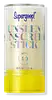
This chemical sunscreen covers most of the UV range, lighter on the deep UVA that drives aging.
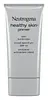
This hybrid sunscreen covers the full UV range and blocks ~93% of UVB at SPF 15, below the SPF 30 recommended for daily use.

What's inside
What's inside
 Key Ingredients
Benefits
Concerns
Ingredients Side-by-side
Butyl Methoxydibenzoylmethane 3%
UV Absorber
Homosalate 6%
Skin Conditioning
Ethylhexyl Salicylate 5%
UV Absorber
Octocrylene 9%
UV Absorber

Isododecane
EmollientOctyldodecanol
Emollient
Polymethylsilsesquioxane

Dicaprylyl Carbonate
EmollientCaprylic/Capric Triglyceride
Masking


Diisopropyl Adipate
EmollientSilica
Abrasive


Butyloctyl Salicylate
Skin Conditioning
C12-15 Alkyl Benzoate
AntimicrobialIsohexadecane
EmollientDimethicone Crosspolymer
Emulsion Stabilising
Dibutyl Lauroyl Glutamide
Skin ConditioningSilica Silylate
Emollient
Dibutyl Ethylhexanoyl Glutamide
Skin ConditioningEthylcellulose
Caprylyl Glycol
Emollient
Diethylhexyl Syringylidenemalonate
Skin Protecting
Himanthalia Elongata Extract
Skin Protecting

Meadowfoam Estolide
Skin ConditioningTocopherol
Antioxidant




Butyl Methoxydibenzoylmethane 3%, Homosalate 6%, Ethylhexyl Salicylate 5%, Octocrylene 9%, Isododecane, Octyldodecanol, Polymethylsilsesquioxane, Dicaprylyl Carbonate, Caprylic/Capric Triglyceride, Diisopropyl Adipate, Silica, Butyloctyl Salicylate, C12-15 Alkyl Benzoate, Isohexadecane, Dimethicone Crosspolymer, Dibutyl Lauroyl Glutamide, Silica Silylate, Dibutyl Ethylhexanoyl Glutamide, Ethylcellulose, Caprylyl Glycol, Diethylhexyl Syringylidenemalonate, Himanthalia Elongata Extract, Meadowfoam Estolide, Tocopherol
Butyl Methoxydibenzoylmethane 2%
UV Absorber
Homosalate 3%
Skin Conditioning
Ethylhexyl Methoxycinnamate 4%
UV Absorber
Water
Skin ConditioningDimethicone
Emollient
C12-15 Alkyl Benzoate
AntimicrobialIsododecane
EmollientMethyl Trimethicone
Skin Conditioning
Lauryl PEG-9 Polydimethylsiloxyethyl Dimethicone
Skin Conditioning
Silica
Abrasive
Butylene Glycol
Humectant
PEG-9 Polydimethylsiloxyethyl Dimethicone
Emulsifying
Synthetic Fluorphlogopite
Sodium Chloride
MaskingNylon-12
Phenoxyethanol
Preservative
Quaternium-90 Bentonite
Dimethicone Crosspolymer
Emulsion Stabilising
Caprylyl Glycol
Emollient
Glycine Soja Seed Extract
Skin Conditioning
Tocopherol
Antioxidant
Propylene Carbonate
SolventDimethicone/Vinyl Dimethicone Crosspolymer
Skin Conditioning
Disodium EDTA
ChelatingSorbic Acid
Preservative
Chrysanthemum Parthenium Flower/Leaf/Stem Juice
Antioxidant
Titanium Dioxide
Cosmetic Colorant
Mica
Cosmetic ColorantCI 77163
Cosmetic Colorant
Iron Oxides
Tin Oxide
Abrasive
Butyl Methoxydibenzoylmethane 2%, Homosalate 3%, Ethylhexyl Methoxycinnamate 4%, Water, Dimethicone, C12-15 Alkyl Benzoate, Isododecane, Methyl Trimethicone, Lauryl PEG-9 Polydimethylsiloxyethyl Dimethicone, Silica, Butylene Glycol, PEG-9 Polydimethylsiloxyethyl Dimethicone, Synthetic Fluorphlogopite, Sodium Chloride, Nylon-12, Phenoxyethanol, Quaternium-90 Bentonite, Dimethicone Crosspolymer, Caprylyl Glycol, Glycine Soja Seed Extract, Tocopherol, Propylene Carbonate, Dimethicone/Vinyl Dimethicone Crosspolymer, Disodium EDTA, Sorbic Acid, Chrysanthemum Parthenium Flower/Leaf/Stem Juice, Titanium Dioxide, Mica, CI 77163, Iron Oxides, Tin Oxide
Reviews
Ingredients Explained
These ingredients are found in both products.
Ingredients higher up in an ingredient list are typically present in a larger amount.
Also known as Avobenzone, this ingredient is an oil-soluble used to absorb the full spectrum of UVA rays (peak 357 nm).
It's one of the most effective UVA filters available but has a major caveat of photostability: avobenzone is susceptible to photodegradation.
This means it can lose efficacy when exposed to sunlight without the help of a stabilizing agent.
Studies show antioxidants (like vitamin E or vitamin C) and some UV filters (like octocrylene and Tinosorb S) can meaningfully improve its stability in a formulation.
The maximum allowable concentration according to regulation is 3% in the US + Canada, and 5% in the EU, Australia, China, Korea, and ASEAN countries.
It has a well-support safety profile: a comprehensive 2025 review found minimal toxicity with no evidence of carcinogenicity.
Overall, avobenzone is a safe and regulated ingredient used in sunscreen for over 40 years.
Learn more about Butyl MethoxydibenzoylmethaneC12-15 Alkyl Benzoate is a lightweight emollient made by combinig benzoic acid with fatty alcohols that are 12-15 carbons long.
In cosmetics, it plays several roles:
The Cosmetic Review Expert Panel has concluded the alkyl benzoate group to be safe as used in cosmetics; it wasn't found to be a skin irritant and unlikely to be absorbed due to its low water solubility.
This report recorded almost 1000 reported uses with concentrations up to 59% in leave-on products but your cosmetics will typically use 0.5-15% depending on the product.
It's often called a "SPF booster": this is because it keeps UV filters properly dissolved and evenly distributed to support a sunscreen's performance. It doesn't actually raise SPF on its own.
Overall, this ingredient is well tolerated.
This ingredient is fungal acne safe because it is an ester of benzoic acid.
Think of this ingredient as two parts stuck together: an oily part and an acid part. Malassezia only gets a meal when it can snip off a fatty acid to eat. With C12-15 Alkyl Benzoate, the acid part is benzoic acid, which isn't a fatty acid and which the yeast can't use as food.
Benzoic acid is actually used as a preservative to stop yeast from growing.
The oily part is a blend of C12-15 fatty alcohols but fatty alcohols in this size range can support only a little Malassezia growth (mostly for one species of Malassezia as well).
In the ingredient, those alcohols stay locked inside the molecule. The yeast can only reach them by snipping the benzoate bond, and that type of bond is harder for it to cut than a normal fatty bond.
So not much gets released. And whatever does get snipped comes packaged with benzoic acid, which discourages yeast growth.
Learn more about C12-15 Alkyl BenzoateCaprylyl Glycol is a humectant, skin conditioner, emollient, and preservative booster derived from either caprylic acid or synthetically created.
Typical use levels vary from 0.3-1% as a preservative booster and go up to 2% to condition skin.
Because it is not a free-fatty acid, this ingredient is fungal acne safe (there's nothing for Malassezia to feed on).
Learn more about Caprylyl GlycolDimethicone Crosspolymer is a silicone created by modifying dimethicone with hydrocarbon side chains. Due to its large size, it does not penetrate skin. It is considered non-occlusive.
Dimethicone Crosspolymer is used to stabilize and thicken products. It also helps give products a silky feel.
Homosalate is an oil-soluble organic UVB filter that has been a sunscreen staple for decades. Its job is to absorb UVB rays (~295-315 nm) and protect your skin against sunburn,
This is one of the more photostable organic UV filters; it holds up pretty well under UV and a 2022 quantum-chemistry study found it stays stable in sunlight.
It's actually so reliable that formulators often pair it with shakier ingredients like oxybenzone and avobenzone. Formulators also use it to help dissolve the other UV filters into the oil phase.
One thing to keep in mind: "stable" isn't the same as "strong". On its own, homosalate is actually a pretty weak UV filter so it's better off as a helpful team player that helps boost overall SPF protection.
The safety picture is a bit nuanced but not scary.
This ingredient has a long track record of being gentle and regulators agree it isn't an irritant; EU's Scientific Committee on Consumer Safety found that homosalate is not considered a skin irritant and doesn't raise eye-irritation flags either.
There's talk about homosalate because your skin absorbs a little bit of it into your bloodstream. A 2020 FDA-backed study found homosalate showed up in people's blood levels at the level where the FDA decides to double check.
The EU's Scientific Committee on Consumer Safety (SCCS) also found small amounts in blood and breast milk. They estimated that about 5% of what you apply gets absorbed through the skin.
Due to the debate about whether it might mess with hormones, the SCCS recommended a maximum limit of 0.5% in most products of 7.3% in face creams/pump sprays.
One important thing to keep in mind: in the US, Homosalate is currently labeled "non-GRASE" by the FDA. This sounds alarming but really just means the FDA wants more data to confirm it's safe. It's not confidently saying this ingredient is harmful.
As of now, homosalate is still completely legal and widely used while that research gets done.
The current maximum limits are:
Learn more about HomosalateIsododecane is a fragrance, emollient, and solvent.
As an emollient, it helps your skin stay soft and hydrated. Emollients help trap moisture into your skin.
Isododecane's role as a solvent makes it a great texture enhancer. It spreads smoothly on skin and does not leave a sticky feeling behind. Isododecane also helps prevent color transfer in makeup products.
Isododecane is not absorbed into skin.
The chemical name for this ingredient is 2,2,4,6,6-PENTAMETHYLHEPTANE.
Learn more about IsododecaneSilica, also known as silicon dioxide, is a naturally occurring mineral. It is used as a fine, spherical, and porous powder in cosmetics.
Though it has exfoliant properties, the function of silica varies depending on the product.
The unique structure of silica enhances the spreadability and adds smoothness, making it a great texture enhancer.
It is also used as an active carrier, emulsifier, and mattifier due to its ability to absorb excess oil.
In some products, tiny microneedles called spicules are made from silica or hydrolyzed sponge. When you rub them in, they lightly polish away dead skin layers and enhance the penetration of active ingredients.
Learn more about SilicaTocopherol is a fat-soluble antioxidant known as Vitamin E.
You'll find this ingredient in the vast majority of skincare (for good reason). It works to neutralize free radicals, or unstable molecules generated by UV exposure, pollution, and other environmental stressors, before they can cause oxidative damage to your skin cells.
Topically applied tocopherol has been shown to protect against UV damage by ramping up the skin's own natural defense enzymes.
It also acts as a skin conditioning agent; some studies show that regular topical use can improve the skin's water-binding capacity over 2-4 weeks.
This ingredient is especially loved for being a team player. When combined with Vitamin C, the photoprotective effect of both ingredients roughly doubles and the combo also helps reduce UV-induced DNA damage.
This ingredient has some brightening potential but it's more of a prevention ingredient than spot-fader. Cell studies show it can slow down melanin production but it's worth noting that it's not the most powerful brightener out there.
In formulations, it also serves as a stabilizer that helps protect other oxidation-prone ingredients from degrading.
Concentrations usually range from 0.1-1% in most leave-on products.
Learn more about Tocopherol

