


What's inside
What's inside
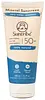 Key Ingredients
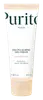
Benefits
Concerns
No concerns
Ingredients Side-by-side
Caprylic/Capric Triglyceride
Masking


Titanium Dioxide
Cosmetic Colorant

Pongamia Glabra Seed Oil
Skin Conditioning


Aloe Barbadensis Leaf Water
MaskingZinc Oxide
Cosmetic Colorant
Polyglyceryl-2 Dipolyhydroxystearate
Skin Conditioning
Polyglyceryl-3 Diisostearate
Emulsifying


Butyrospermum Parkii Butter
Skin Conditioning
Isoamyl Laurate
Emollient
Cocos Nucifera Oil
Masking
Alumina
Abrasive
Stearic Acid
Cleansing
Glycerin
Humectant
Glyceryl Oleate
Emollient
Oenothera Biennis Oil
Emollient

Olea Europaea Fruit Oil
Masking
Oryza Sativa Bran Oil
Emollient
Magnesium Sulfate
Polyhydroxystearic Acid
Emulsifying
Dipotassium Glycyrrhizate
Humectant
Glyceryl Caprylate
EmollientLevulinic Acid
Perfuming
Helianthus Annuus Seed Oil
Emollient
Sodium Levulinate
Skin ConditioningTocopherol
Antioxidant




Bisabolol
Antioxidant
Caprylic/Capric Triglyceride, Titanium Dioxide, Pongamia Glabra Seed Oil, Aloe Barbadensis Leaf Water, Zinc Oxide, Polyglyceryl-2 Dipolyhydroxystearate, Polyglyceryl-3 Diisostearate, Butyrospermum Parkii Butter, Isoamyl Laurate, Cocos Nucifera Oil, Alumina, Stearic Acid, Glycerin, Glyceryl Oleate, Oenothera Biennis Oil, Olea Europaea Fruit Oil, Oryza Sativa Bran Oil, Magnesium Sulfate, Polyhydroxystearic Acid, Dipotassium Glycyrrhizate, Glyceryl Caprylate, Levulinic Acid, Helianthus Annuus Seed Oil, Sodium Levulinate, Tocopherol, Bisabolol
Avena Sativa Seed Water 77%
Solvent
Butylene Glycol
Humectant
Glycerin
Humectant
2,3-Butanediol
Humectant1,2-Hexanediol
Skin Conditioning
Water
Skin ConditioningAmmonium Acryloyldimethyltaurate/Vp Copolymer
Squalane
Emollient
Hydroxyacetophenone
Antioxidant
Carbomer
Emulsion StabilisingDipotassium Glycyrrhizate
Humectant
Panthenol
Skin Conditioning
Tromethamine
BufferingEthylhexylglycerin
Skin ConditioningInulin Lauryl Carbamate
Emulsion StabilisingSodium Surfactin
CleansingBeta-Glucan
Skin Conditioning
Avena Sativa Seed Water 77%, Butylene Glycol, Glycerin, 2,3-Butanediol, 1,2-Hexanediol, Water, Ammonium Acryloyldimethyltaurate/Vp Copolymer, Squalane, Hydroxyacetophenone, Carbomer, Dipotassium Glycyrrhizate, Panthenol, Tromethamine, Ethylhexylglycerin, Inulin Lauryl Carbamate, Sodium Surfactin, Beta-Glucan
Reviews
Ingredients Explained
These ingredients are found in both products.
Ingredients higher up in an ingredient list are typically present in a larger amount.
Dipotassium Glycyrrhizate comes from licorice root.
Extracts of licorice have demonstrated to have antibacterial, anti‐inflammatory, antiviral, antioxidant properties.
One component, glabridin, has extra potent antioxidant and soothing properties. It has also been found to block pigmentation from UVB rays in guinea pigs.
Licorice Root also contains a flavonoid. Flavonoids are a natural substance from in plants. Flavonoids also have antioxidant properties.
Another component, glycyrrhizin, has been found to have anti-inflammatory and antimicrobial benefits. This may make licorice root extract effective at treating acne. However, more research is needed to support this.
Liquiritin is one of the flavone compounds found in licorice. It has been found to help lighten skin by preventing tyrosinase from reacting with tyrosine. When the two react, protein is converted to melanin. Melanin is the substance in your body that gives your features pigmentation.
Licorice root is native to Southern Europe and Asia. It has been used in traditional Chinese medicine to help with respiratory issues.
Learn more about Dipotassium GlycyrrhizateGlycerin (or glycerol) is a compound naturally found in your skin. It's a powerhouse humectant that pulls water into the stratum corneum.
Topically, glycerin does several things at once:
Your skin makes glycerin on its own (mostly from sebaceous oil breakdown) and shuttles it to your outermost layer of skin, or your epidermis, via aquaporin-3.
Aquaporin-3 is a transporter that is essential for normal skin hydration, elasticity, and repair. Interestingly, mice lacking in AQP3 have dry and less elastic skin that can be fully corrected with glycerin.
This ingredient is non-irritating, plays well with almost every ingredient, and works across all skin types. Typical use is anywhere between 3-10% but can go up to 79% in some leave-on products.
Just know very high concentrations (>40%) can feel tacky in low humidity.
Glycerin is the name for this ingredient in American English. British English uses Glycerol/Glycerine.
Learn more about Glycerin

