
What's inside
What's inside
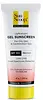 Key Ingredients
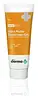
Benefits
Concerns
Ingredients Side-by-side
Oryza Sativa Bran Water
Masking
Dibutyl Adipate
EmollientCaprylyl Methicone
Skin Conditioning
Diethylamino Hydroxybenzoyl Hexyl Benzoate
UV Filter
Ethylhexyl Triazone
UV Absorber
Sargassum Fluitans / Natans Extract
Butyloctyl Salicylate
Skin Conditioning
Bis-Ethylhexyloxyphenol Methoxyphenyl Triazine
Skin Conditioning
Dimethicone
Emollient
Microcrystalline Cellulose
AbsorbentNiacinamide
Smoothing










Silica
Abrasive
Ceramide NP
Skin Conditioning

Ceramide As
Skin Conditioning
Ceramide EOP
Skin Conditioning
Ceramide Ns
Skin Conditioning
Ceramide Ng
Skin Conditioning
Methylene Bis-Benzotriazolyl Tetramethylbutylphenol
UV Filter
Hydroxyethyl Acrylate/Sodium Acryloyldimethyl Taurate Copolymer
Emulsion StabilisingAmmonium Acryloyldimethyltaurate/Beheneth-25 Methacrylate Crosspolymer
Emulsion StabilisingCucumis Sativus Fruit Extract
Emollient
Sodium Polyacrylate
Absorbent
Vp/Acrylates/Lauryl Methacrylate Copolymer
Xanthan Gum
EmulsifyingDecyl Glucoside
Cleansing
Tocopheryl Acetate
Antioxidant

Pentylene Glycol
Skin Conditioning
Propylene Glycol
Humectant

Propanediol
Solvent
1,2-Hexanediol
Skin Conditioning
Hexyldecanol
Emollient
Hydroxypropyl Cyclodextrin
MaskingPhenoxyethanol
Preservative
Sodium Gluconate
Skin ConditioningOryza Sativa Bran Water, Dibutyl Adipate, Caprylyl Methicone, Diethylamino Hydroxybenzoyl Hexyl Benzoate, Ethylhexyl Triazone, Sargassum Fluitans / Natans Extract, Butyloctyl Salicylate, Bis-Ethylhexyloxyphenol Methoxyphenyl Triazine, Dimethicone, Microcrystalline Cellulose, Niacinamide, Silica, Ceramide NP, Ceramide As, Ceramide EOP, Ceramide Ns, Ceramide Ng, Methylene Bis-Benzotriazolyl Tetramethylbutylphenol, Hydroxyethyl Acrylate/Sodium Acryloyldimethyl Taurate Copolymer, Ammonium Acryloyldimethyltaurate/Beheneth-25 Methacrylate Crosspolymer, Cucumis Sativus Fruit Extract, Sodium Polyacrylate, Vp/Acrylates/Lauryl Methacrylate Copolymer, Xanthan Gum, Decyl Glucoside, Tocopheryl Acetate, Pentylene Glycol, Propylene Glycol, Propanediol, 1,2-Hexanediol, Hexyldecanol, Hydroxypropyl Cyclodextrin, Phenoxyethanol, Sodium Gluconate
Vinyldimethicone
C12-15 Alkyl Benzoate
AntimicrobialPEG-12 Dimethicone/PPG-20 Crosspolymer
Ethylhexyl Methoxycinnamate
UV Absorber
Diethylhexyl Butamido Triazone
UV Absorber
Diethylamino Hydroxybenzoyl Hexyl Benzoate
UV Filter
Zinc Oxide
Cosmetic Colorant
Titanium Dioxide
Cosmetic Colorant
Alumina
Abrasive
Simethicone
Emollient
Polysilicone-11
Caprylyl Methicone
Skin Conditioning
Bis-Ethylhexyloxyphenol Methoxyphenyl Triazine
Skin Conditioning
Diethylhexyl Syringylidenemalonate
Skin ProtectingCaprylic/Capric/Lauric Triglyceride
Skin ConditioningVinyldimethicone, C12-15 Alkyl Benzoate, PEG-12 Dimethicone/PPG-20 Crosspolymer, Ethylhexyl Methoxycinnamate, Diethylhexyl Butamido Triazone, Diethylamino Hydroxybenzoyl Hexyl Benzoate, Zinc Oxide, Titanium Dioxide, Alumina, Simethicone, Polysilicone-11, Caprylyl Methicone, Bis-Ethylhexyloxyphenol Methoxyphenyl Triazine, Diethylhexyl Syringylidenemalonate, Caprylic/Capric/Lauric Triglyceride
Reviews
Ingredients Explained
These ingredients are found in both products.
Ingredients higher up in an ingredient list are typically present in a larger amount.
This ingredient is better known as bemotrizinol or Tinosorb S and is one of the best broad-spectrum UV filters in modern sunscreen.
It works by absorbing UV light across a whole range (280-400 nm) with peaks around 310 nm (UVB) and 340-345 nm (UVA). This means it covers UVB plus the deeper UVA wavelengths that drive photoaging and pigmentation.
Another pro?
It's exceptionally photostable, barely degrades in sunlight, and acts as a "bodyguard" for less stable filters.
That's why you'll see it paired with avobenzone or octinoxate; this team up ensures they keep working through sun exposure.
Safety reviews have been reassuring across the board. This ingredient shows low absorption through the skin, rarely irritates, and lab studies found it doesn't act like a hormone in the body (a concern that's been raised about some older sunscreen filters).
On maximum concentrations:
In 2026, the US F.D.A finally added it as an OTC sunscreen ingredient at concentrations up to 6% for adults / children 6 months and older
Learn more about Bis-Ethylhexyloxyphenol Methoxyphenyl TriazineCaprylyl Methicone is a synthetic and lightweight silicone fluid. It gives products a silky, dry-touch finish without the heaviness of pure oils.
Though the EU CosIng Database lists this ingredient as a skin conditioner, it is also used for sensory reasons. It spreads easily, cuts greasiness, and reduces tackiness.
This ingredient is volatile which means it will mostly evaporate (but it evaporates slower than older cyclomethicones, like Cyclotetrasiloxane).
Typical concentration ranges from 1-30% depending on if it's being used to tweak the feel of a product or acting as the main emollient.
Learn more about Caprylyl MethiconeDiethylamino Hydroxybenzoyl Hexyl Benzoate (DHHB) is a chemical UV-A absorber. It is formulated for high UVA protection (320-400 nm).
DHHB is well-liked for:
DHHB has been approved by the EU, Japan, Taiwan, and South America for use up to 10%. Unfortunately, it has not been approved for use in the US or Canada due to slow regulatory processes.
This ingredient is soluble in oils, fats, and lipids.
Learn more about Diethylamino Hydroxybenzoyl Hexyl Benzoate

