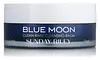
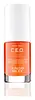
Sunday Riley Blue Moon Clean Rinse Cleansing Balm Versus Sunday Riley C.E.O. 15% Vitamin C Brightening Serum
This oil-based makeup remover is made to dissolve makeup, sunscreen, and daily buildup.
This brightening serum is formulated around Tetrahexyldecyl Ascorbate and Glycolic Acid to brighten dull-looking skin and refine skin texture.

What's inside
What's inside
 Key Ingredients
Benefits
Concerns
Ingredients Side-by-side
Caprylic/Capric Triglyceride
Masking


Sucrose Laurate
Emollient

Jojoba Esters
Emollient
Acacia Decurrens Flower Wax
Emollient
Glycerin
Humectant
Helianthus Annuus Seed Wax
Skin Conditioning
Polyglycerin-3
Humectant
Glyceryl Behenate
Emollient
C10-18 Triglycerides
Emollient
Theobroma Cacao Seed Butter
Emollient


PEG-8 Beeswax
Emulsifying
Cetyl Alcohol
Emollient
Ceteth-20
CleansingSteareth-20
CleansingPolyglyceryl-6 Oleate
Emulsifying
Polyglyceryl-3 Beeswax
Emulsifying
Squalene
Emollient
Citrus Tangerina Peel
Abrasive
Citrus Sinensis Peel Oil Expressed
Perfuming



Tanacetum Annuum Flower/Leaf/Stem Oil
Masking
Chamomilla Recutita Flower Oil
Masking

Vanilla Planifolia Fruit Extract
Skin Conditioning
Cananga Odorata Flower Oil
Masking
Citrus Aurantium Amara Peel
Skin ConditioningCitrus Aurantium Amara Flower Oil
Masking
Anthemis Nobilis Flower Oil
Masking
Phenoxyethanol
Preservative
Moringa Oil/Hydrogenated Moringa Oil Esters
Skin Conditioning
Chlorphenesin
Antimicrobial
Caprylyl Glycol
Emollient
Caprylic/Capric Triglyceride, Sucrose Laurate, Jojoba Esters, Acacia Decurrens Flower Wax, Glycerin, Helianthus Annuus Seed Wax, Polyglycerin-3, Glyceryl Behenate, C10-18 Triglycerides, Theobroma Cacao Seed Butter, PEG-8 Beeswax, Cetyl Alcohol, Ceteth-20, Steareth-20, Polyglyceryl-6 Oleate, Polyglyceryl-3 Beeswax, Squalene, Citrus Tangerina Peel, Citrus Sinensis Peel Oil Expressed, Tanacetum Annuum Flower/Leaf/Stem Oil, Chamomilla Recutita Flower Oil, Vanilla Planifolia Fruit Extract, Cananga Odorata Flower Oil, Citrus Aurantium Amara Peel, Citrus Aurantium Amara Flower Oil, Anthemis Nobilis Flower Oil, Phenoxyethanol, Moringa Oil/Hydrogenated Moringa Oil Esters, Chlorphenesin, Caprylyl Glycol
Water
Skin ConditioningTetrahexyldecyl Ascorbate
Antioxidant




Squalane
Emollient
Polyglyceryl-6 Distearate
Emulsifying
PEG-8 Beeswax
Emulsifying
PPG-12/Smdi Copolymer
EmollientGlycine Soja Sterols
Emollient
Sodium Phytate
ChelatingTocopherol
Antioxidant

Acetamidoethoxyethanol
Humectant
Hydroxyethyl Acrylate/Sodium Acryloyldimethyl Taurate Copolymer
Emulsion StabilisingSodium Acrylate/Sodium Acryloyldimethyl Taurate Copolymer
Emulsion StabilisingJojoba Esters
Emollient
Glycolic Acid
Buffering


Caprylyl Glycol
Emollient
Cetyl Alcohol
Emollient
Polyglyceryl-3 Beeswax
Emulsifying
Chlorphenesin
Antimicrobial
Glycerin
Humectant
Polysorbate 60
Emulsifying
Sorbitan Isostearate
Emulsifying
Saccharide Isomerate
Humectant
Citrus Aurantium Dulcis Peel Oil
Masking
Citrus Tangerina Peel Oil
Masking
Linalool
Perfuming
Limonene
Perfuming
Phenoxyethanol
Preservative
Water, Tetrahexyldecyl Ascorbate, Squalane, Polyglyceryl-6 Distearate, PEG-8 Beeswax, PPG-12/Smdi Copolymer, Glycine Soja Sterols, Sodium Phytate, Tocopherol, Acetamidoethoxyethanol, Hydroxyethyl Acrylate/Sodium Acryloyldimethyl Taurate Copolymer, Sodium Acrylate/Sodium Acryloyldimethyl Taurate Copolymer, Jojoba Esters, Glycolic Acid, Caprylyl Glycol, Cetyl Alcohol, Polyglyceryl-3 Beeswax, Chlorphenesin, Glycerin, Polysorbate 60, Sorbitan Isostearate, Saccharide Isomerate, Citrus Aurantium Dulcis Peel Oil, Citrus Tangerina Peel Oil, Linalool, Limonene, Phenoxyethanol
Reviews
Alternatives
Ingredients Explained
These ingredients are found in both products.
Ingredients higher up in an ingredient list are typically present in a larger amount.
Caprylyl Glycol is a humectant, skin conditioner, emollient, and preservative booster derived from either caprylic acid or synthetically created.
Typical use levels vary from 0.3-1% as a preservative booster and go up to 2% to condition skin.
Because it is not a free-fatty acid, this ingredient is fungal acne safe (there's nothing for Malassezia to feed on).
Learn more about Caprylyl GlycolCetyl Alcohol is a fatty alcohol. Fatty Alcohols are most often used as an emollient or to thicken a product.
Its main roles are:
Though it has "alcohol" in the name, it is not related to denatured alcohol or ethyl alcohol.
The FDA allows products labeled "alcohol-free" to have fatty alcohols.
This ingredient may not be fungal acne safe. It is a primary fatty alcohol with a chain length above 12 carbons. A study from 2019 show Malassezia can feed on fatty alcohols in this range, so it may trigger fungal acne in those prone to it.
Learn more about Cetyl AlcoholChlorphenesin is a synthetic preservative. It helps protect a product against bacteria in order to extend shelf life. In most cases, Chlorphenesin is paired with other preservatives such as phenoxyethanol and caprylyl glycol.
Chlorphenesin is a biocide. This means it is able to help fight the microorganisms on our skin. It is also able to fight odor-releasing bacteria.
Chlorphenesin is soluble in both water and glycerin.
Studies show Chlorphenesin is easily absorbed by our skin. You should speak with a skincare professional if you have concerns about using Chlorphenesin.
Learn more about ChlorphenesinGlycerin (or glycerol) is a compound naturally found in your skin. It's a powerhouse humectant that pulls water into the stratum corneum.
Topically, glycerin does several things at once:
Your skin makes glycerin on its own (mostly from sebaceous oil breakdown) and shuttles it to your outermost layer of skin, or your epidermis, via aquaporin-3.
Aquaporin-3 is a transporter that is essential for normal skin hydration, elasticity, and repair. Interestingly, mice lacking in AQP3 have dry and less elastic skin that can be fully corrected with glycerin.
This ingredient is non-irritating, plays well with almost every ingredient, and works across all skin types. Typical use is anywhere between 3-10% but can go up to 79% in some leave-on products.
Just know very high concentrations (>40%) can feel tacky in low humidity.
Glycerin is the name for this ingredient in American English. British English uses Glycerol/Glycerine.
Learn more about GlycerinJojoba Esters is a wax created from Jojoba oil. It is an emollient and film-forming ingredient. In bead form, it is an exfoliator.
This ingredient has high oxidative stability, meaning it doesn't break down when exposed to oxygen.
Its similarity to our skin's natural oils makes it a great emollient. Emollients help soften and soothe our skin by creating a barrier on top. This barrier helps trap moisture in, keeping skin hydrated.
It is created using either the hydrogenation or transesterification processes on jojoba oil.
Learn more about Jojoba EstersPEG-8 Beeswax isn't fungal acne safe.
Phenoxyethanol is one of the most widely used preservatives in skincare (and for good reason!).
It has a large spectrum of antimicrobial activity and especially effective bacteria, yeast, and mold while only having a weak effect on your skin's natural microbiome.
On a cellular level, it disrupts the cell membranes of microbes by poking holes that make the cell leak. This shuts down the chemical reactions the microbe needs to make energy so it can no longer survive.
Another perk of this ingredient is that it stays functional across a wide pH range (3-10).
You'll often see it paired with boosters like Ethylhexylglycerin; one study showed that a 1:9 ratio of Ethylhexylglycerin to Phenoxyethanol damages bacterial membranes as effectively as doubling the Phenoxyethanol concentration on its own.
Typical use concentrations range from 0.3-1% depending on the formula, and this ingredient is capped at 1% int the EU.
Safety-wise, the fear mongering does not hold up to the evidence. The EU's Scientific Committee on Consumer Safety and FDA consider it safe as a preservative at up to 1%, including for children of all ages.
Adverse systemic effects only showed up in animal studies at exposures roughly 200x higher than what people get from cosmetics. And despite its very widespread use, this ingredient is a rare sensitizer and allergic reactions are uncommon.
Learn more about PhenoxyethanolThis ingredient is a modified version of natural beeswax where the free fatty acids have been swapped for polyglycerol esters to make it more hydrophilic (water-loving).
It mainly works as an emulsifier to help oil and water stay mixed in a formula. You'll also see it in stick formulas because it also thickens and stabilizes oils to prevent the oils from bleeding.
Emulsifiers like this tend to be well tolerated unless you have a known bee-product allergy. Due to this ingredient being an ester of beeswax fatty acids, it may not be fungal acne safe.
Learn more about Polyglyceryl-3 Beeswax

