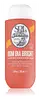
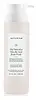
Sol De Janeiro Bom Dia Bright™ Clarifying AHA BHA Body Wash Versus Naturium The Smoother Glycolic Acid Exfoliating Body Wash

What's inside
What's inside
 Key Ingredients
Benefits
Concerns
Ingredients Side-by-side
Water
Skin ConditioningSodium Cocoyl Isethionate
Cleansing
Glycerin
Humectant


Sodium C14-16 Olefin Sulfonate
Cleansing

Cocamide Mipa
Emulsifying
Cocamidopropyl Betaine
Cleansing
Parfum
Masking

Salicylic Acid
Masking







Lactic Acid
Buffering


Salix Alba Bark Extract
Astringent
Carica Papaya Fruit Extract
Skin ConditioningMusa Sapientum Pulp Extract
Skin ConditioningMangifera Indica Pulp Extract
Skin ConditioningSpondias Mombin Pulp Extract
Skin ConditioningCorallina Officinalis Extract
Skin Conditioning
Melia Azadirachta Leaf Extract
Skin ConditioningMelia Azadirachta Flower Extract
Skin ConditioningCoccinia Indica Fruit Extract
Skin Conditioning
Solanum Melongena Fruit Extract
Skin ConditioningAloe Barbadensis Flower Extract
EmollientOcimum Sanctum Leaf Extract
Skin ConditioningCurcuma Longa Root Extract
Masking
Coconut Acid
Cleansing
Sodium Isethionate
CleansingSodium Chloride
MaskingSodium Hydroxide
BufferingDehydroacetic Acid
Preservative
Ethylene Brassylate
MaskingPotassium Sorbate
Preservative
Benzyl Alcohol
Perfuming

Phenoxyethanol
Preservative
Water, Sodium Cocoyl Isethionate, Glycerin, Sodium C14-16 Olefin Sulfonate, Cocamide Mipa, Cocamidopropyl Betaine, Parfum, Salicylic Acid, Lactic Acid, Salix Alba Bark Extract, Carica Papaya Fruit Extract, Musa Sapientum Pulp Extract, Mangifera Indica Pulp Extract, Spondias Mombin Pulp Extract, Corallina Officinalis Extract, Melia Azadirachta Leaf Extract, Melia Azadirachta Flower Extract, Coccinia Indica Fruit Extract, Solanum Melongena Fruit Extract, Aloe Barbadensis Flower Extract, Ocimum Sanctum Leaf Extract, Curcuma Longa Root Extract, Coconut Acid, Sodium Isethionate, Sodium Chloride, Sodium Hydroxide, Dehydroacetic Acid, Ethylene Brassylate, Potassium Sorbate, Benzyl Alcohol, Phenoxyethanol
Water
Skin ConditioningSodium Cocoyl Isethionate
Cleansing
Glycolic Acid
Buffering
Sodium Hydroxide
BufferingSodium Methyl Cocoyl Taurate
Cleansing
Glycol Distearate
Emollient
Lactic Acid
Buffering
Malic Acid
Buffering
Pyruvic Acid
MaskingTartaric Acid
Buffering
Sodium PCA
Humectant
Polyquaternium-73
Cocamide Mipa
Emulsifying
Cocamidopropyl Hydroxysultaine
Cleansing
Chondrus Crispus Extract
Skin Conditioning
Polyquaternium-10
Glycerin
Humectant
Caprylyl Glycol
Emollient
Didecyldimonium Chloride
EmulsifyingMethylpropanediol
SolventPolyquaternium-80
CleansingCitric Acid
Buffering
Tetrasodium Glutamate Diacetate
Sodium Lactate
Buffering
Water, Sodium Cocoyl Isethionate, Glycolic Acid, Sodium Hydroxide, Sodium Methyl Cocoyl Taurate, Glycol Distearate, Lactic Acid, Malic Acid, Pyruvic Acid, Tartaric Acid, Sodium PCA, Polyquaternium-73, Cocamide Mipa, Cocamidopropyl Hydroxysultaine, Chondrus Crispus Extract, Polyquaternium-10, Glycerin, Caprylyl Glycol, Didecyldimonium Chloride, Methylpropanediol, Polyquaternium-80, Citric Acid, Tetrasodium Glutamate Diacetate, Sodium Lactate
Reviews
Ingredients Explained
These ingredients are found in both products.
Ingredients higher up in an ingredient list are typically present in a larger amount.
We don't have a description for Cocamide Mipa yet.
Glycerin (or glycerol) is a compound naturally found in your skin. It's a powerhouse humectant that pulls water into the stratum corneum.
Topically, glycerin does several things at once:
Your skin makes glycerin on its own (mostly from sebaceous oil breakdown) and shuttles it to your outermost layer of skin, or your epidermis, via aquaporin-3.
Aquaporin-3 is a transporter that is essential for normal skin hydration, elasticity, and repair. Interestingly, mice lacking in AQP3 have dry and less elastic skin that can be fully corrected with glycerin.
This ingredient is non-irritating, plays well with almost every ingredient, and works across all skin types. Typical use is anywhere between 3-10% but can go up to 79% in some leave-on products.
Just know very high concentrations (>40%) can feel tacky in low humidity.
Glycerin is the name for this ingredient in American English. British English uses Glycerol/Glycerine.
Learn more about GlycerinLactic Acid is another well-loved alpha hydroxy acid (AHA). It is gentler than glycolic acid but still highly effective.
Its main role is to exfoliate the surface of the skin by loosening the “glue” that holds dead skin cells together. Shedding those old cells leads to smoother, softer, and more even-toned skin.
Because lactic acid molecules are larger than glycolic acid, they don’t penetrate as deeply. This means they’re less likely to sting or irritate, making it a great choice for beginners or those with sensitive skin.
Like glycolic acid, it can:
Lactic acid also acts as a humectant (like hyaluronic acid). It can draw water into the skin to improve hydration and also plays a role in the skin's natural moisturizing factor (NMF) in the form of sodium lactate.
Studies show it can boost ceramide production to strengthen the skin barrier and even help balance the skin’s microbiome.
To get results, choose products with a pH between 3-4.
Lower strengths (5-12%) focus on surface exfoliation; higher strengths (12% and up) can reach deeper in the dermis (deeper, supportive layer) to improve skin texture and firmness over time.
Though it was originally derived from milk, most modern lactic acid used in skincare is vegan. It is made through non-dairy fermentation to create a bio-identical and stable form suitable for all formulations.
When lactic acid shows up near the end of an ingredient list, it usually means the brand added just a tiny amount to adjust the product’s pH.
Legend has it that Cleopatra used to bathe in sour milk to help reduce wrinkles.
Lactic acid is truly a gentle multitasker: it exfoliates, hydrates, strengthens, and brightens. It's a great ingredient for giving your skin a smooth, glowing, and healthy look without the harshness of stronger acids.
Read more about some other popular AHA's here:
Learn more about Lactic AcidSodium cocoyl isethionate is a natural ingredient from coconut oil. It is an ultra gentle cleanser that gives a nice foam without drying the skin or impacting the skin barrier.
The amount of foam created depends on the amount of sodium cocoyl isethionate used in the product.
This ingredient also helps improve the spreadability of a product.
This ingredient hasn’t been shown in studies to feed fungal acne yeast.
Learn more about Sodium Cocoyl IsethionateSodium Hydroxide is also known as lye or caustic soda. It is used to adjust the pH of products; many ingredients require a specific pH to be effective.
In small amounts, sodium hydroxide is considered safe to use. However, large amounts may cause chemical burns due to its high alkaline.
Your skin has a natural pH and acid mantle. This acid mantle helps prevent harmful bacteria from breaking through. The acid mantle also helps keep your skin hydrated.
"Alkaline" refers to a high pH level. A low pH level would be considered acidic.
Learn more about Sodium HydroxideWater. It's the most common cosmetic ingredient of all. You'll usually see it at the top of ingredient lists, meaning that it makes up the largest part of the product.
So why is it so popular? Water most often acts as a solvent - this means that it helps dissolve other ingredients into the formulation.
You'll also recognize water as that liquid we all need to stay alive. If you see this, drink a glass of water. Remember to stay hydrated!
Learn more about Water

