Skintific Lactic Acid Skin Renewal Exfoliating Serum Versus Facetology Triple Care 13,5% Total Acids Purple Ranger Peeling Treatment
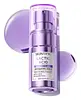
This smoothing serum is formulated around Lactic Acid and Gluconolactone to refine skin texture and brighten dull-looking skin.
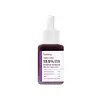
This smoothing treatment is formulated around Glycolic Acid and Gluconolactone to refine skin texture and brighten dull-looking skin.


What's inside
What's inside
 Key Ingredients
Benefits
Concerns
Ingredients Side-by-side
Water
Skin ConditioningGlycerin
Humectant


Lactic Acid
Buffering









Butylene Glycol
Humectant
Gluconolactone
Skin Conditioning

Propylene Glycol
Humectant
Propanediol
Solvent
Sodium Hydroxide
BufferingAlbizia Julibrissin Bark Extract
MaskingSuccinic Acid
BufferingHydrolyzed Collagen
Emollient
Enantia Chlorantha Bark Extract
Skin ConditioningCitrus Paradisi Fruit Extract
Skin ConditioningXanthan Gum
EmulsifyingHydroxyacetophenone
Antioxidant
Salicylic Acid
Masking


Lactobionic Acid
Buffering
Mandelic Acid
Antimicrobial
Hydroxycinnamic Acid
Skin ConditioningRutin
Antioxidant
Glycerophosphoinositol Choline
Skin ProtectingNiacinamide
Smoothing


Alpha-Arbutin
Antioxidant
1,2-Hexanediol
Skin Conditioning
PEG-40 Hydrogenated Castor Oil
Emulsifying

Acrylamide/Sodium Acryloyldimethyltaurate Copolymer
Emulsion StabilisingAmmonium Sulfate
Sodium Sulfate
Citric Acid
Buffering
Amylopectin
Ethylhexylglycerin
Skin ConditioningOleanolic Acid
Skin ConditioningDextrin
AbsorbentPhenoxyethanol
Preservative
Sodium Benzoate
Masking
Aroma


CI 16035
Cosmetic ColorantCI 60730
Cosmetic ColorantWater, Glycerin, Lactic Acid, Butylene Glycol, Gluconolactone, Propylene Glycol, Propanediol, Sodium Hydroxide, Albizia Julibrissin Bark Extract, Succinic Acid, Hydrolyzed Collagen, Enantia Chlorantha Bark Extract, Citrus Paradisi Fruit Extract, Xanthan Gum, Hydroxyacetophenone, Salicylic Acid, Lactobionic Acid, Mandelic Acid, Hydroxycinnamic Acid, Rutin, Glycerophosphoinositol Choline, Niacinamide, Alpha-Arbutin, 1,2-Hexanediol, PEG-40 Hydrogenated Castor Oil, Acrylamide/Sodium Acryloyldimethyltaurate Copolymer, Ammonium Sulfate, Sodium Sulfate, Citric Acid, Amylopectin, Ethylhexylglycerin, Oleanolic Acid, Dextrin, Phenoxyethanol, Sodium Benzoate, Aroma, CI 16035, CI 60730
Water
Skin ConditioningGlycolic Acid
Buffering
Centella Asiatica Extract
Cleansing
Gluconolactone
Skin Conditioning
Glycerin
Humectant
Sodium Hydroxide
BufferingButylene Glycol
Humectant
Panthenol
Skin Conditioning
Salicylic Acid
Masking
Potassium Azeloyl Diglycinate
Skin Conditioning
Tasmannia Lanceolata Fruit/Leaf Extract
Antioxidant
Biosaccharide Gum-1
Humectant
Daucus Carota Sativa Extract
Perfuming
Vaccinium Myrtillus Bud Extract
Antioxidant
Allantoin
Skin Conditioning
Dipotassium Glycyrrhizate
Humectant
Xanthan Gum
EmulsifyingAmylopectin
Dextrin
AbsorbentBenzotriazolyl Dodecyl P-Cresol
UV AbsorberChlorphenesin
Antimicrobial
Tetrasodium EDTA
Maltodextrin
Absorbent
Phenoxyethanol
Preservative
Citric Acid
Buffering
1,2-Hexanediol
Skin Conditioning
Potassium Sorbate
Preservative
Ethylhexylglycerin
Skin ConditioningCI 42090
Cosmetic ColorantWater, Glycolic Acid, Centella Asiatica Extract, Gluconolactone, Glycerin, Sodium Hydroxide, Butylene Glycol, Panthenol, Salicylic Acid, Potassium Azeloyl Diglycinate, Tasmannia Lanceolata Fruit/Leaf Extract, Biosaccharide Gum-1, Daucus Carota Sativa Extract, Vaccinium Myrtillus Bud Extract, Allantoin, Dipotassium Glycyrrhizate, Xanthan Gum, Amylopectin, Dextrin, Benzotriazolyl Dodecyl P-Cresol, Chlorphenesin, Tetrasodium EDTA, Maltodextrin, Phenoxyethanol, Citric Acid, 1,2-Hexanediol, Potassium Sorbate, Ethylhexylglycerin, CI 42090
Reviews
Ingredients Explained
These ingredients are found in both products.
Ingredients higher up in an ingredient list are typically present in a larger amount.
1,2-Hexanediol is a synthetic liquid and another multi-functional powerhouse.
It is a:
- Humectant, drawing moisture into the skin
- Emollient, helping to soften skin
- Solvent, dispersing and stabilizing formulas
- Preservative booster, enhancing the antimicrobial activity of other preservatives
We don't have a description for Amylopectin yet.
Butylene Glycol (or BG) is used within cosmetic products for a few different reasons:
Overall, Butylene Glycol is a safe and well-rounded ingredient that works well with other ingredients.
Though this ingredient works well with most skin types, some people with sensitive skin may experience a reaction such as allergic rashes, closed comedones, or itchiness.
Learn more about Butylene GlycolCitric Acid is an alpha hydroxy acid (AHA) naturally found in citrus fruits like oranges, lemons, and limes.
Like other AHAs, citric acid can exfoliate skin by breaking down the bonds that hold dead skin cells together. This helps reveal smoother and brighter skin underneath.
However, this exfoliating effect only happens at high concentrations (20%) which can be hard to find in cosmetic products.
Due to this, citric acid is usually included in small amounts as a pH adjuster. This helps keep products slightly more acidic and compatible with skin's natural pH.
In skincare formulas, citric acid can:
While it can provide some skin benefits, research shows lactic acid and glycolic acid are generally more effective and less irritating exfoliants.
Most citric acid used in skincare today is made by fermenting sugars (usually from molasses). This synthetic version is identical to the natural citrus form but easier to stabilize and use in formulations.
Read more about some other popular AHA's here:
Learn more about Citric AcidDextrin is a starch-derived polysaccharide. It's made by partially breaking down corn, potato, or other plant starches.
Think of it as "half-processed" starch; it's less complex than the original but not fully broken down into sugar like maltodextrin.
In cosmetics, it mainly functions as a bulking agent, viscosity controller, binder, and absorbent. It helps thicken products, stabilize powders, and get certain textures a less "wet" feel.
This ingredient has a pretty solid safety profile; it's recognized as a safe food additive and its large molecular size means it doesn't meaningfully penetrate skin.
Human repeat insult patch tests using a rinse-off facial product containing 42.69% dextrin found no skin irritation or sensitization in 54 subjects.
Typical real-world usage is much lower: usually under 1% as a texture modifier and up to 40% in masks (rinse off products use less).
Learn more about DextrinEthylhexylglycerin is created from glycerin. It is a multitasker ingredient that:
The CIR Expert Panel found minimal skin absorption or sensitization of any kind in a safety assessment. Though this ingredient is considered well-tolerated, a small number of cases of allergic dermatitis have been published since 2002. Just be sure to patch test if you are unsure.
Industry-reported use ranges from 8% in rinse-off products and 2% in leave-on formulations.
Learn more about EthylhexylglycerinGluconolactone is a PHA. PHAs are a great gentle alternative to traditional AHAs.
When applied, Gluconolactone has the same affect on skin as AHAs such as lactic acid. It helps dissolve the dead skin cells in the top layer of your skin. This improves texture and brightens the skin.
PHAs are more gentle than AHAs due to their larger structure. They do not penetrate as deeply as AHAs and take a longer time to dissolve dead cells. Studies show PHAs do not cause as much irritation.
Gluconolactone has some interesting properties:
In a 2004 study, Gluconolactone was found to prevent UV damage in mouse skin cells and has not been found to increase sun sensitivity. However, we still recommend wearing SPF daily.
This ingredient is is an created by reacting gluconic acid with an alcohol.
Learn more about GluconolactoneGlycerin (or glycerol) is a compound naturally found in your skin. It's a powerhouse humectant that pulls water into the stratum corneum.
Topically, glycerin does several things at once:
Your skin makes glycerin on its own (mostly from sebaceous oil breakdown) and shuttles it to your outermost layer of skin, or your epidermis, via aquaporin-3.
Aquaporin-3 is a transporter that is essential for normal skin hydration, elasticity, and repair. Interestingly, mice lacking in AQP3 have dry and less elastic skin that can be fully corrected with glycerin.
This ingredient is non-irritating, plays well with almost every ingredient, and works across all skin types. Typical use is anywhere between 3-10% but can go up to 79% in some leave-on products.
Just know very high concentrations (>40%) can feel tacky in low humidity.
Glycerin is the name for this ingredient in American English. British English uses Glycerol/Glycerine.
Learn more about GlycerinPhenoxyethanol is one of the most widely used preservatives in skincare (and for good reason!).
It has a large spectrum of antimicrobial activity and especially effective bacteria, yeast, and mold while only having a weak effect on your skin's natural microbiome.
On a cellular level, it disrupts the cell membranes of microbes by poking holes that make the cell leak. This shuts down the chemical reactions the microbe needs to make energy so it can no longer survive.
Another perk of this ingredient is that it stays functional across a wide pH range (3-10).
You'll often see it paired with boosters like Ethylhexylglycerin; one study showed that a 1:9 ratio of Ethylhexylglycerin to Phenoxyethanol damages bacterial membranes as effectively as doubling the Phenoxyethanol concentration on its own.
Typical use concentrations range from 0.3-1% depending on the formula, and this ingredient is capped at 1% int the EU.
Safety-wise, the fear mongering does not hold up to the evidence. The EU's Scientific Committee on Consumer Safety and FDA consider it safe as a preservative at up to 1%, including for children of all ages.
Adverse systemic effects only showed up in animal studies at exposures roughly 200x higher than what people get from cosmetics. And despite its very widespread use, this ingredient is a rare sensitizer and allergic reactions are uncommon.
Learn more about PhenoxyethanolSalicylic Acid (also known as beta hydroxy acid or BHA) is a well-known ingredient for treating skin that struggles with acne and clogged pores. It exfoliates both the skin's surface and deep within the pores to help clear out buildup, control oil, and reduce inflammation.
Unlike AHAs (alpha hydroxy acids), salicylic acid is oil-soluble. This allows it to penetrate into pores which makes it especially effective for treating blackheads and preventing future breakouts.
Salicylic acid is also known for its soothing properties. It has a similar structure to aspirin and can calm inflamed or irritated skin, making it a good option for acne-prone skin that is also sensitive.
Concentrations of 0.5-2% are recognized by the U.S. FDA as an over-the-counter topical acne product.
It can cause irritation and/or dryness if one's skin already has a compromised moisture barrier, so it's best to focus on repairing that before introducing this ingredient into your routine.
While salicylic acid does not increase sun sensitivity, it’s still important to wear sunscreen daily to protect your skin.
If you are looking for the ingredient called BHA or Butylated Hydroxyanisole, click here.
Learn more about Salicylic AcidSodium Hydroxide is also known as lye or caustic soda. It is used to adjust the pH of products; many ingredients require a specific pH to be effective.
In small amounts, sodium hydroxide is considered safe to use. However, large amounts may cause chemical burns due to its high alkaline.
Your skin has a natural pH and acid mantle. This acid mantle helps prevent harmful bacteria from breaking through. The acid mantle also helps keep your skin hydrated.
"Alkaline" refers to a high pH level. A low pH level would be considered acidic.
Learn more about Sodium HydroxideWater. It's the most common cosmetic ingredient of all. You'll usually see it at the top of ingredient lists, meaning that it makes up the largest part of the product.
So why is it so popular? Water most often acts as a solvent - this means that it helps dissolve other ingredients into the formulation.
You'll also recognize water as that liquid we all need to stay alive. If you see this, drink a glass of water. Remember to stay hydrated!
Learn more about WaterXanthan gum is used as a stabilizer and thickener within cosmetic products. It helps give products a sticky, thick feeling - preventing them from being too runny.
On the technical side of things, xanthan gum is a polysaccharide - a combination consisting of multiple sugar molecules bonded together.
Xanthan gum is a pretty common and great ingredient. It is a natural, non-toxic, non-irritating ingredient that is also commonly used in food products.
Learn more about Xanthan Gum

