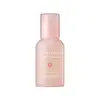
This oil-control essence is formulated around Niacinamide and Zinc PCA to balance excess oil and refine the look of pores.
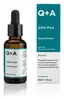
This oil-control serum is formulated around Zinc PCA and Lactic Acid to balance excess oil and refine the look of pores.


What's inside
What's inside
 Key Ingredients
Benefits
Concerns
Ingredients Side-by-side
Water
Skin ConditioningButylene Glycol
Humectant

Glycerin
Humectant
Sodium Acrylates Crosspolymer-2
Absorbent1,2-Hexanediol
Skin Conditioning
Niacinamide
Smoothing









Glycereth-25 PCA Isostearate
Emulsifying

Arginine
Masking
Carbomer
Emulsion StabilisingPanthenol
Skin Conditioning
Ethylhexylglycerin
Skin ConditioningTrisodium Ethylenediamine Disuccinate
ChelatingParfum
Masking



Backhousia Citriodora Leaf Extract
AstringentPrunus Persica Fruit Extract
Abrasive
Castanea Crenata Shell Extract
Skin ConditioningCentella Asiatica Extract
Cleansing
Fragaria Vesca Leaf Extract
AstringentLavandula Angustifolia Flower Extract
Cleansing
Zinc PCA
Humectant
Oenothera Biennis Flower Extract
AstringentPinus Palustris Leaf Extract
TonicPueraria Lobata Root Extract
HumectantUlmus Davidiana Root Extract
Skin Conditioning
Calamine
AbsorbentMentha Suaveolens Leaf Extract
AstringentCamellia Sinensis Leaf Extract
Antimicrobial
Thymus Vulgaris Extract
Perfuming
Water, Butylene Glycol, Glycerin, Sodium Acrylates Crosspolymer-2, 1,2-Hexanediol, Niacinamide, Glycereth-25 PCA Isostearate, Arginine, Carbomer, Panthenol, Ethylhexylglycerin, Trisodium Ethylenediamine Disuccinate, Parfum, Backhousia Citriodora Leaf Extract, Prunus Persica Fruit Extract, Castanea Crenata Shell Extract, Centella Asiatica Extract, Fragaria Vesca Leaf Extract, Lavandula Angustifolia Flower Extract, Zinc PCA, Oenothera Biennis Flower Extract, Pinus Palustris Leaf Extract, Pueraria Lobata Root Extract, Ulmus Davidiana Root Extract, Calamine, Mentha Suaveolens Leaf Extract, Camellia Sinensis Leaf Extract, Thymus Vulgaris Extract
Water
Skin ConditioningPropylene Glycol
Humectant
Lactobacillus/Ganoderma Lucidum Extract/Lentinus Edodes Extract Ferment Filtrate
Skin ConditioningBetaine
Humectant
Pentylene Glycol
Skin Conditioning
Zinc PCA
Humectant
Lactobacillus Ferment
Skin Conditioning
Lonicera Caprifolium Extract
AstringentLonicera Japonica Flower Extract
Skin ConditioningLactic Acid
Buffering
Glyceryl Caprylate
EmollientBiosaccharide Gum-1
Humectant
Collagen
Moisturising
Glycerin
Humectant
Leuconostoc/Radish Root Ferment Filtrate
Antimicrobial
Sodium Levulinate
Skin ConditioningSodium Anisate
AntimicrobialSodium Gluconate
ChelatingXanthan Gum
EmulsifyingWater, Propylene Glycol, Lactobacillus/Ganoderma Lucidum Extract/Lentinus Edodes Extract Ferment Filtrate, Betaine, Pentylene Glycol, Zinc PCA, Lactobacillus Ferment, Lonicera Caprifolium Extract, Lonicera Japonica Flower Extract, Lactic Acid, Glyceryl Caprylate, Biosaccharide Gum-1, Collagen, Glycerin, Leuconostoc/Radish Root Ferment Filtrate, Sodium Levulinate, Sodium Anisate, Sodium Gluconate, Xanthan Gum
Reviews
Ingredients Explained
These ingredients are found in both products.
Ingredients higher up in an ingredient list are typically present in a larger amount.
Glycerin (or glycerol) is a compound naturally found in your skin. It's a powerhouse humectant that pulls water into the stratum corneum.
Topically, glycerin does several things at once:
Your skin makes glycerin on its own (mostly from sebaceous oil breakdown) and shuttles it to your outermost layer of skin, or your epidermis, via aquaporin-3.
Aquaporin-3 is a transporter that is essential for normal skin hydration, elasticity, and repair. Interestingly, mice lacking in AQP3 have dry and less elastic skin that can be fully corrected with glycerin.
This ingredient is non-irritating, plays well with almost every ingredient, and works across all skin types. Typical use is anywhere between 3-10% but can go up to 79% in some leave-on products.
Just know very high concentrations (>40%) can feel tacky in low humidity.
Glycerin is the name for this ingredient in American English. British English uses Glycerol/Glycerine.
Learn more about GlycerinWater. It's the most common cosmetic ingredient of all. You'll usually see it at the top of ingredient lists, meaning that it makes up the largest part of the product.
So why is it so popular? Water most often acts as a solvent - this means that it helps dissolve other ingredients into the formulation.
You'll also recognize water as that liquid we all need to stay alive. If you see this, drink a glass of water. Remember to stay hydrated!
Learn more about WaterZinc PCA is a clever two-in-one molecule: the zinc salt of pyrrolidone carboxylic acid (PCA).
Think of it as two useful things bonded together; the PCA half is one of your skin's own natural moisturizing factors (NMF) so it helps hold water in the upper layers. On the other hand, the zinc half does the heavy lifting on oil and bacteria.
The zinc part slows down an enzyme that turns testosterone into DHT, the hormone that tells your oil glands to pump out more sebum. Less of that signal means less oil. It also gently fights acne-causing bacteria and soothes redness/irritation.
This is why Zinc PCA often shows up in products for oily, breakout-prone skin and greasy scalps.
One lab study also hinted it might have a small anti-aging perk because it seemed to protect collagen from UVA damage and even helped the skin make a bit more of it. That last bit is still early research done in a dish and not real skin, so take it as a nice bonus rather than a promise for now.
As for scar healing, the picture is more "maybe" than a firm yes. Zinc itself plays a real role in wound repair because it is a cofactor for the enzymes involved in collagen building, calming inflammation, and helping new skin cells cover a wound. Lower zinc levels are also linked to slower healing.
Most of the scar healing research is on zinc oxide or oral zinc rather than zinc PCA specifically, with a focus on healing fresh wounds instead of scars that are already there.
Direct evidence that zinc PCA improves the look of established scars is still limited at this time. Though it would be fair to say zinc PCA supports the general skin-repair environment thanks to its zinc content .
This ingredient is water-soluble and plays nicely with other actives like niacinamide and salicylic acid. It works best at mildly acidic formulas (~4-6 pH) and is effective at low levels. Around 0.1% is enough to be active and finished products commonly use it anywhere up to 4%.
Overall, this is a well-tolerated, low-drama multitasker that suits oily and acne-prone skin.
Learn more about Zinc PCA

